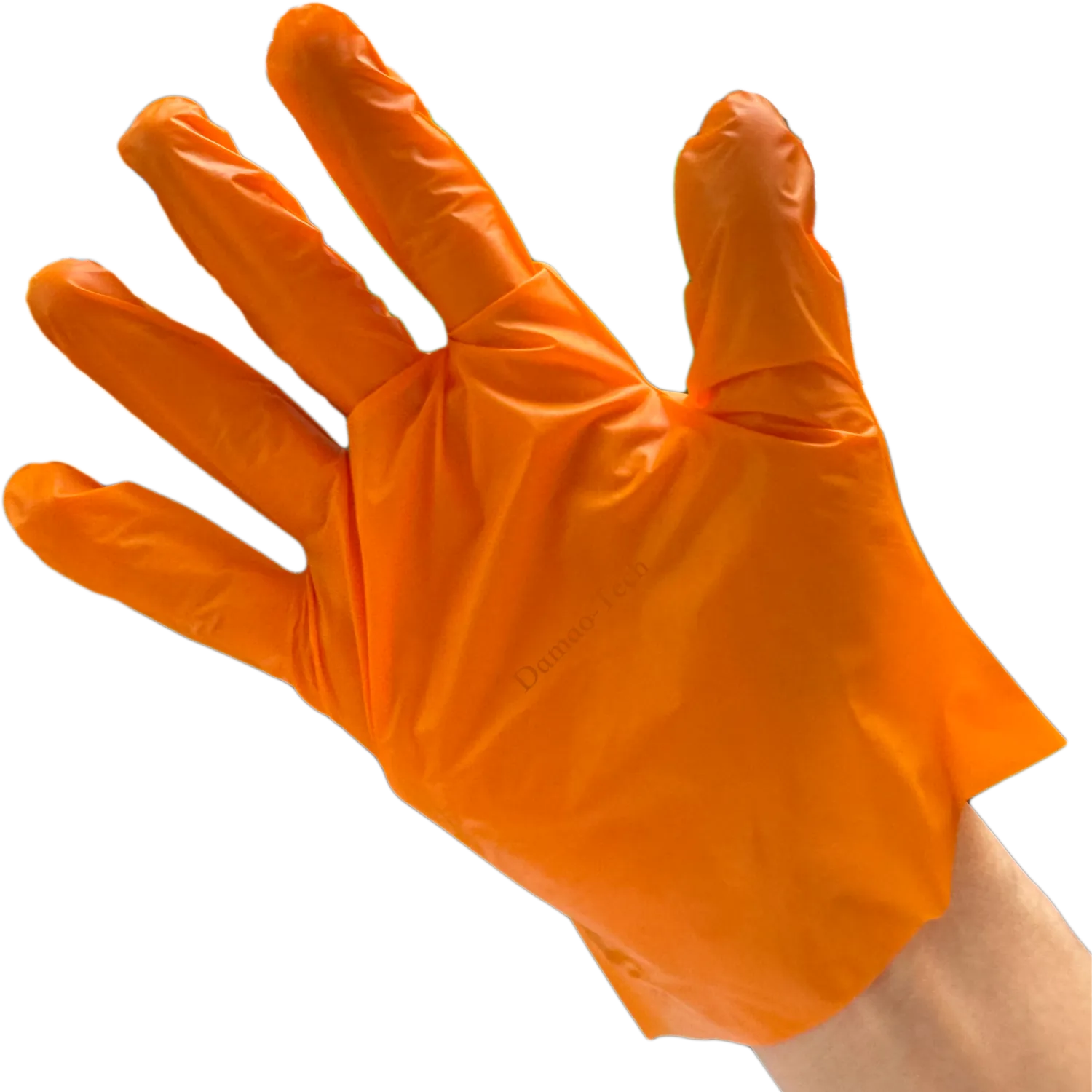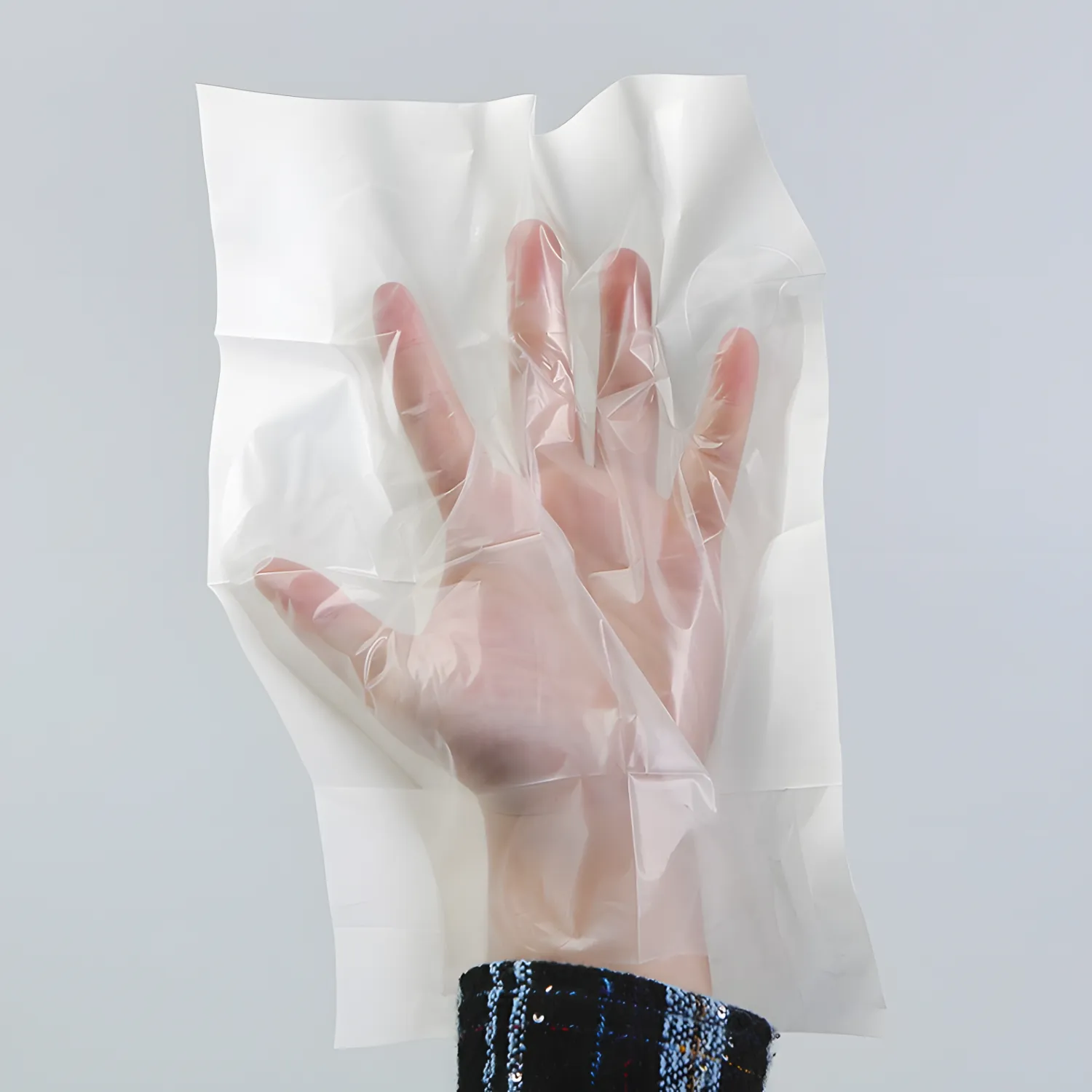
How Are Nitrile Gloves Made? Production Process Guide
How Are Nitrile Gloves Made? Complete Production Guide
Sourcing reliable hand protection requires understanding exactly how safety equipment achieves its protective properties. This guide explains how manufacturers produce disposable nitrile gloves, breaking down the complex dipping and curing processes that grant this material its industry-leading chemical and puncture resistance.
What is Nitrile?
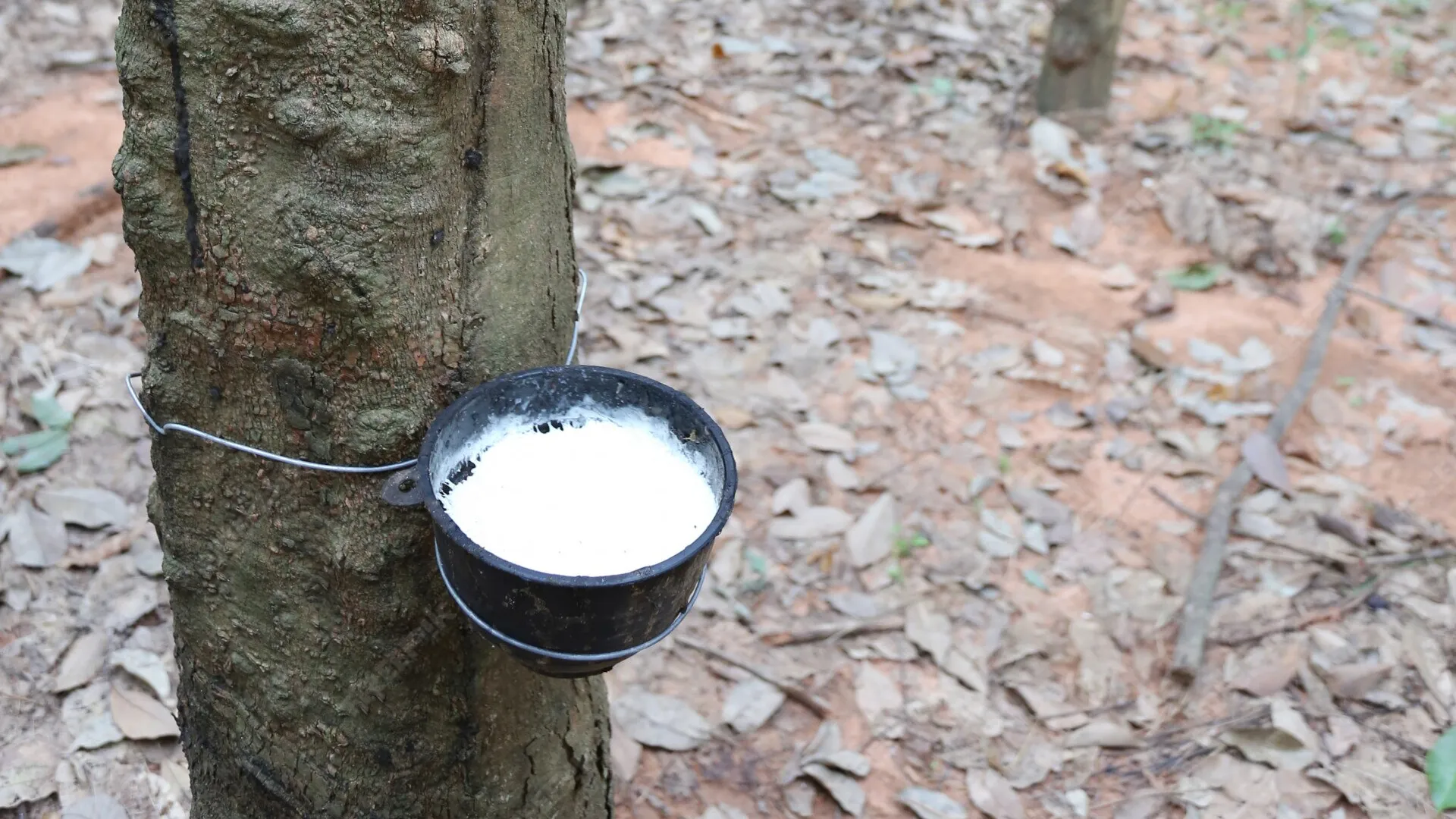
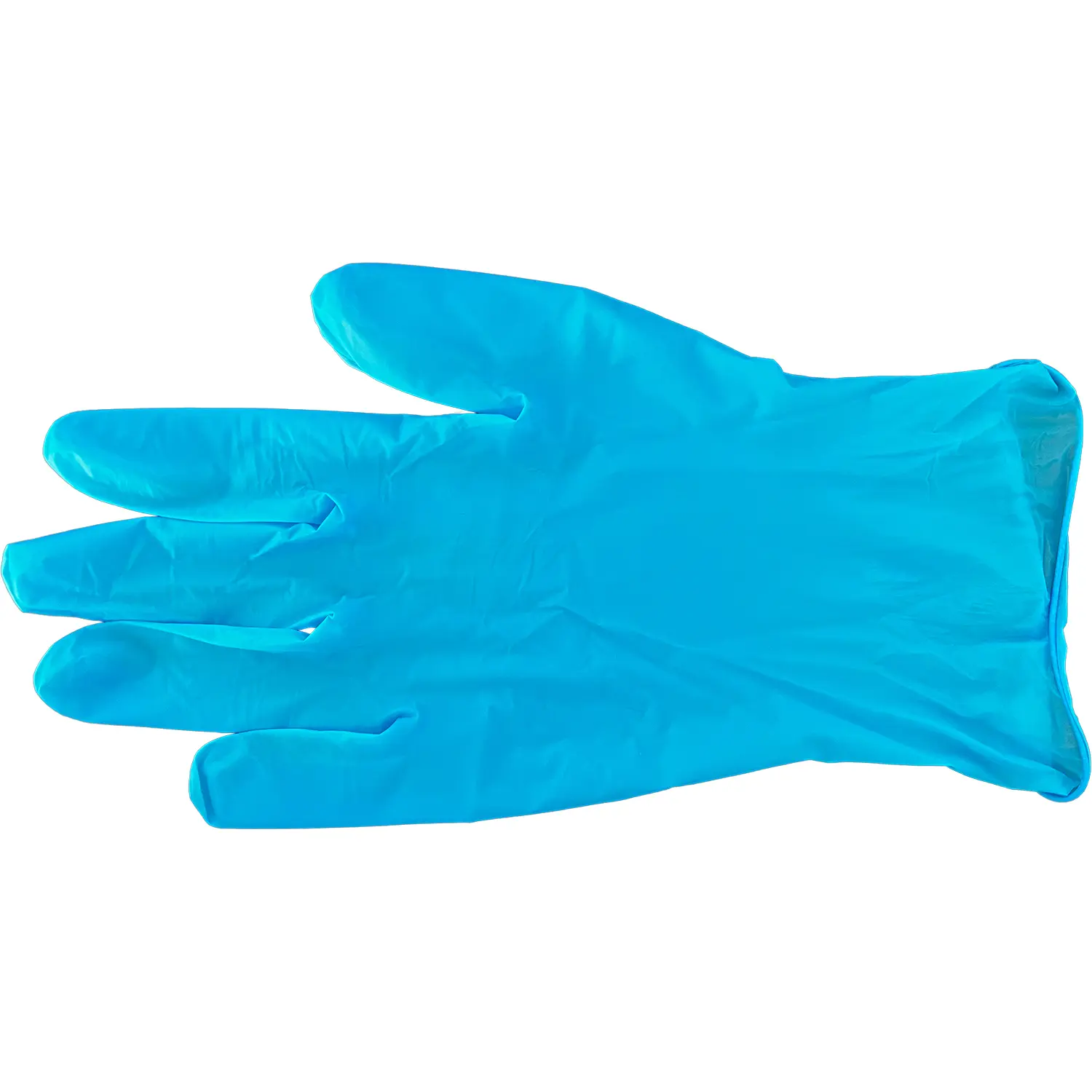
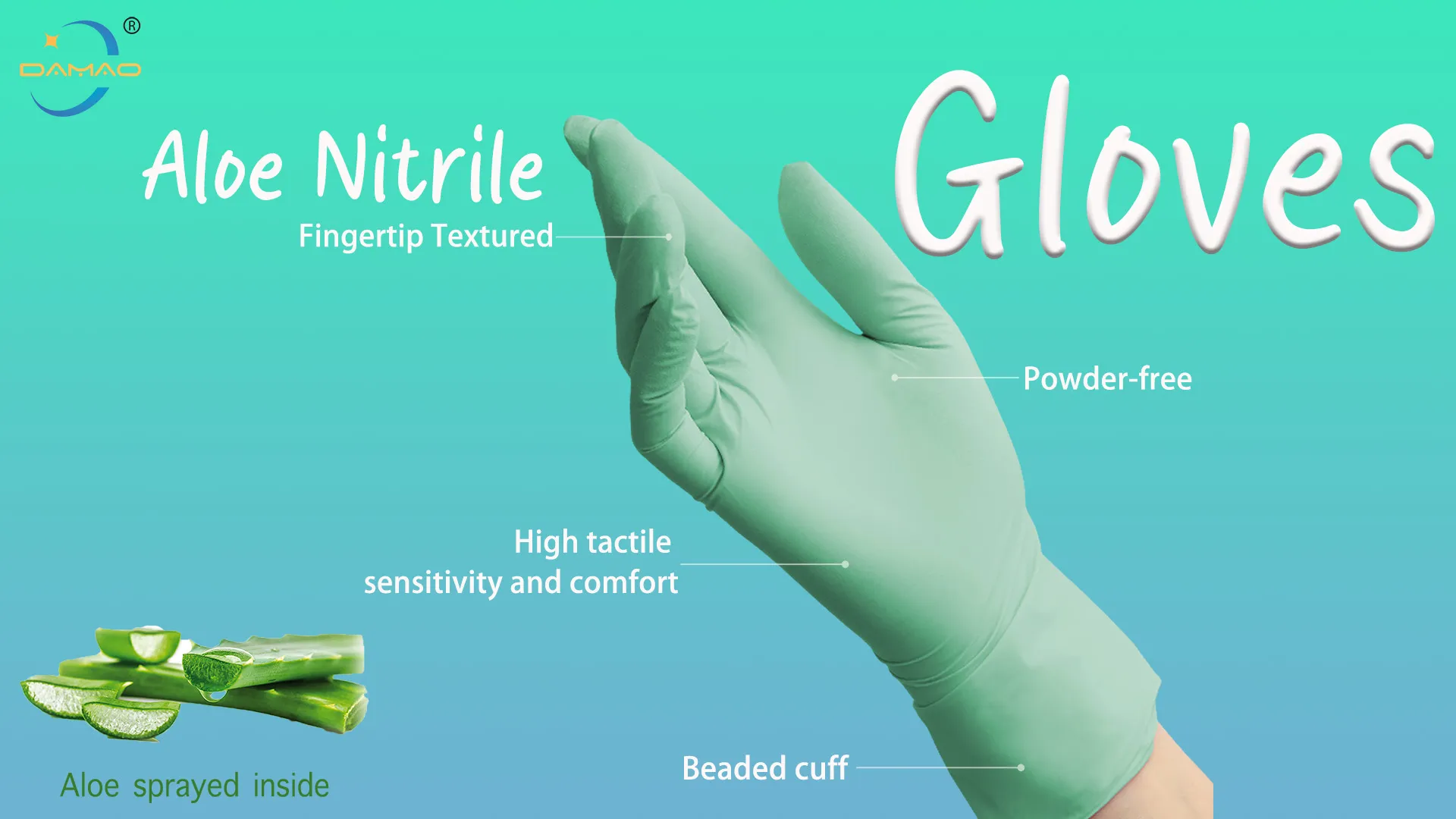
Nitrile is a highly durable synthetic rubber manufactured from nitrile butadiene rubber (NBR). Because it consists entirely of synthesized polymers rather than natural rubber tree sap, nitrile contains zero organic latex proteins. This creates a completely allergy-free material that offers significantly higher resistance to corrosive oils, sudden punctures, and harsh industrial acids compared to standard latex or vinyl options.
The Nitrile Glove Manufacturing Process
Producing medical-grade nitrile gloves requires strict temperature controls and absolute chemical precision. In our manufacturing experience, adhering perfectly to this eight-step continuous dipping process guarantees consistent barrier protection.
1. Raw Material Synthesis
The production begins by creating nitrile butadiene rubber. Chemists polymerize butadiene and acrylonitrile inside controlled thermal environments using specific catalysts. This high-pressure reaction forces the monomer molecules to chain together, forming the highly elastic synthetic base rubber used for the physical glove.
2. Former Cleaning and Preparation
Manufacturers use ceramic or solid aluminum hand molds, technically known as formers. High-pressure spray jets thoroughly clean these formers using bleach, water, and dilute acid solutions to strip away any residue left from previous production cycles. A pristine former ensures the liquid nitrile adheres evenly without forming dangerous microscopic pinholes.
3. Coagulant Dipping
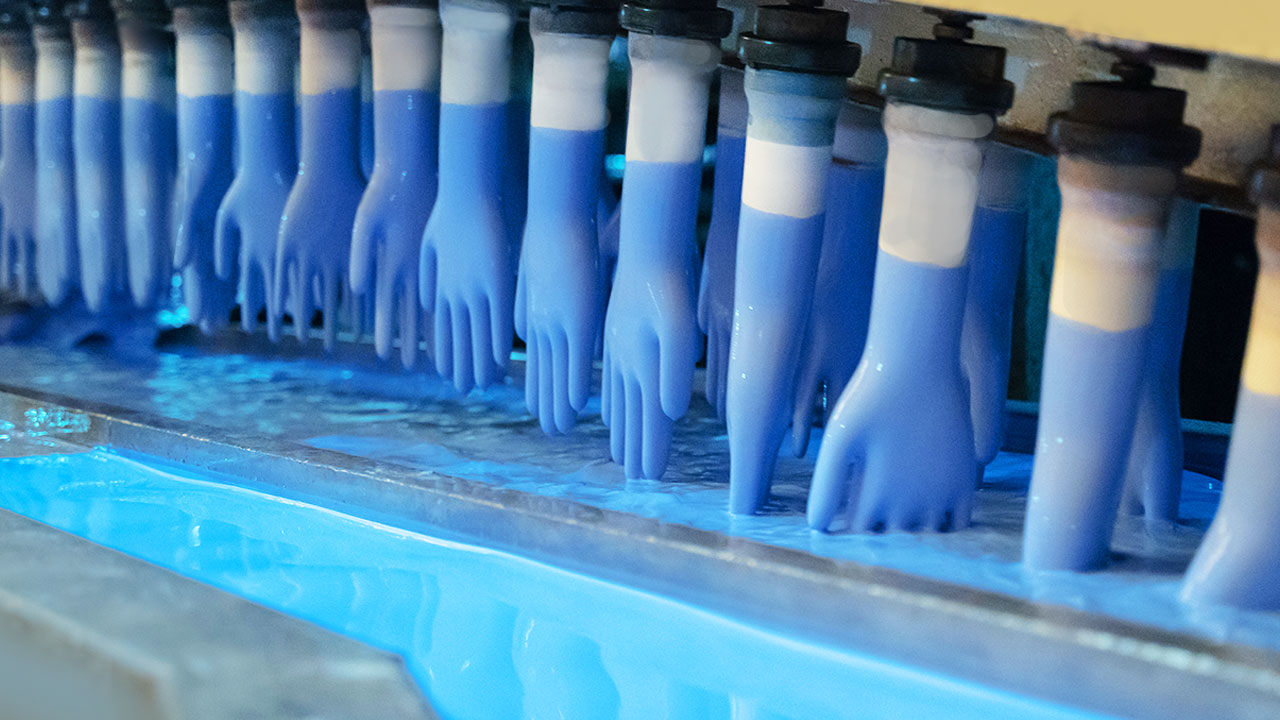
Once dried, automated tracks dip the clean formers into a strict mixture of calcium nitrate and calcium carbonate. This coagulant solution fundamentally determines the final physical thickness of the glove. The calcium carbonate also acts as a release agent, making it easier to strip the finished glove off the mold at the end of the line.
4. Nitrile Dipping
The formers immediately submerge into massive tanks containing the liquid NBR mixture. The coagulant on the former chemically attracts the liquid rubber, causing it to solidify into the distinct shape of a human hand. The machinery precisely calculates the total submersion time to achieve exact thickness requirements.
5. Beading
The dipped formers pass through automated rolling brushes that physically roll the edge of the liquid cuff to create a structural bead. This reinforced cuff strengthens the final glove against tearing when users pull them forcefully over their wrists.
6. Curing and Vulcanization
The coated formers travel slowly through massive high-temperature curing ovens. This intense thermal baking process, known as vulcanization, forces the polymer chains within the nitrile rubber to completely cross-link. This chemical shift locks in the material’s final extreme elasticity and high tensile strength.
7. Surface Treatment and Leaching
Manufacturers plunge the cured gloves into heavy water tanks to rapidly leach out any residual reactive chemicals. Following the wash, they apply a polymer coating or expose the gloves to pure chlorination gas. This treatment entirely removes the rubber’s natural tackiness, allowing medical professionals to don the gloves instantly without struggling against physical friction.
8. Stripping and Quality Control
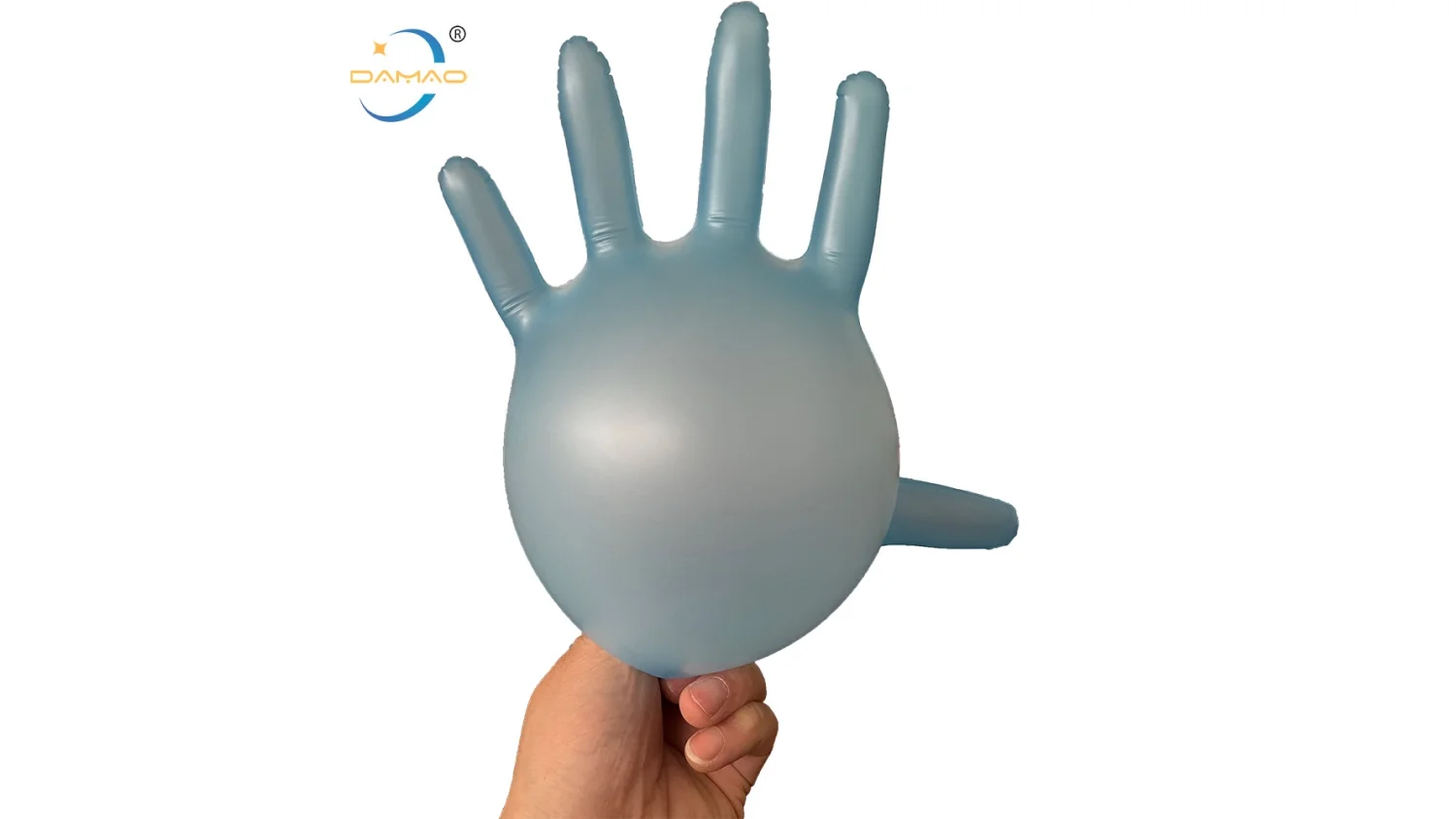
High-pressure air jets forcefully strip the finished gloves from the ceramic formers. Finally, quality control technicians perform strict pinhole leak testing and structural inspections. Only gloves that physically pass these extreme barrier stress tests proceed to final packaging and global shipping.
Summary and Next Steps
The manufacturing process for nitrile gloves transforms raw chemical monomers into critical physical protection barriers. By controlling the exact dipping duration, chemical vulcanization, and surface chlorination, producers guarantee high-grade safety for heavy industrial and medical environments.
Frequently Asked Questions (FAQs)
What are disposable nitrile gloves used for?
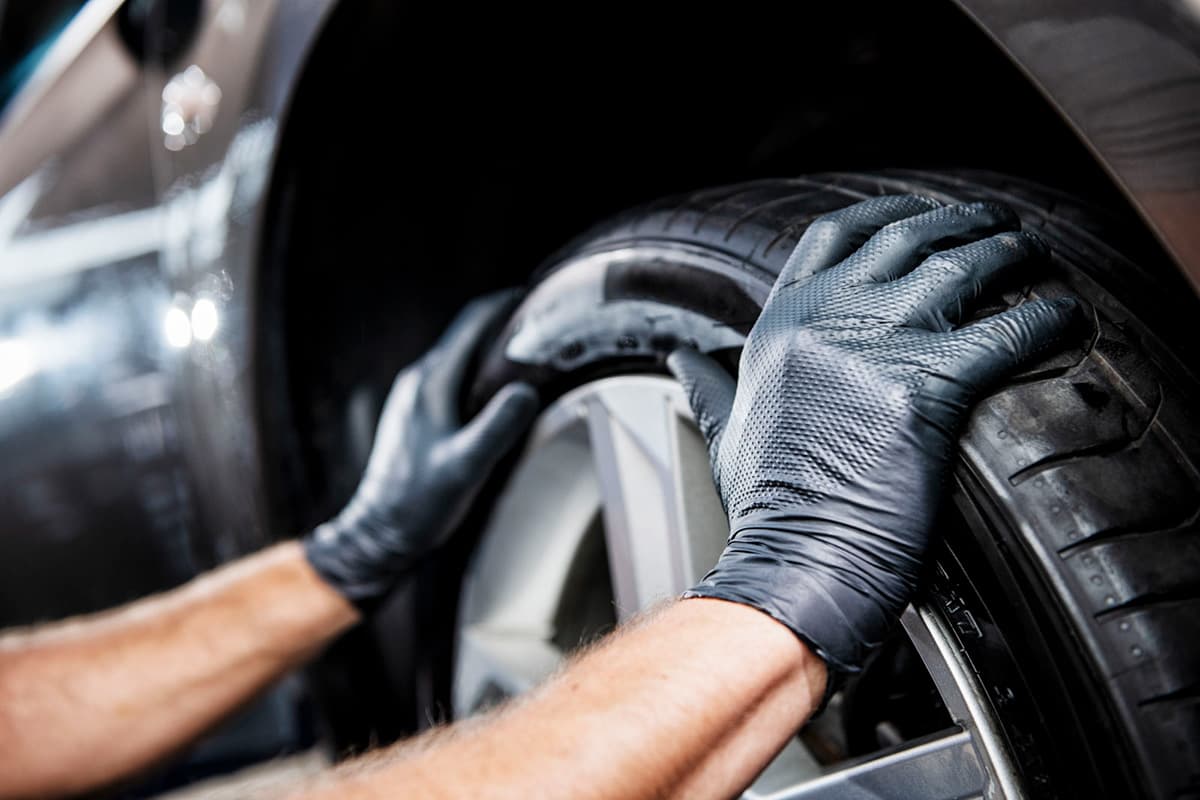
Professionals use disposable nitrile gloves across the healthcare, food service, automotive, and heavy chemical handling industries for absolute physical protection against corrosive pathogens and sharp mechanical punctures.
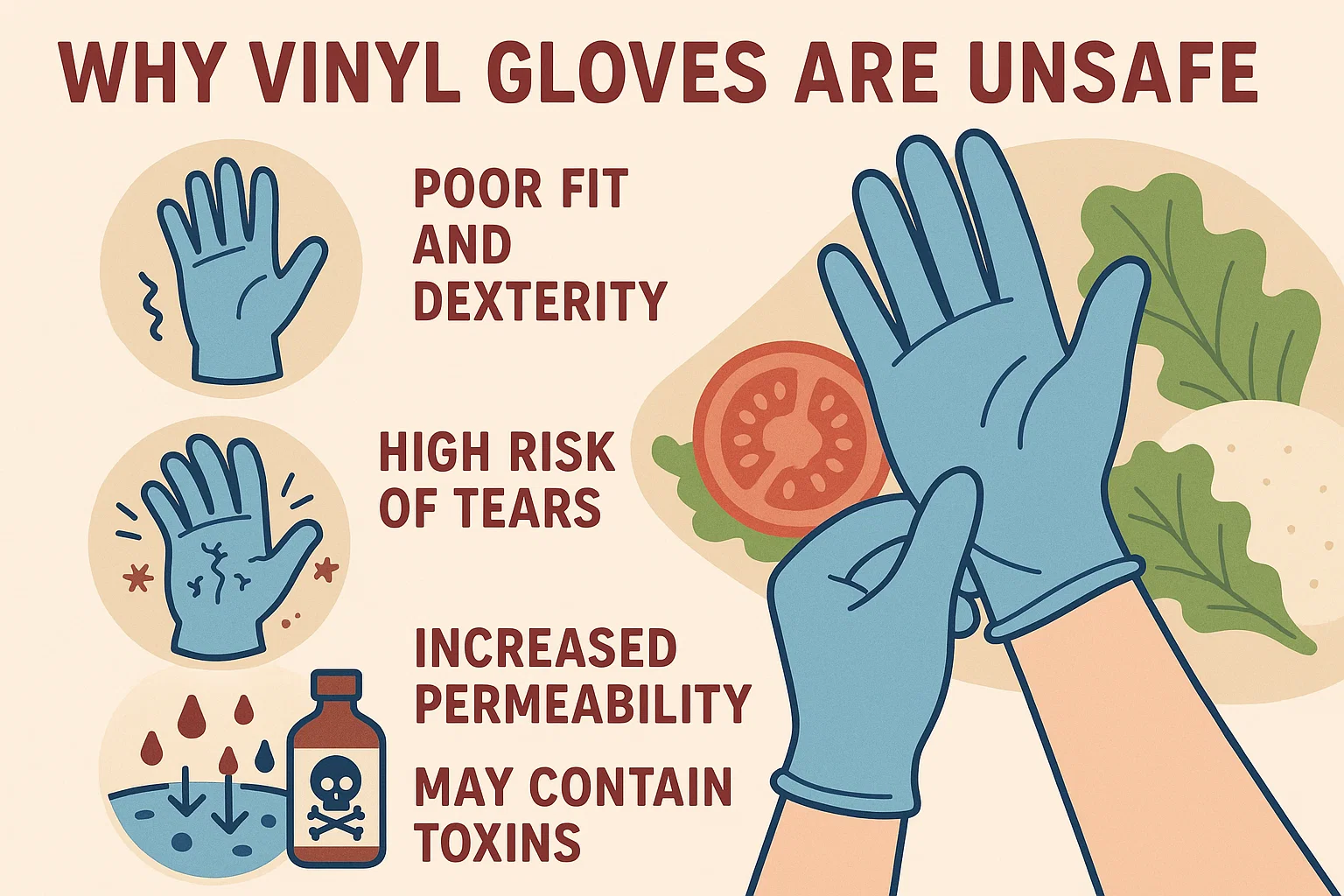
Why choose nitrile gloves over latex or vinyl gloves?
Nitrile provides dramatically superior physical resistance to corrosive chemicals, heavy machine oils, and physical punctures compared to raw latex or vinyl. Additionally, its synthetic structure makes it completely safe for users suffering from severe latex allergies.
Can disposable nitrile gloves be reused safely?
No, disposable nitrile gloves function strictly as single-use physical barriers. Reusing them severely degrades the microscopic molecular structure and creates high risks of biological cross-contamination between individual patients or workstations.
Are all nitrile gloves food safe?
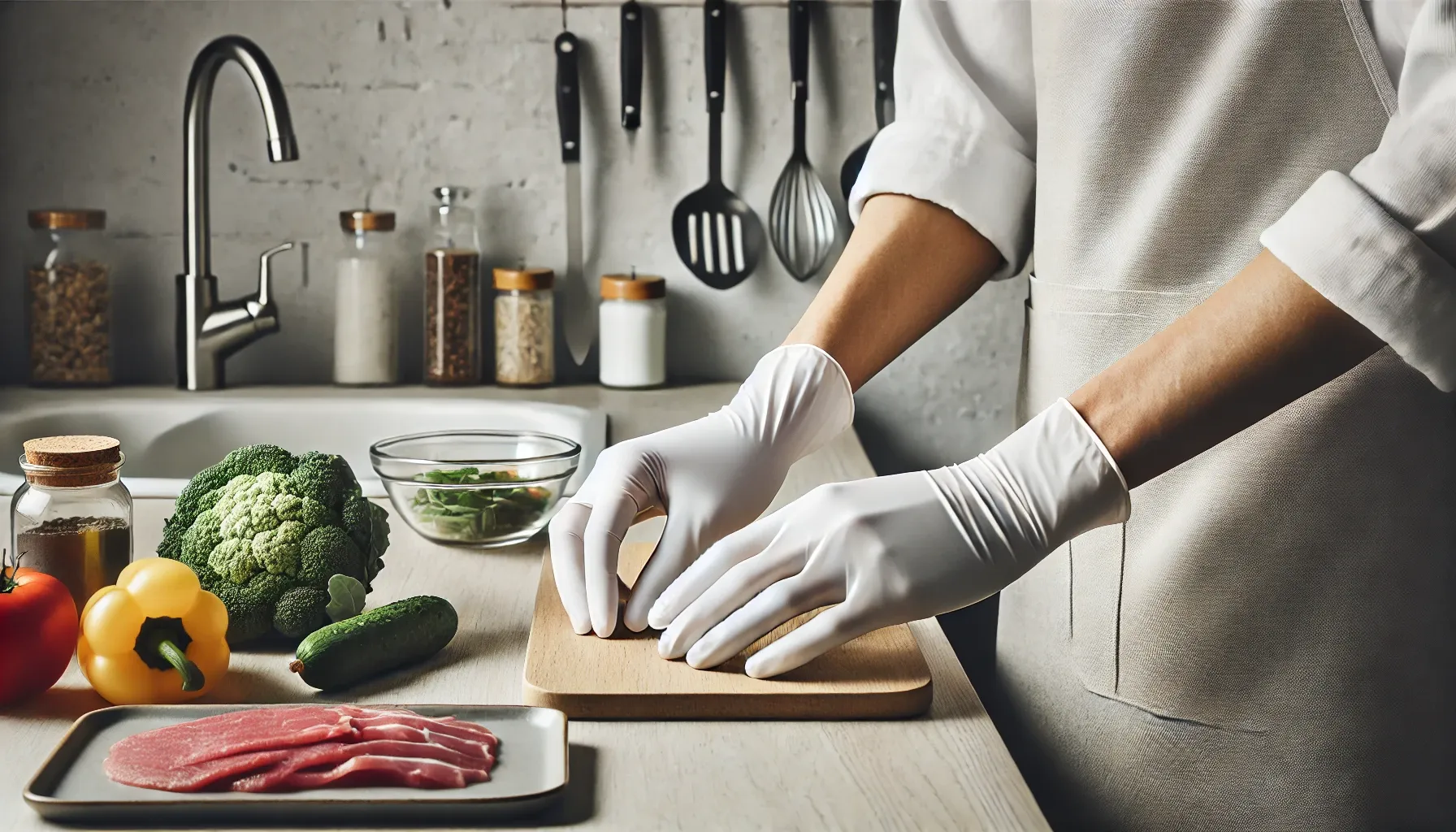
Yes, you can safely use nitrile gloves for food handling, provided the specific manufacturer secured distinct food contact certification from local government regulatory bodies indicating zero chemical leeching.
How should I dispose of used nitrile gloves?
You must dispose of used nitrile gloves strictly according to your facility’s hazardous waste guidelines, as the external rubber surface intensely absorbs harmful industrial chemicals and infectious biological pathogens during routine daily use.