What Is EVA Foam? Uses, Disadvantages & How Long It Lasts
- Damao Tech
- EVA Foam , Gloves
- 12 Jan, 2026
EVA foam is a closed-cell ethylene-vinyl acetate sheet. It is light, cushions well, and cuts cleanly, which is why it shows up in mats, packaging inserts, footwear, and cosplay. Those same traits set the limits: it softens above about 70°C, takes a compression set under long loads, and yellows in UV.
This page is the honest half of the spec. For grades and fabrication, open the EVA foam material page. Below are the disadvantages that actually show up in the field.
Core Limitations of EVA Foam
While EVA foam excels in many areas, certain environmental and mechanical factors can impact its performance. Here is a breakdown of the primary drawbacks:
Low Thermal Resistance
EVA foam has a relatively low melting point compared to other elastomers. In high-heat environments (exceeding 70°C/158°F), it may warp, shrink, or lose its structural integrity. For exact temperature thresholds and heat-resistant grade options, see our EVA foam heat resistance and melting point guide.
Permanent Compression
Over time and under repeated heavy loads, EVA foam can suffer from “compression set.” This means it may not fully return to its original thickness, eventually losing its cushioning properties.
Chemical Sensitivity
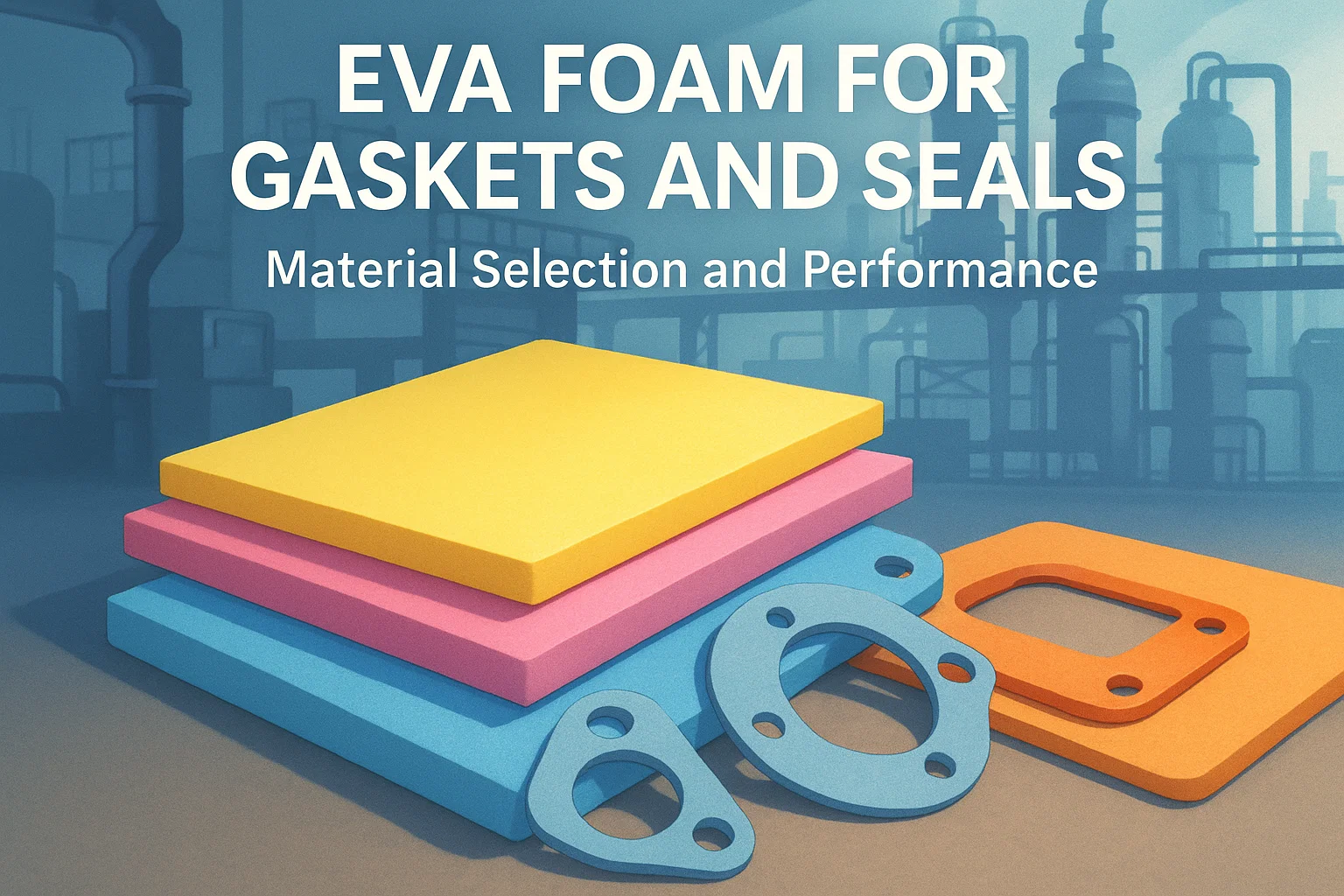
While resistant to water, EVA can degrade when exposed to certain oils, petroleum-based solvents, or strong chemicals. This makes it less ideal for specific industrial gaskets.
Recycling Challenges
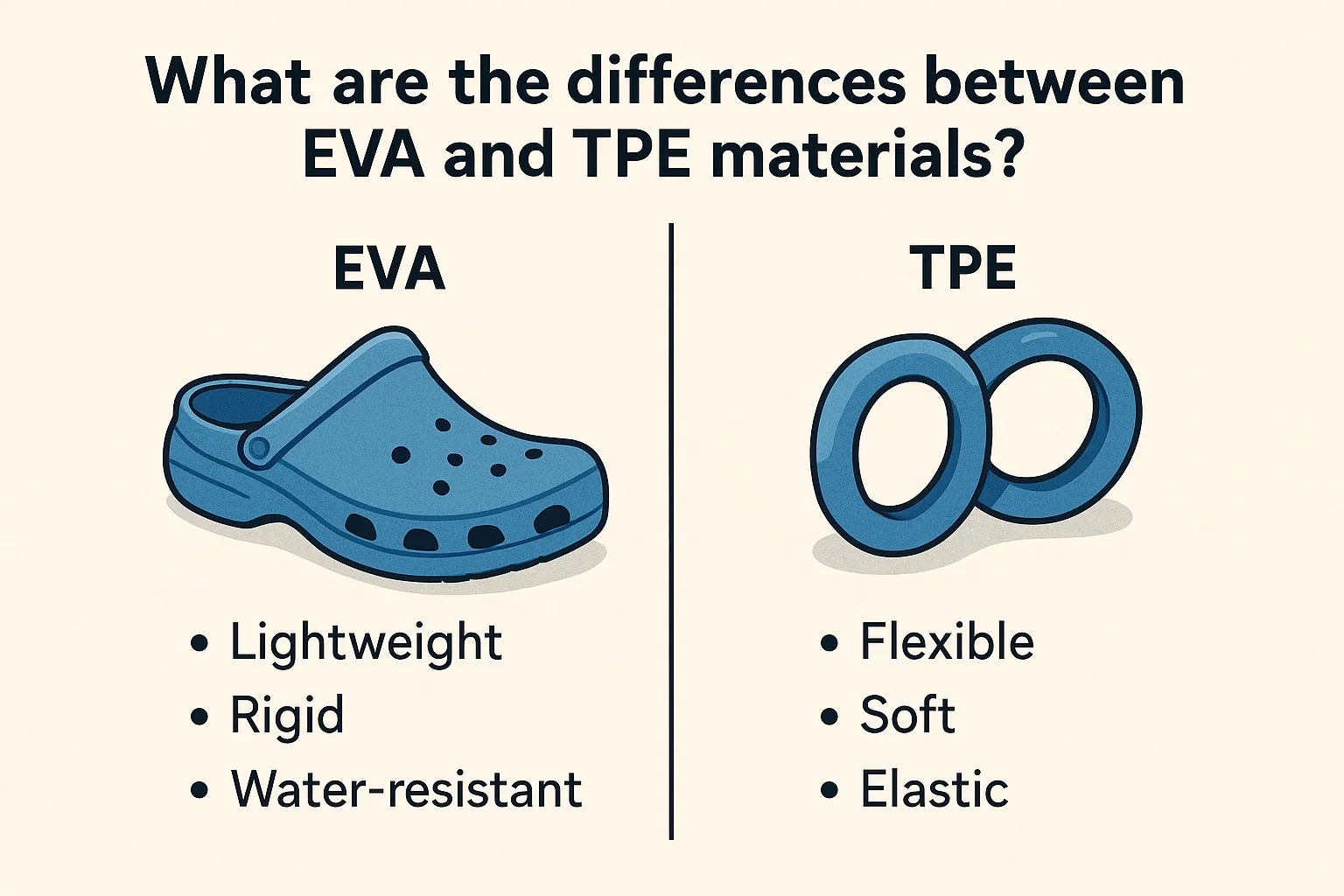
Unlike Thermoplastic Elastomers (TPE), standard EVA foam is a cross-linked material, which makes it more difficult to melt down and recycle in traditional facilities.
How Long Does EVA Foam Last? (Durability & Lifespan)
EVA foam’s lifespan depends mainly on load frequency, UV exposure, and density. As a general guide from our field data:
- Static applications (packaging inserts, wall padding, case liners): 5–10 years with no meaningful degradation, since the foam is rarely compressed.
- Cyclic-load applications (shoe midsoles, gym mats, anti-fatigue flooring): 1–3 years of full cushioning performance. Compression set gradually reduces rebound — running shoe midsoles, for example, typically lose noticeable cushioning after 500–800 km.
- Outdoor applications (boat decking, playground tiles): 3–5 years. UV radiation slowly yellows light colors and embrittles the surface layer; carbon-black (dark) grades and higher densities last significantly longer.
Choosing a higher density grade, adding a UV-stabilized formulation, or laminating a protective skin layer can extend service life well beyond these baselines — see our EVA foam density guide for how density affects durability.
How Damao Tech Mitigates These Drawbacks
Understanding these challenges is the first step toward solving them. At Damao Tech, we utilize advanced chemical engineering to offset many of these natural limitations.
| Disadvantage | Industry Impact | The Damao Tech Solution |
|---|---|---|
| Compression Set | Soles flatten over time | High-resiliency blends that increase energy return. |
| Surface Wear | Easily scratched | Custom skin-forming technology for a tougher exterior. |
| Odor (Off-gassing) | Unpleasant “new foam” smell | Vacuum-deodorizing processes to minimize VOCs. |
| Eco-Impact | Landfill waste | Integration of 20%+ GRS-certified recycled content. |
Expert Decision Guide: When Should You Look for Alternatives?
At Damao Tech, we want your project to succeed. You might consider alternatives to EVA foam if:
- High-Heat Exposure: Your product will be used in automotive engines or high-temp industrial zones (Consider Silicone or EPDM).
- Constant Heavy Loads: For heavy machinery vibration dampening (Consider high-density PU or Rubber).
- Full Circularity: If your brand requires 100% closed-loop recyclability (Consider our TPE alternatives).
Not sure if EVA is right for you? Our technical team can provide a material comparison based on your specific stress-test requirements.
Speak with a Material Engineer
Frequently Asked Questions
1. Does EVA foam absorb water if it gets damaged?
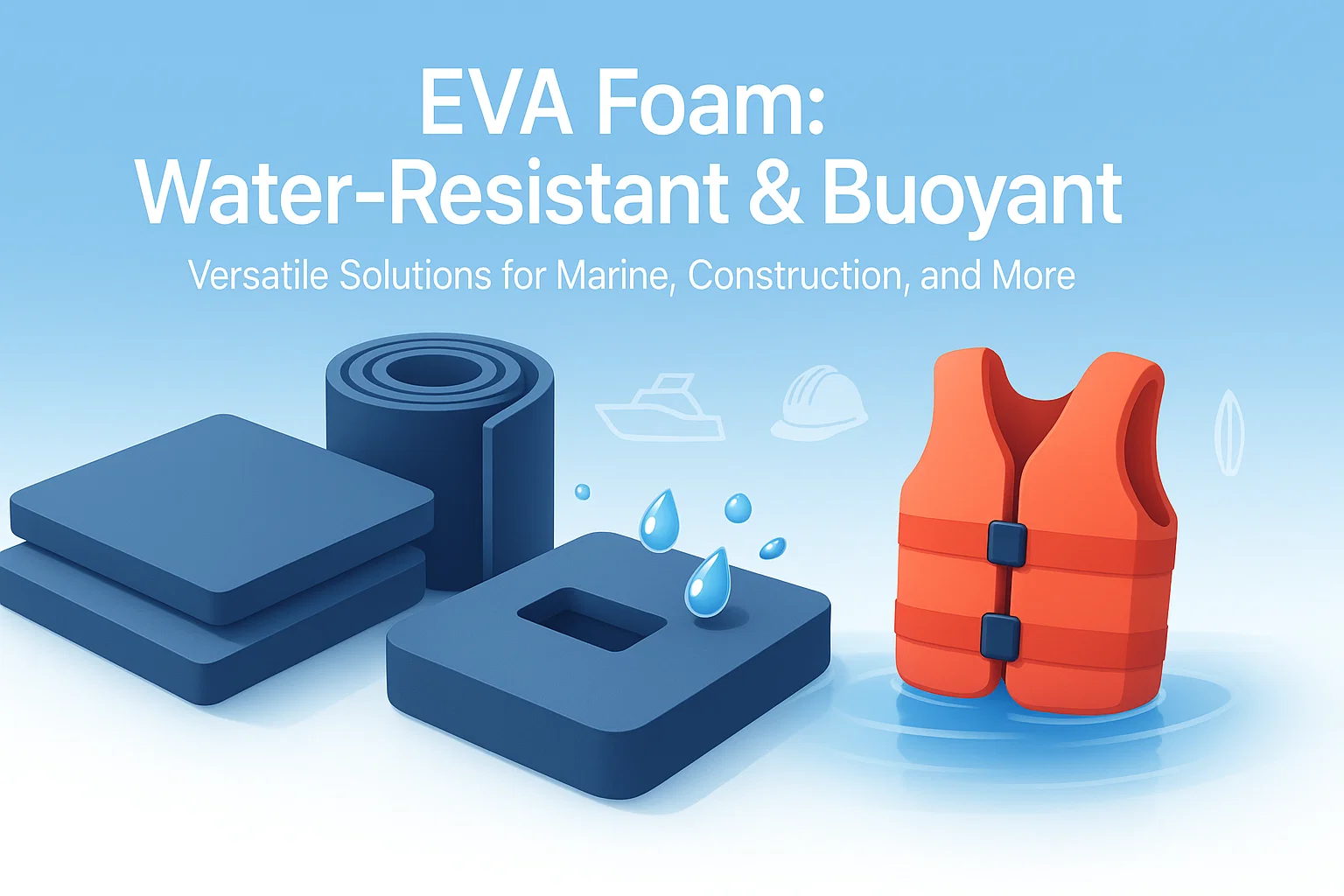
Because Damao Tech uses closed-cell EVA foam, the material remains water-resistant even if the surface is cut. However, deep punctures can trap moisture in the gaps between the cut cells.
2. Is EVA foam toxic when it degrades?
High-quality EVA foam is non-toxic. However, low-grade foams may contain formamides. Damao Tech ensures all products are SGS-tested and free from harmful chemicals.
3. Why does my EVA foam shrink in the sun?
Direct UV exposure and heat cause the air inside the closed cells to expand and contract. Over time, this leads to “thermal shrinkage.” We offer UV-stabilized versions to combat this effect.
4. Can the “bottoming out” effect be prevented?
While all foam eventually ages, choosing a higher-density grade from Damao Tech significantly extends the lifespan of the product compared to standard craft-grade foams.
Get the Right Material Specification Today
The “disadvantages” of a material are often just a matter of choosing the wrong specification. Damao Tech helps you match density, hardness, and additives to your specific environment.