Recycled HDPE Pellets
Damao Tech supplies recycled HDPE pellets for durable bottles, pipes, plastic lumber, pallets, crates, and industrial molded products. rHDPE offers rigidity, chemical resistance, and strong processability for manufacturers reducing virgin HDPE use.
Consult Now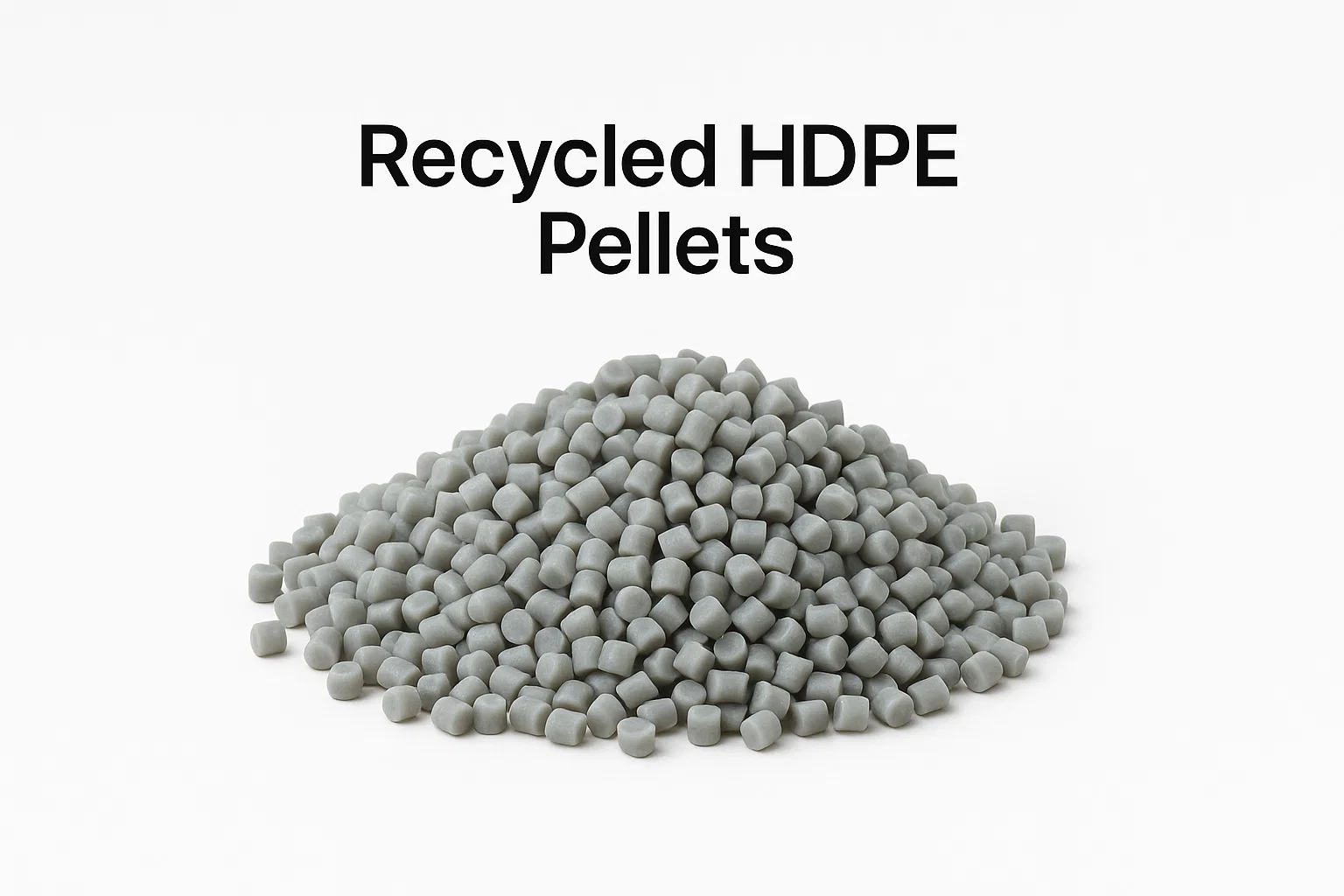
What Are Recycled HDPE Pellets?
Recycled HDPE pellets, or rHDPE pellets, are granules made from reclaimed High-Density Polyethylene. Common sources include milk jugs, detergent bottles, rigid containers, industrial pipe scrap, and other #2 plastic streams.
HDPE is valued for rigidity, chemical resistance, and a high strength-to-density ratio. Recycled HDPE gives manufacturers a practical way to preserve those advantages while reducing virgin resin demand.
The rHDPE Advantage
- Strong Rigidity and Impact Resistance: Useful for products that must withstand handling, loading, and outdoor use.
- Chemical Resistance: Suitable for non-food containers, drums, pipes, tanks, and parts exposed to oils, cleaners, or mild chemicals.
- Lightweight Strength: Supports durable products without unnecessary weight.
- Sustainability Improvement: Helps reduce landfill waste and supports recycled-content procurement goals.
- Reliable Processability: Suitable grades can be used in extrusion, blow molding, and injection molding.
Proven Applications for rHDPE
- Pipes and Infrastructure: Corrugated drainage pipes, conduits, geomembranes, and non-pressure profiles.
- Blow-Molded Containers: Bottles and containers for detergents, motor oil, household cleaners, and personal care products.
- Plastic Lumber and Outdoor Products: Decking, fencing, benches, pallets, bins, and outdoor furniture.
- Automotive and Industrial: Non-critical molded components, crates, trash receptacles, and material-handling products.
Recycling and Quality Control
rHDPE production starts with source selection and sorting by resin type, color, and contamination level. The material is washed, shredded, melted, filtered, and pelletized. Representative samples can be checked for melt flow, density, ash content, moisture, color, odor, and mechanical performance according to buyer requirements.
Sustainability and Business Value
Using recycled HDPE pellets can improve material cost control and support ESG reporting. For building products, infrastructure components, and reusable containers, recycled content also creates a clear sustainability story that customers and procurement teams can understand.
Frequently Asked Questions
Where does rHDPE come from?
The most common sources are post-consumer #2 plastics such as milk jugs, laundry detergent bottles, and rigid containers, plus selected post-industrial HDPE scrap.
How does rHDPE compare with virgin HDPE?
Well-controlled rHDPE can provide comparable stiffness, impact resistance, and chemical resistance for many applications. Color, odor, and mechanical consistency depend on feedstock and grade.
Is rHDPE suitable for blow molding and extrusion?
Yes. rHDPE is widely used for blow-molded containers, extruded pipe, profiles, sheet, and plastic lumber. Grade selection should match melt flow and final product requirements.
Can Damao Tech provide grade recommendations?
Yes. Share your application, processing method, color target, part requirements, and expected volume through our contact page, and we can help identify the right rHDPE pellet grade.
Technical Specs
Core technical parameters and performance indicators for precision EVA foam production.
- Material Recycled High-Density Polyethylene (rHDPE)
- Common Sources HDPE Bottles, Detergent Containers, Pipes
- Key Properties Rigid, Impact Resistant, Chemical Resistant
- Processing Methods Blow Molding, Extrusion, Injection Molding