How Are Nitrile Gloves Made? Complete Manufacturing Guide
- Damao Tech
- Gloves
- 12 Sep, 2026
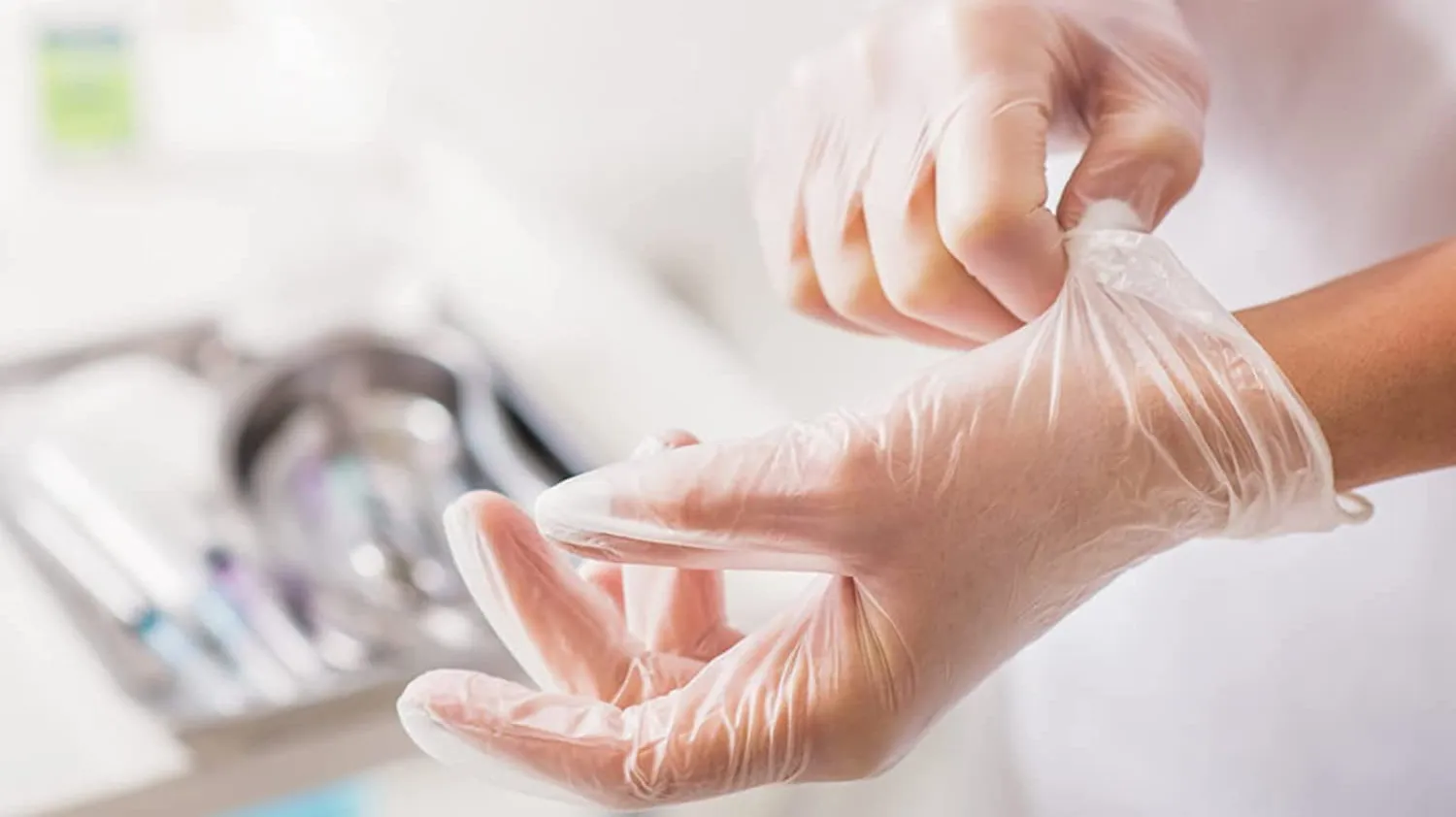
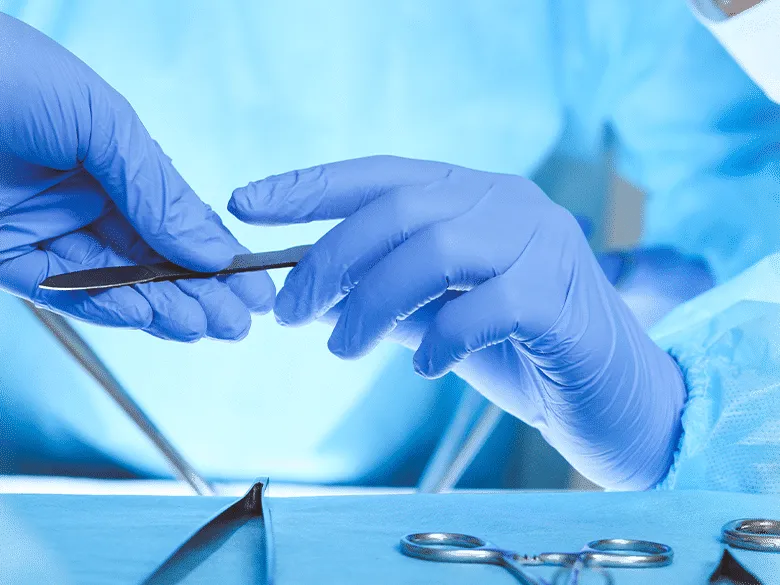
Disposable nitrile gloves have become the undisputed gold standard for chemical handling, medical examinations, and heavy-duty industrial tasks. Unlike natural rubber latex, nitrile offers zero risk of Type I latex protein allergies while providing triple the puncture resistance of natural latex and superior barrier protection against fuels, solvents, and cytotoxic oncology drugs.
This engineering guide details the chemical synthesis of carboxylated nitrile butadiene rubber (XNBR), the continuous high-speed dipping line mechanics, thermal vulcanization, and quality compliance standards (ASTM D6319, EN 455, EN ISO 374) governing modern nitrile glove production.
Polymer Chemistry: What Is Nitrile Butadiene Rubber (NBR)?
Nitrile gloves are manufactured from Carboxylated Acrylonitrile Butadiene Rubber (XNBR), a synthetic copolymer emulsion engineered through free-radical emulsion polymerization. The physical and chemical properties of the final glove depend directly on the precise ratio of three core monomers:
- Acrylonitrile (ACN, 20%–35% by weight):
- Provides chemical resistance against hydrocarbon fuels, machine oils, greases, and organic solvents.
- Increases polymer rigidity, tensile strength, and abrasion resistance.
- 1,3-Butadiene (60%–75% by weight):
- Contributes elastic flexibility, low-temperature pliability, and high elongation at break.
- Ensures the glove remains supple and comfortable on the user’s hand.
- Methacrylic Acid / Carboxylic Acid (3%–6% by weight):
- Introduces reactive carboxyl groups ((-\text{COOH})) along the polymer backbone, converting standard NBR into XNBR.
- Enables dual cross-linking: ionic bonding with Zinc Oxide ((\text{Zn}^{2+})) and covalent bonding with sulfur, drastically enhancing tensile strength and tear resistance without relying heavily on chemical accelerators.
The 8-Step Automated Nitrile Dipping Process
Modern industrial nitrile glove dipping lines span multiple factory tiers, running continuous conveyor loops up to 1.5 kilometers in length and holding over 10,000 ceramic hand formers. Maintaining tight control over tank viscosities, line speeds, and oven thermal curves is crucial to preventing structural pinholes.
1. Raw Material Compounding & Maturation
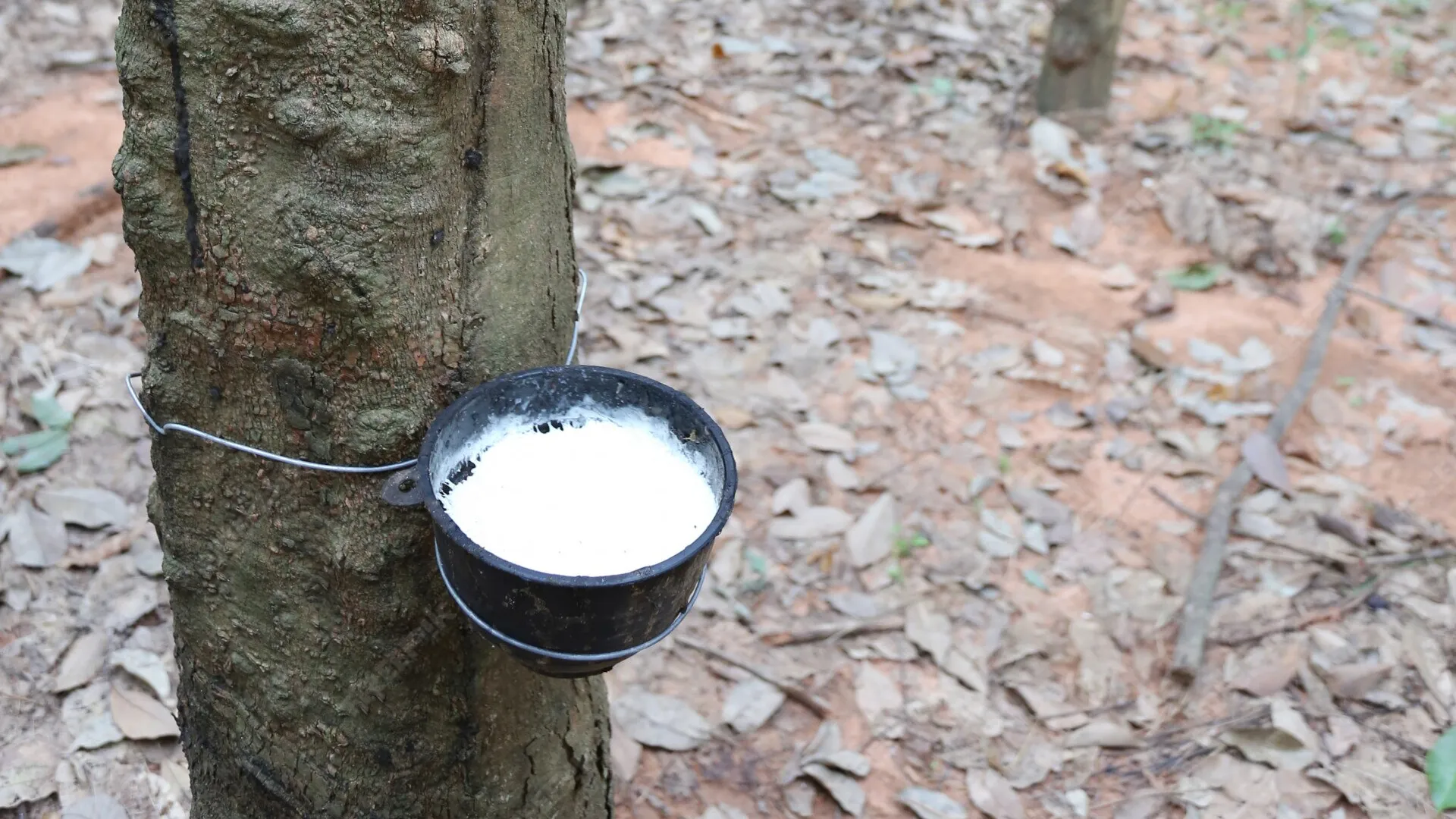
Virgin NBR latex emulsion is pumped into temperature-controlled compounding reactors. Chemical engineers blend the latex with functional additives:
- Sulfur and vulcanizing agents: Form covalent sulfur cross-links between butadiene chains.
- Zinc Oxide ((\text{ZnO})): Creates ionic cross-links with the carboxyl groups of the XNBR polymer.
- Accelerators (or Accelerator-Free Formulations): Dithiocarbamates or thiurams to catalyze sulfur vulcanization. Modern accelerator-free lines eliminate these chemicals to prevent Type IV contact dermatitis.
- Color pigments & stabilizers: Titanium dioxide and phthalocyanine pigments for distinct coloration (medical blue, chemo purple, industrial black).
- Maturation: The mixture is slowly stirred at 25°C–30°C for 24 to 48 hours to ensure complete colloidal homogeneity and release entrained air.
2. Former Ultrasonic Cleaning & Surface Etching
Porcelain or textured ceramic formers travel through multi-tier cleaning stations:
- Acid wash: Nitric acid removes inorganic scale and coagulant salts from prior dipping cycles.
- Alkaline wash: Strips off residual latex film and organic oils.
- High-pressure DI water jets: Cleanse the formers before high-speed rotating nylon brushes polish the micro-textured finger surfaces.
- Preheating ovens: Bring the formers to a precise surface temperature of 55°C–65°C.
3. Coagulant Dipping
The preheated formers plunge into a temperature-regulated coagulant bath composed of:
- Calcium Nitrate ((\text{Ca(NO}_3\text{)}_2)): A bivalent salt that destabilizes the negatively charged nitrile latex emulsion, causing the rubber particles to instantly precipitate and aggregate onto the former.
- Calcium Carbonate ((\text{CaCO}_3)): Functions as a mold release agent, facilitating effortless automated stripping at the end of the line.
- Wetting surfactant: Ensures an ultra-smooth, uniform coagulant film across fingertips and webbing.
4. Precision Nitrile Latex Dipping
The coagulant-coated formers descend into continuous-flow dip tanks filled with mature liquid XNBR latex:
- Rheology control: The latex bath is continuously circulated through 50-micron filters and chilled to 28°C–32°C to maintain a stable viscosity of 18–25 seconds (Zahn Cup #2).
- Immersion profiling: Automated dipping tracks submerge and withdraw the formers at programmed angles. Withdrawal speed controls film thickness: slower withdrawal creates thin-wall 3.0 mil exam gloves, while faster retrieval yields heavy-duty 6.0–8.0 mil industrial gloves.
5. Cuff Rolling (Beading)
While the wet nitrile gel is semi-solidified, high-speed counter-rotating elastomer rollers catch the base rim of the glove. They roll the liquid rubber edge upward into a reinforced, uniform beaded ring. The beaded cuff provides critical tensile reinforcement during vigorous donning and prevents fluid runoff along the forearms.
6. Pre-Cure Leaching
The gelled gloves pass through extensive warm-water leaching tanks (50°C–70°C). This extraction step washes away excess calcium nitrate salts, water-soluble surfactants, and unreacted compounding additives, preventing white film blooming and improving final barrier integrity.
7. Multi-Stage Thermal Vulcanization (110°C – 135°C)
The coated formers enter massive, multi-zone curing ovens for 20 to 30 minutes. The thermal profile rises progressively through three critical phases:
- Drying Zone (90°C – 100°C): Evaporates all remaining water from the polymer matrix.
- Cross-linking Zone (110°C – 135°C): Activates sulfur and zinc oxide catalysts, driving both covalent and ionic cross-linking between polymer chains. This chemical bonding locks in elasticity, chemical resistance, and puncture strength.
- Cooling Zone: High-velocity filtered air cools the formers to 40°C–50°C before surface treatment.
8. Post-Cure Leaching, Surface Chlorination & Stripping
- Post-Vulcanization Leaching: A secondary hot-water rinse removes any residual reaction byproducts.
- Inline Chlorination / Polymer Coating: To deliver a 100% powder-free glove, the gloves enter an acidified chlorine wash or receive an acrylic/polyurethane coating. Chlorination micro-etches the glove interior, reducing friction for rapid damp-hand donning.
- Automated Pneumatic Stripping: High-pressure air jets loosen the glove cuffs from the formers, and robotic gripper arms strip the gloves off inside-out.
- Optical Pinhole Scanning: High-speed machine vision cameras inspect 100% of gloves for cuff tears, edge rolled defects, and major tears.
Technical Specifications & Compliance Standards
Institutional medical and industrial procurement demands compliance with rigorous testing criteria:
| Parameter | ASTM D6319 (Medical Nitrile) | EN 455 Parts 1–4 (EU Medical) | Industrial / Chemical Grade (EN ISO 374) |
|---|---|---|---|
| Pinhole Water Leak AQL | ≤ 1.5 (Level I/II sampling) | ≤ 1.5 (Water leak inspection) | AQL 1.5 – 2.5 |
| Tensile Strength (Unaged) | ≥ 14.0 MPa (Typically 20–28 MPa) | Median force at break ≥ 6.0 N | ≥ 14.0 MPa |
| Tensile Strength (Aged) | ≥ 14.0 MPa (70°C, 7 days) | Median force at break ≥ 6.0 N | ≥ 14.0 MPa |
| Ultimate Elongation | ≥ 500% | ≥ 500% | ≥ 400% |
| Chemotherapy Resistance | Tested per ASTM D6978 | Tested per ASTM D6978 / EN 16523 | N/A |
| Viral Penetration | Passes ASTM F1671 (Phi-X174) | Passes ISO 16604 | Varies by category |
Comparison: Nitrile vs. Latex vs. Vinyl vs. TPE
| Performance Feature | Premium Nitrile | Natural Latex | Vinyl (PVC) | TPE Gloves |
|---|---|---|---|---|
| Material Base | Carboxylated NBR (Synthetic) | Cis-1,4-polyisoprene (Natural) | PVC + Plasticizers | Thermoplastic Elastomer |
| Type I Latex Allergy | Zero Risk (100% Latex-Free) | Allergenic protein risk | Zero Risk | Zero Risk |
| Puncture Resistance | Superior (3x Latex) | Moderate | Low | Low-Moderate |
| Chemical Resistance | Fuels, oils, acids, solvents | Mild acids/alkalis, water | Neutral cleaners, water | Greases, water, food oils |
| Chemo Drug Protection | Excellent (ASTM D6978) | Poor | Unsafe | Unsafe |
| Elastic Memory & Fit | Snug (Relaxes with hand heat) | Outstanding elasticity | Loose fit | Semi-fitted |
| Cost Profile | Moderate / High Performance | Moderate-High | Economy | Highly Economical |
Professional Applications for Nitrile Gloves
- Healthcare & Oncology Wards: Handling chemotherapy agents, cytostatic drugs, and bloodborne pathogens requires specialized Purple Medical Exam Nitrile Gloves with AQL ≤ 1.5 and ASTM D6978 certification.
- Automotive & Heavy Industry: Mechanics and machine operators rely on 6.0–8.0 mil Heavy-Duty Black Nitrile Gloves for resistance to engine oils, gasoline, brake fluids, and sharp metal edges.
- Commercial Food Processing: Certified food-safe Blue Nitrile 4mil Gloves provide chemical migration safety and high visual detectability in food preparation lines.
- Pharmaceutical Laboratories: Powder-free cleanroom nitrile gloves protect sensitive research assays from particulate contamination.
Frequently Asked Questions (FAQ)
What makes nitrile gloves resistant to punctures?
The superior puncture resistance of nitrile comes from its carboxylated polymer matrix (XNBR). The combination of covalent sulfur bonds and ionic zinc cross-links creates a dense, interpenetrating network that resists sharp point penetration three times better than natural latex.
Can nitrile gloves cause allergic reactions?
Nitrile contains zero natural rubber latex proteins, completely eliminating Type I allergic reactions. However, standard nitrile gloves cured with traditional sulfur accelerators (carbamates, thiazoles) can occasionally cause Type IV delayed contact dermatitis in hypersensitive individuals. For these workers, accelerator-free nitrile gloves provide a completely hypoallergenic solution.
What does AQL 1.5 mean for nitrile gloves?
AQL stands for Acceptable Quality Limit. An AQL of 1.5 means that in a statistical random sample tested with 1,000 mL of water per ASTM D5151, no more than 1.5% defective (pinhole) units are permitted for the entire batch to clear release criteria. For medical exam gloves, AQL 1.5 is mandatory under FDA and CE regulations.
Looking for high-volume B2B supplies or custom private-label manufacturing? Explore our complete lineup of Premium Nitrile Gloves, Purple Medical Exam Gloves, and our industrial Fully Automatic Disposable Gloves Machines, or reach out to our engineering team at info@damao-tech.com.