Polyethylene (PE) Gloves: Technical Manufacturing, HDPE vs. LDPE & Buying Guide
- Damao Tech
- Gloves
- 12 Sep, 2026
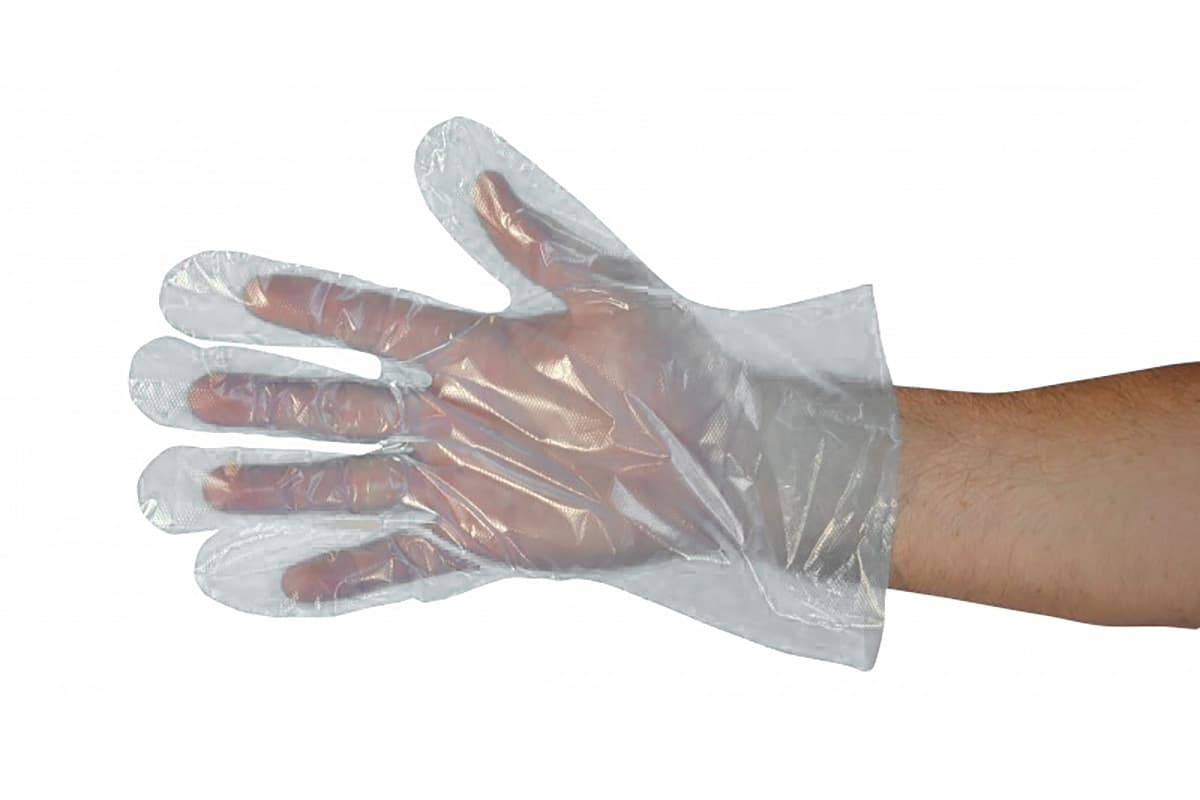
Polyethylene (PE) gloves are the most cost-effective and universally adopted barrier solution for high-frequency, light-duty hygiene applications. Extensively deployed across quick-service restaurants, retail deli counters, industrial food packaging, and commercial beauty salons, these gloves are purpose-designed for tasks requiring rapid, frequent glove donning and disposal.
Unlike dipped elastomeric gloves (such as nitrile or natural rubber latex), polyethylene gloves are fabricated from thermoplastic polyolefin film through blown-film extrusion and thermal die-cut heat sealing.
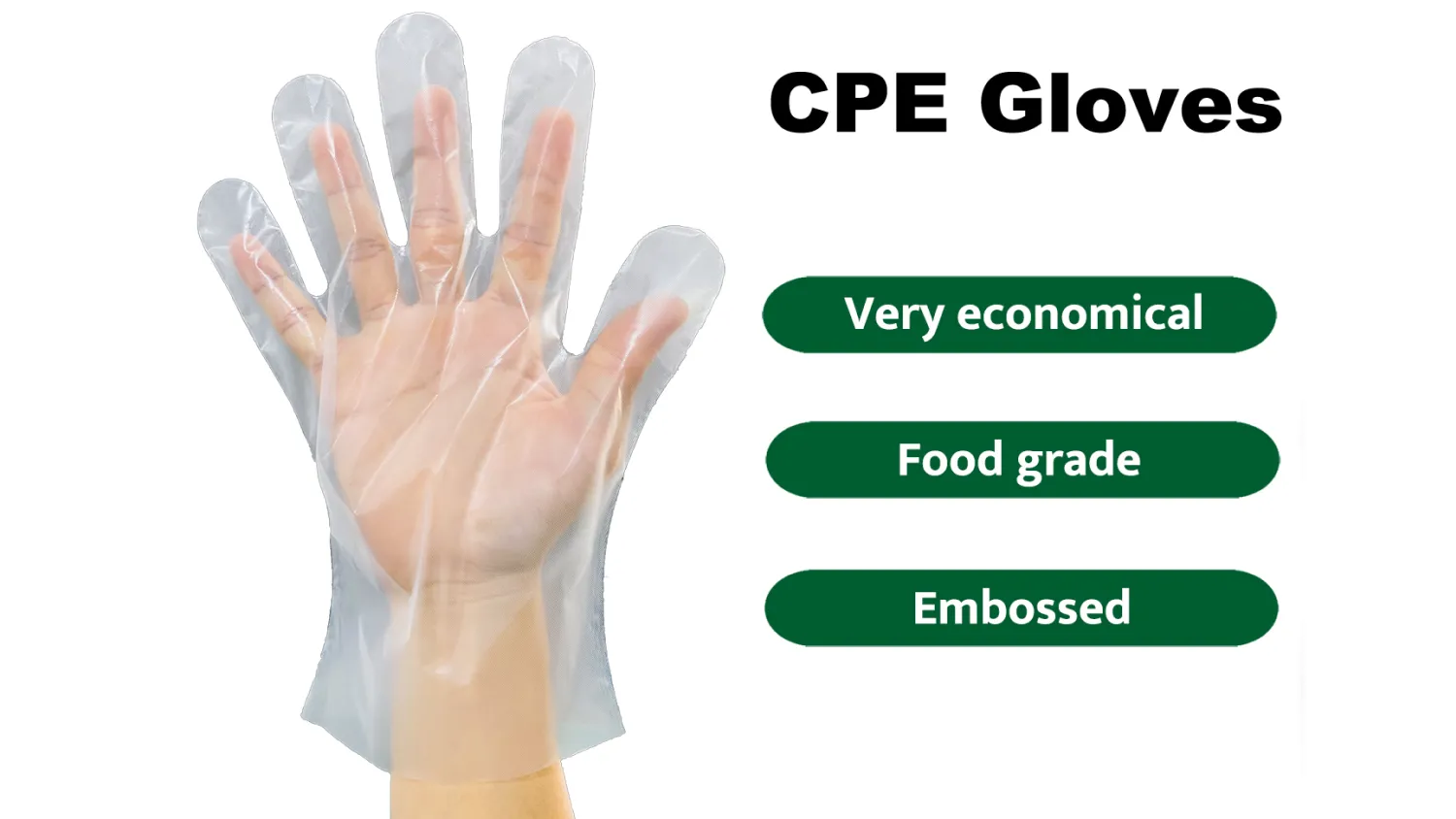
This guide delivers an in-depth engineering breakdown of polyethylene material grades (HDPE vs. LDPE vs. LLDPE), manufacturing machinery mechanics, international food contact regulations, and a direct performance comparison against cast polyethylene (CPE) and thermoplastic elastomer (TPE) alternatives.
Polymer Science: HDPE vs. LDPE vs. LLDPE
Polyethylene is a semicrystalline thermoplastic polymer synthesized via the polymerization of ethylene monomer gas ((\text{C}_2\text{H}_4)). In glove manufacturing, three distinct polymer structures are used, each imparting distinct tactile, tensile, and acoustic properties:
HDPE:   —CH₂—CH₂—CH₂—CH₂—CH₂—CH₂—  (Linear, tightly packed, rigid)
LDPE:   —CH₂—CH(CH₂CH₂CH₃)—CH₂—    (Highly branched, flexible, softer)
LLDPE:  —CH₂—CH(R)—CH₂—CH₂—CH₂—    (Short uniform branches, high puncture resistance)
1. High-Density Polyethylene (HDPE)
- Density: 0.941 to 0.965 g/cm³
- Molecular Structure: Linear polymer chains with minimal branching, enabling tight intermolecular packing and high crystallinity (up to 70%–80%).
- Characteristics: Crisp, crinkly texture with high tensile strength, excellent moisture vapor barrier, and low elongation. HDPE gloves can be produced at ultra-thin gauges (typically 8 to 12 µm / 0.3–0.5 mil), yielding weights as low as 0.6–0.8 g per glove.
- Ideal Uses: Supermarket produce handling, bakery counter service, and quick-turnaround food assembly lines.
2. Low-Density Polyethylene (LDPE)
- Density: 0.910 to 0.940 g/cm³
- Molecular Structure: Extensive long-chain branching that prevents close crystalline packing, resulting in a lower density and lower modulus.
- Characteristics: Softer, quieter drape, higher stretchability (elongation > 300%), and improved puncture tolerance compared to HDPE. Typically extruded at gauges of 15 to 25 µm (0.6–1.0 mil), weighing between 0.9 and 1.3 g per glove.
- Ideal Uses: Commercial catering, meat and seafood processing, hair coloring, and light janitorial wiping.
3. Linear Low-Density Polyethylene (LLDPE) Blends
- Modern premium PE gloves frequently incorporate 10%–30% metallocene LLDPE (mLLDPE). The narrow molecular weight distribution drastically improves seam weld strength and prevents seam blowout when gloves are pulled briskly over wet hands.
How PE Gloves Are Manufactured
Polyethylene gloves are manufactured using continuous automated extrusion and die-cutting lines rather than batch liquid dipping lines:
[Virgin PE Pellets + Additives]
              │
[Blown Film Extrusion Tower (Tubular Bubble)]
              │
[Corona Treatment & Diamond Surface Embossing]
              │
[Rotary Thermal Heat-Sealing & Die-Cutting (140°C–180°C)]
              │
[Automatic Scrap Strip & High-Speed Stacking]- Pellet Feeding & Color Masterbatch: Virgin food-grade PE resin is mixed with slip agents (erucamide or oleamide), anti-block silica additives, and color masterbatches (clear translucent, food-safe blue, pink, or green).
- Blown Film Extrusion: The polymer melt is forced upward through an annular circular die at 190°C–220°C. An internal air ring inflates the melt into a vertical cylindrical bubble. Adjusting the blow-up ratio (BUR) precisely controls film thickness down to ±1 micron.
- Micro-Embossing: Before winding, the flattened film passes through engraved chrome rollers that impart a micro-textured “orange-peel” or diamond embossed pattern. This textured surface breaks boundary vacuum tension, preventing layers from clinging together and allowing effortless opening and donning.
- Thermal Die-Cutting and Sealing: Two continuous film webs are fed into high-speed heat-sealing stations, such as our industrial Fully Automatic Disposable Gloves Machine. Heated contour dies (140°C–180°C) fuse the perimeter edges in milliseconds while simultaneous rotary knives die-cut the finished glove geometry.
- Automated Scrap Stripping and Packing: High-speed vacuum strippers extract the waste film lattice (which is immediately granulated and recycled), while mechanical fingers stack gloves into dispensers of 100, 200, or 500 units.
Technical Specifications Matrix
| Specification Parameter | HDPE Standard | LDPE Heavy Duty | LLDPE Hybrid / Stretch PE |
|---|---|---|---|
| Film Thickness | 9 – 12 µm (0.35 – 0.47 mil) | 15 – 25 µm (0.60 – 1.00 mil) | 18 – 28 µm (0.70 – 1.10 mil) |
| Weight per Piece (Size M) | 0.70 – 0.85 g | 0.95 – 1.25 g | 1.10 – 1.40 g |
| Tensile Strength (Machine Dir) | ≥ 18 MPa | ≥ 12 MPa | ≥ 20 MPa |
| Tensile Strength (Transverse) | ≥ 14 MPa | ≥ 10 MPa | ≥ 16 MPa |
| Ultimate Elongation | 150% – 250% | 300% – 450% | 400% – 550% |
| Surface Finish | Diamond Embossed | Micro-Embossed | Textured Hybrid |
| AQL (Liquid Integrity) | AQL 2.0 – 2.5 | AQL 2.0 – 2.5 | AQL 1.5 – 2.0 |
| Standard Length | 270 – 290 mm | 270 – 300 mm | 280 – 300 mm |
Regulatory Compliance & Food Safety Certification
For institutional food processing and hospitality procurement, PE gloves must satisfy strict migration limits:
- US FDA Compliance: Manufactured in strict compliance with FDA 21 CFR 177.1520 (Olefin polymers permitted for direct contact with food substances). Free of natural rubber latex proteins, phthalate ester plasticizers, and bisphenol A (BPA).
- European Union Food Contact Compliance: Conforms to Framework Regulation (EC) No 1935/2004 and Commission Regulation (EU) No 10/2011. Subjected to overall migration limit (OML) testing across standardized food simulants:
- Simulant A: 10% Ethanol (aqueous foods)
- Simulant B: 3% Acetic Acid (acidic foods, pH < 4.5)
- Simulant D2: Vegetable oil / isooctane (fatty foods, meats, and dairy)
- Non-Toxic & Hypoallergenic: Pure polyethylene requires zero chemical vulcanization accelerators (thiurams, carbamates), completely eliminating Type IV delayed chemical hypersensitivity as well as Type I latex allergies.
Comparison: PE vs. CPE vs. TPE vs. Nitrile
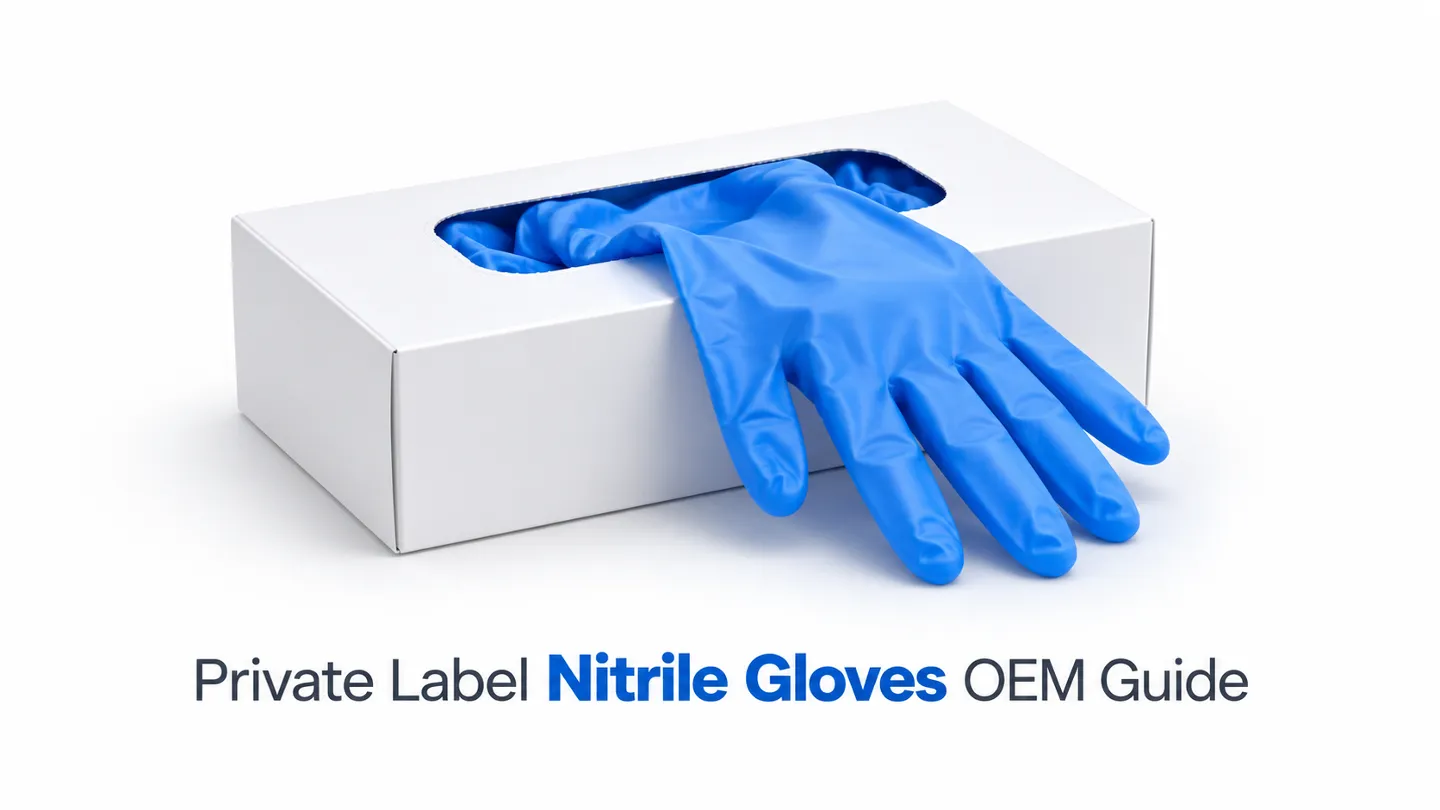
| Key Property | Polyethylene (PE) | Cast Polyethylene (CPE) | TPE Gloves | Blue Nitrile 4mil |
|---|---|---|---|---|
| Base Material | Blown HDPE/LDPE | Cast Extruded PE | Thermoplastic Elastomer | Carboxylated NBR |
| Fit & Elasticity | Loose, non-elastic | Loose with subtle drape | Semi-elastic, snugger fit | Elastic, memory fit |
| Grip & Tactility | Embossed / crinkly | Soft granular texture | Silky smooth elastomer | Textured micro-fingertips |
| Barrier Integrity | Light splashes, dust | Moderate liquid barrier | High liquid integrity | Medical / Chemical barrier |
| Recommended Usage Duration | 1 to 10 minutes | 10 to 30 minutes | 30 to 60 minutes | Up to 120+ minutes |
| Unit Cost Index | Lowest ($) | Very Low ($$) | Economical ($$$) | Moderate-High ($$$$) |
Primary Industrial Applications
- Food Preparation & Delicatessens: The high-volume throughput in delis and sandwich shops requires staff to switch gloves between raw and cooked foods. PE gloves offer zero drag for sub-two-second donning and removal.
- Industrial Food Packing: Automated lines packing bakery products, fresh confectionery, and fruit use blue-tinted PE gloves to ensure visual detectability in compliance with HACCP systems.
- Cosmetics & Hair Styling: Salons utilize PE gloves during hair dye application and bleach touch-ups to prevent cosmetic staining on stylists’ hands.
- Commercial Hospitality: Buffets, hotel catering, and event catering staff utilize clear PE gloves to ensure impeccable public hygiene standards.
Frequently Asked Questions (FAQ)
Are PE gloves recyclable?
Yes. Polyethylene gloves are made from pure mono-material thermoplastics (Resin Identification Code #2 for HDPE and #4 for LDPE). If uncontaminated by biological fluids or toxic chemicals, clean waste film and used gloves can be collected, melted, and re-pelletized into agricultural films, plastic lumber, or industrial trash liners. For facilities committed to circular solutions, our Compostable Disposable Gloves provide a certified bio-based alternative.
Can PE gloves be used for medical examinations?
No. Standard PE gloves are not certified medical devices under FDA Class I or EU MDR (EN 455). Their loose-fitting geometry, non-elastic heat-sealed seams, and lack of AQL 1.5 water-leak testing make them unsuitable for bloodborne pathogen handling. For clinical examinations, medical personnel must use certified Purple Medical Exam Gloves or Premium Nitrile Gloves.
Why do PE gloves feature an embossed surface?
Smooth polyethylene films exhibit high surface cohesive forces, causing the plastic walls to stick together and making opening the glove opening frustratingly slow. An embossed pattern introduces microscopic air channels that drastically reduce contact friction, allowing workers to slip their hands in effortlessly even in fast-paced commercial kitchens.
Where can I buy PE gloves in bulk wholesale?
Damao Tech manufactures PE gloves on high-output automated lines and supplies container-load quantities to distributors, restaurant chains, and hygiene wholesalers worldwide. Contact our sales engineering team at info@damao-tech.com for factory-direct bulk pricing.
Can PE gloves be customized with colors, embossing, or private labeling?
Yes. We offer custom color masterbatches (including food-safe blue), embossing patterns, and private-label packaging for volume orders. Share your specifications and estimated quantity for a customized quotation.
Damao Tech supplies commercial packaging distributors, restaurant chains, and hygiene wholesalers with high-volume PE gloves, TPE Gloves, and high-output Fully Automatic Disposable Gloves Machines. For factory-direct quotes, custom embossing patterns, and containerload shipping, contact our sales engineering team at info@damao-tech.com.