Choosing the Right Disposable Gloves for Your Business: A Complete Bulk Buying Guide
- Damao Tech
- Gloves
- 31 Mar, 2024
Choosing the right disposable gloves for your business is a critical procurement decision that directly impacts employee safety, regulatory compliance, and your bottom line. Ordering the wrong gloves can lead to allergic reactions, cross-contamination, failed health inspections, or wasted budget on over-engineered products.
Whether you run a medical clinic, a food processing plant, or an automotive garage, this comprehensive wholesale buying guide will walk you through the step-by-step assessment process for selecting the perfect disposable glove.
Step 1: Identify Your Industry Requirements and Glove Grade
The first step in choosing a glove is determining the regulatory requirements of your industry. Gloves are generally categorized into three distinct grades:
- Medical / Exam Grade: These gloves must pass stringent regulatory testing (such as FDA 510k requirements in the US or EN 455 in Europe) for pinholes (AQL), chemical resistance, and puncture resistance. They are mandatory for hospitals, dental clinics, and tattoo parlors to protect against bloodborne pathogens.
- Food Grade: Approved specifically for safe contact with food. They must not leach harmful chemicals or odors into the food. These are required for restaurants, bakeries, and food processing plants.
- Industrial / General Purpose Grade: Designed for tasks where protection against bodily fluids is not required. These are used in automotive repair, janitorial services, manufacturing, and general cleaning.
Step 2: The Shift to Powder-Free Gloves
Historically, manufacturers added cornstarch powder to the inside of gloves to make them easier to don and doff. However, powder-free gloves are now the universal modern standard.
Why? In medical settings, airborne powder can carry latex proteins and cause severe allergic reactions, and powder can contaminate healing wounds. In food service, the powder leaves an unappealing residue on food. In fact, many regulatory bodies worldwide have outright banned powdered medical gloves. Unless you have a highly specific industrial use case, always specify powder-free in your bulk orders.
Step 3: Compare Glove Materials
Selecting the right material is a balance of dexterity, chemical resistance, and cost. Here is a breakdown of the primary options available today:
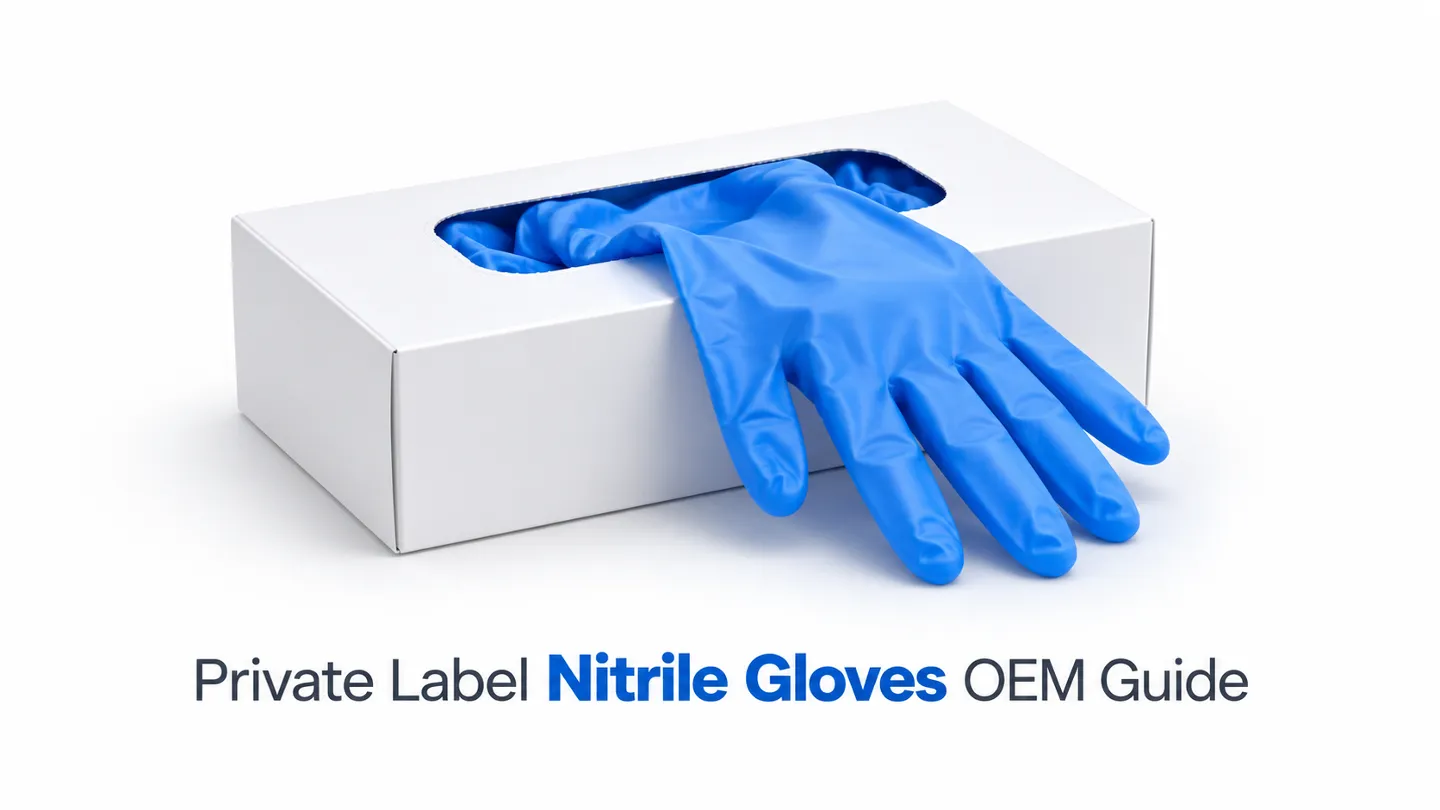
1. Nitrile Gloves: The Universal Standard
Nitrile is a synthetic rubber that has largely replaced latex across multiple industries. It offers superior puncture resistance and excellent protection against a wide range of harsh chemicals, oils, and solvents.
- Best For: Medical exams, automotive repair, heavy-duty cleaning, and handling chemicals.
- The Allergy Advantage: Because nitrile is 100% latex-free, it eliminates the risk of Type I latex allergies among your staff and customers, making it the safest universal choice for any business.
2. Latex Gloves: The Traditional Choice
Latex is made from natural rubber and offers unmatched elasticity, comfort, and tactile sensitivity. It fits like a second skin.
- Best For: Intricate medical procedures, dental work, and tasks requiring maximum dexterity.
- The Drawback: Latex allergies are a serious concern. Many businesses are moving away from latex entirely to avoid liability and ensure a safe environment for all employees and clients.
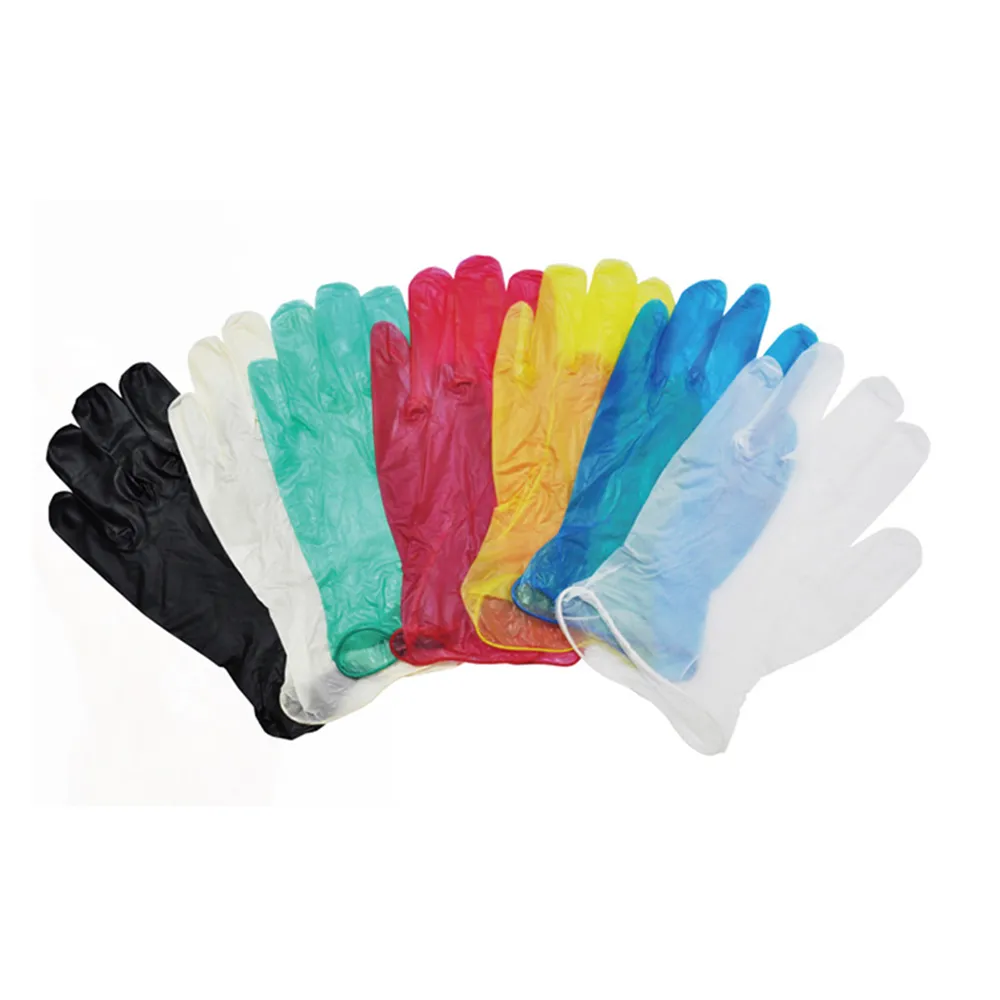
3. Vinyl (PVC) Gloves: The Budget Option
Vinyl gloves are made from polyvinyl chloride. They are a low-cost, latex-free option that provides a looser fit.
- Best For: Short-term, low-risk tasks like light janitorial work, hair dyeing, or basic food handling.
- The Drawback: Vinyl has very low puncture resistance and poor elasticity. It can also easily tear if snagged.
4. TPE & EVA Gloves: The Smart Vinyl Alternative
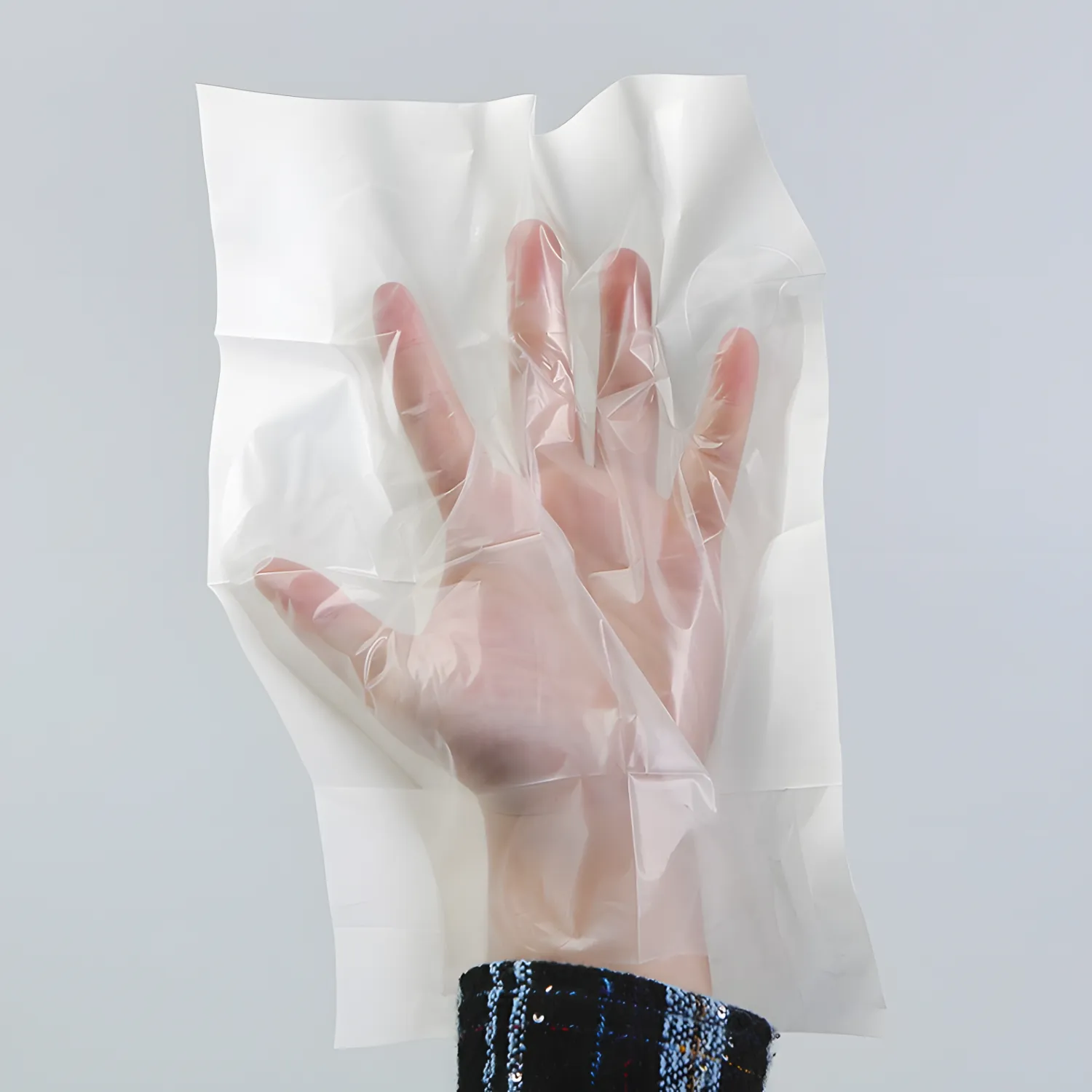
Thermoplastic Elastomer (TPE) and Ethylene Vinyl Acetate (EVA) gloves are hybrid materials that are revolutionizing the food service industry.
- The Superior Upgrade: TPE and EVA gloves are stretchier, softer, and more durable than standard Poly (PE) gloves, yet they remain highly cost-effective. They offer a much better fit than rigid Vinyl gloves and are vastly superior for the environment.
- Best For: High-volume food preparation, bakeries, delis, and light cleaning. If your business is currently using Vinyl for food prep, upgrading to TPE/EVA will save you money while providing your staff with a more comfortable, better-fitting glove.
Step 4: Thickness and Texture Considerations
Finally, consider the physical attributes required for the task:
- Thickness (Mils):
- < 3 Mils: Ultra-thin for maximum tactile sensitivity and frequent changes (ideal for food prep).
- 3 to 5 Mils: Standard thickness for medical exams and general industrial tasks.
- > 6 Mils: Heavy-duty thickness for rigorous tasks like automotive repair or heavy chemical handling.
- Texture: Look for gloves with micro-roughened fingertips or fully textured surfaces if your employees handle wet, slippery tools or delicate medical instruments.
Conclusion
Choosing the right disposable gloves requires matching the material and grade to the specific hazards of your workplace. To future-proof your procurement: Nitrile is the ultimate choice for heavy-duty and medical tasks, while TPE/EVA hybrids offer the best cost-to-performance ratio for food service and light duties.
Are you looking to place a wholesale order for your business? Contact Damao Tech today to request bulk pricing and samples of our premium Nitrile and TPE/EVA disposable gloves!