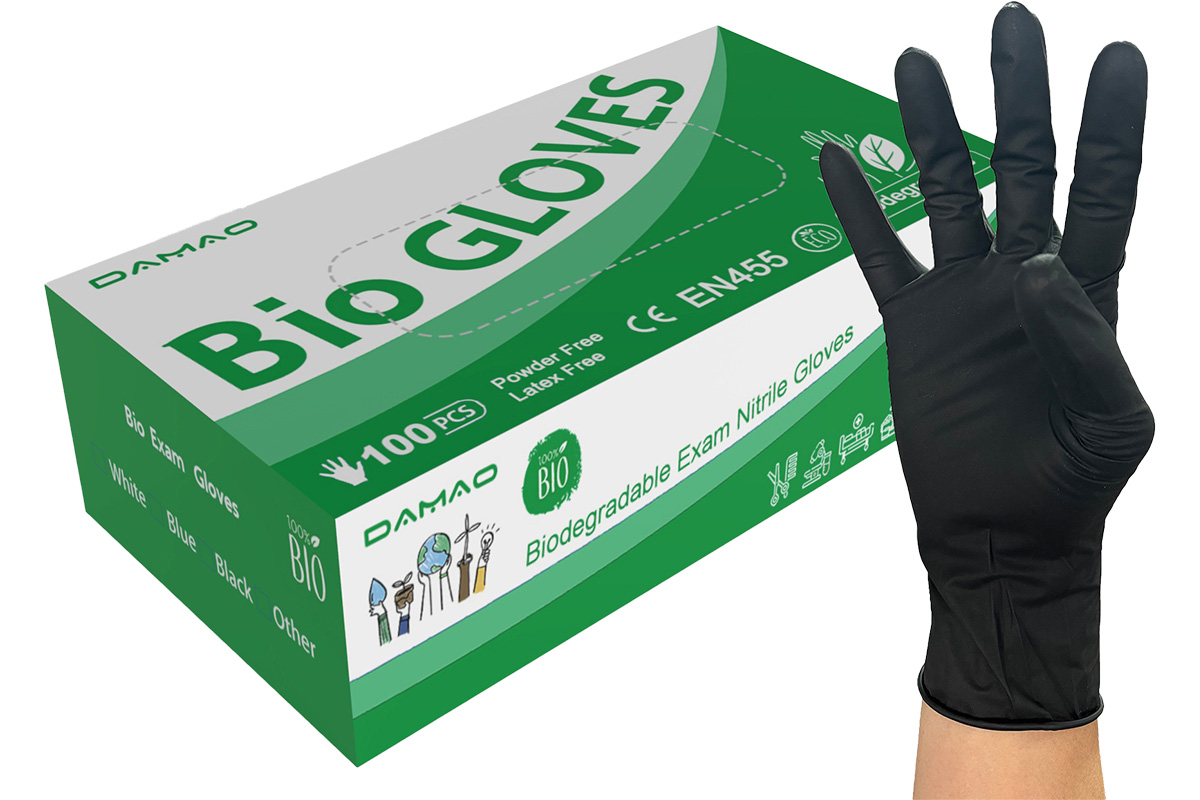
TPU Gloves: The Pinnacle of Protection and Sustainability
- Damao Tech
- Gloves
- 02 Apr, 2024
For years, nitrile and vinyl have dominated the disposable glove market. However, Thermoplastic Polyurethane (TPU) gloves are rapidly emerging as a superior alternative. They offer an exceptional balance of durability, user comfort, and environmental sustainability that traditional materials struggle to match.
What Are TPU Gloves?
Thermoplastic Polyurethane (TPU) is an advanced polymer characterized by high elasticity and tensile strength. TPU gloves combine the physical flexibility of natural rubber with the mechanical resilience of plastic, delivering high-performance protection for demanding work environments.
(Important Distinction: When searching for “TPU gloves,” it is crucial to differentiate between disposable TPU gloves—the focus of this article—and PU-coated work gloves. PU-coated gloves are textile or knit gloves dipped in polyurethane resin, used primarily for mechanical grip in electronics and assembly, whereas disposable TPU gloves provide a complete fluid and contaminant barrier.)
The Key Advantages of Choosing TPU
TPU gloves aren’t just another option; they are a significant structural upgrade over standard disposable gloves. Here’s a closer look at what makes them stand out:
Superior Comfort and Tactile Sensitivity
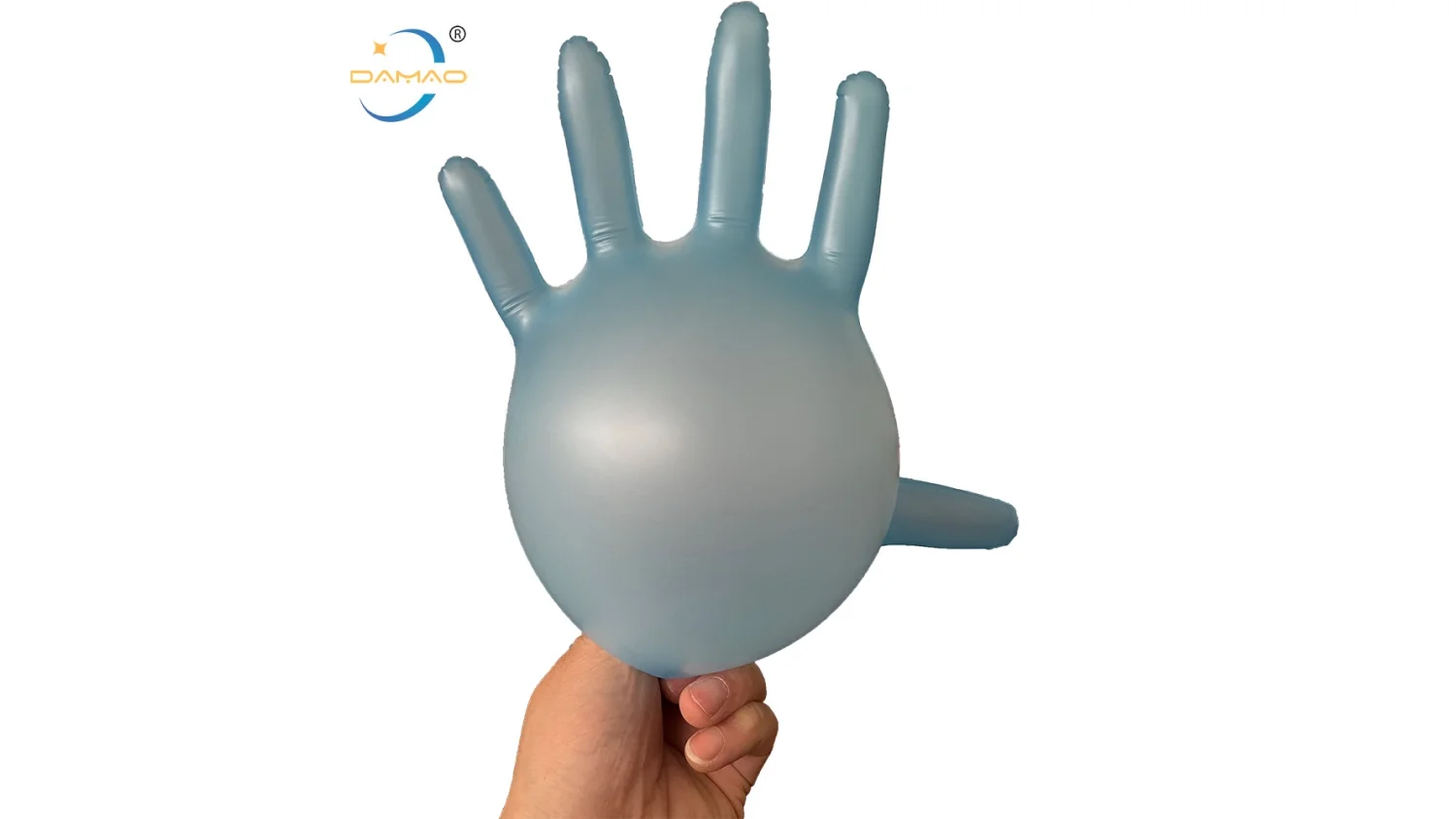
TPU’s high stretch and rebound properties allow the gloves to conform closely to the shape of your hand, reducing hand fatigue during extended use. Unlike standard nitrile gloves which can occasionally restrict movement, TPU remains highly flexible, ensuring precise tactile feedback for delicate tasks.
High Puncture and Tear Resistance
TPU gloves provide a highly reliable physical barrier. Their outstanding puncture and tear resistance outperforms traditional vinyl and rivals premium nitrile. This durability is critical for preventing cross-contamination and injuries in high-risk environments like healthcare, food processing, and light manufacturing.
A Sustainable and Recyclable Material
Unlike PVC-based vinyl gloves that release harmful toxins upon disposal, or nitrile gloves which are difficult to break down, TPU is fully recyclable. Integrating TPU gloves into your procurement strategy helps reduce landfill waste and supports corporate sustainability goals. You can learn more about the environmental advantages of disposable TPU gloves here.
Extreme Temperature Tolerance
Unlike standard plastics that become rigid and brittle in cold environments or overly soft in the heat, TPU maintains its performance, flexibility, and structural integrity across a wide range of extreme temperatures.
TPU vs. Nitrile vs. Vinyl vs. TPE: A Clear Comparison
How do TPU gloves stack up against the old favourites and cheaper alternatives like TPE (Thermoplastic Elastomer)? This table breaks it down:
| Feature | TPU Gloves | Nitrile Gloves | Vinyl Gloves | TPE Gloves |
|---|---|---|---|---|
| Comfort & Fit | Excellent, form-fitting and flexible. | Good, but can be restrictive. | Loose and less sensitive. | Loose, baggier fit. |
| Puncture Resistance | Superior | Very Good | Poor | Moderate |
| Eco-Friendliness | Recyclable, highly sustainable. | Difficult to recycle. | Environmentally harmful (PVC). | Recyclable. |
| Allergen Profile | Latex-free, accelerator-free. | Latex-free, but accelerators can cause allergies. | Latex-free. | Latex-free. |

Frequently Asked Questions (FAQ)
Are TPU gloves safe for food handling?
Yes. High-quality TPU gloves are certified for food contact and meet stringent food safety standards. They are non-toxic and free of phthalates or plasticisers that could leach into food during preparation. (See our Food Safety Standards for TPU Gloves guide for more details).
Are TPU gloves hypoallergenic?
TPU gloves are an excellent latex-free alternative for users with sensitive skin. Because they are manufactured without the chemical accelerators typically used in nitrile glove production, they significantly reduce the risk of Type I and Type IV allergic contact dermatitis.
Are TPU gloves cost-effective?
Although the upfront cost of TPU may be slightly higher than basic vinyl, their extreme durability means fewer rips and fewer glove changes per shift. This extended usage life makes TPU a highly cost-effective and efficient solution for high-volume operations.
Ready to Upgrade Your Hand Protection?
Make the switch to a safer, more comfortable, and sustainable solution. Our team is here to help you find the perfect TPU gloves for your operational needs.