How to Cut EVA Foam Cleanly and Precisely

How to Cut EVA Foam Cleanly and Precisely

EVA foam is a remarkably versatile material, celebrated by cosplayers, product designers, and DIY enthusiasts for its lightweight, durable, and flexible properties. Whether you’re crafting intricate armor, designing custom case inserts, or prototyping a new product, one challenge remains universal: achieving a perfectly clean, smooth cut. A jagged or torn edge can undermine the professional finish of any project.

Fortunately, with the right tools, techniques, and a bit of know-how, anyone can master the art of cutting EVA foam. As a leading supplier of high-quality foam products, the team at Damao Tech understands that the foundation of a great project is great material and proper handling. This guide will walk you through everything you need to know to get flawless cuts every time.

It Starts with Quality: Why Your Foam Matters

Before we even pick up a blade, it’s important to recognize that the quality of your EVA foam itself plays a significant role in the cutting process. Lower-density or inconsistent foams are more prone to tearing and compressing under a blade. High-density, closed-cell EVA foam, like the premium panels and rolls offered by Damao Tech, provides a firm, consistent structure that resists tearing and allows for much cleaner, more precise cuts. When you start with a superior material, you set yourself up for a superior result.

The Essential Toolkit for Cutting EVA Foam

Your choice of tool will depend on the thickness of the foam and the complexity of your design. Here are the most effective options, from basic to advanced.

1. The Utility or Craft Knife

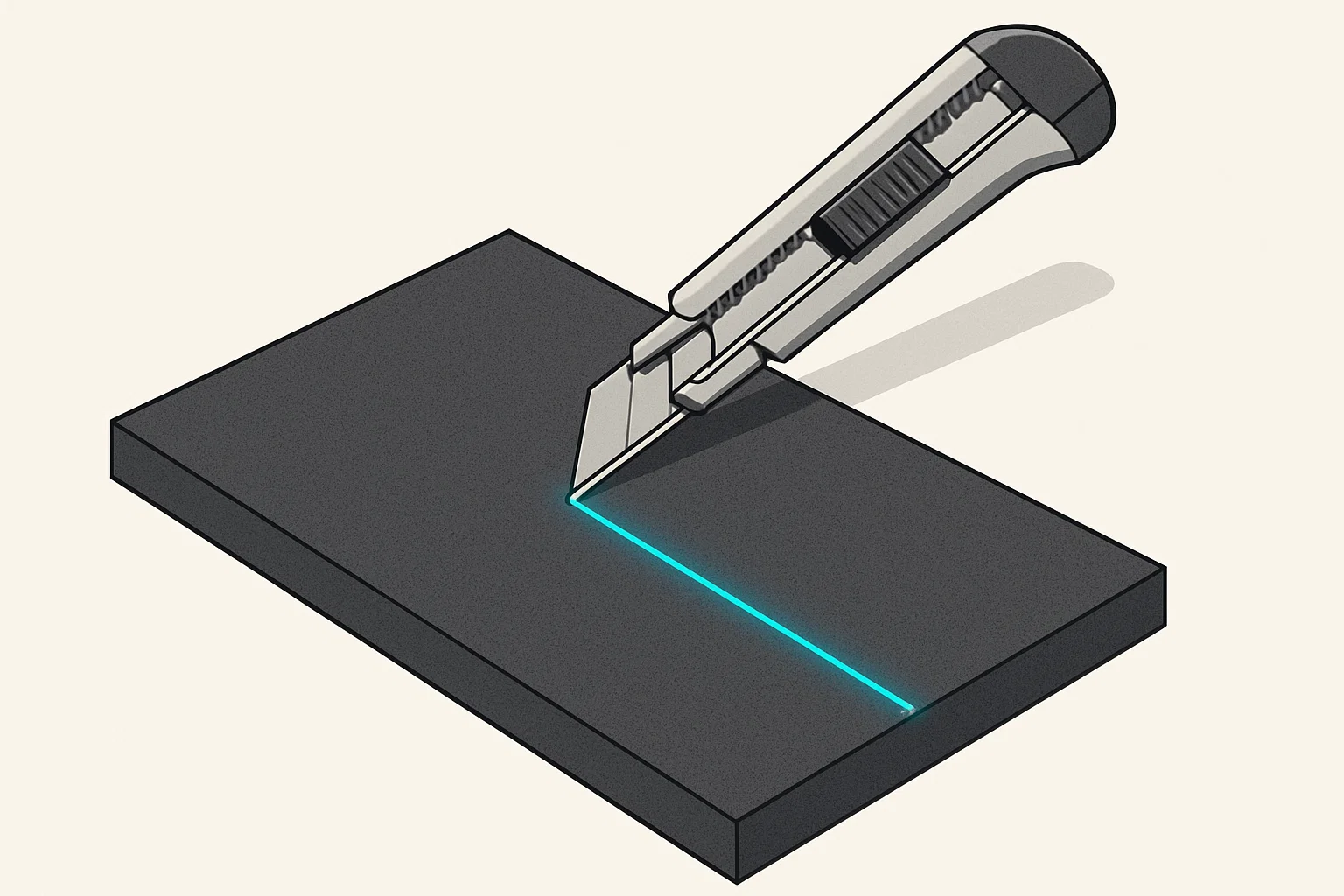
This is the most common and accessible tool. For clean cuts, the blade must be extremely sharp.

  • Best for: Straight lines, gentle curves, foam up to 10mm thick.

  • Pro Tip: Use a snap-off utility knife. As soon as you feel the blade dragging or snagging, snap off the old segment to reveal a fresh, sharp tip. Don’t try to force a dull blade—it will only tear the foam.

2. The Hot Knife

A hot knife is a game-changer for many crafters. It uses heat to melt through the foam, resulting in an incredibly smooth, sealed edge.

  • Best for: Smooth curves, intricate shapes, and preventing fraying.

  • Safety First: Always work in a well-ventilated area and wear a respirator mask, as melting foam can release fumes. Never leave a hot knife unattended.

3. The Scroll Saw or Bandsaw

For those tackling very thick EVA foam sheets or needing to cut multiple layers at once, a power saw is the most efficient tool.

  • Best for: Thick foam (20mm+), repetitive shapes, and bulk cutting.

  • Pro Tip: Use a blade with a high tooth count for a smoother finish. Run the saw at a high speed to ensure the blade cuts through the foam cleanly rather than grabbing and stretching it.

4. Laser Cutting

For ultimate precision and complex, detailed designs, nothing beats a laser cutter. It can execute intricate patterns with perfectly sealed edges in seconds.

  • Best for: Commercial applications, intricate logos, and designs with tight tolerances. Many businesses rely on suppliers like Damao Tech to provide foam that is consistent and optimized for laser cutting applications.

Step-by-Step: Techniques for a Flawless Cut

Having the right tool is only half the battle. Your technique is what will truly elevate your work.

  1. Mark Your Lines Clearly: Use a silver pen or fine-point marker that stands out against the foam. Press lightly to avoid creating a groove that your blade might follow incorrectly.

  2. Use a Cutting Mat and a Straight Edge: Always cut on a self-healing cutting mat to protect your work surface and your blade. For straight lines, use a sturdy metal ruler as a guide. Hold it down firmly to prevent it from slipping.

  3. Master the “Multiple Pass” Method: This is the single most important technique. Instead of trying to cut through the foam in one deep pass, use several shallow ones.

    • First Pass: Score the line with light pressure. This creates a guide channel for your blade.

    • Subsequent Passes: Follow the scored line, applying slightly more pressure with each pass until you are cleanly through the foam. This method prevents the blade from twisting and eliminates tearing.

  4. Angle Your Blade: For a standard butt joint, keep your blade at a perfect 90-degree angle to the foam. For beveled edges, consistently maintain a 45-degree angle. Angle guides can be a huge help here.

  5. Tackle Curves with Care: When cutting curves, move the EVA foam piece into the blade, rather than trying to turn the knife. This gives you more control and results in a smoother, more natural arc.

Finishing Touches: How to Get Smooth Edges

Even with a clean cut, you can further refine your edges. Gently use a high-grit sandpaper or a rotary tool with a sanding drum to smooth out any minor imperfections. A quick pass with a heat gun can also help seal the foam’s pores for a glass-smooth finish.

Damao Tech: Your Partner in Precision Projects

The success of any project is built on a foundation of quality materials and expert knowledge. At Damao Tech, we not only provide a diverse range of EVA foam panels, rolls, and finished items, but we also empower our clients with the expertise to get the most out of them. By choosing our consistent, high-density foam, you’re already one step closer to achieving that clean, professional cut you’re looking for.

Ready to start your next project with the best materials on the market? Explore our full range of high-performance EVA Foam or contact our team for expert advice.

Frequently Asked Questions (FAQ)

1. What is the best tool for an absolute beginner cutting EVA foam?
For a beginner, a sharp snap-off utility knife is the best starting point. It’s affordable, accessible, and an excellent tool for learning the fundamental “multiple pass” technique on foam sheets of 10mm thickness or less.

2. How do I stop my knife from tearing the foam, especially on corners?
Tearing is almost always caused by a dull blade or too much pressure. Ensure your blade is brand new or freshly snapped. Use the multiple-pass method and let the sharpness of the blade do the work instead of forcing it. For sharp corners, cut past the corner on both lines and let the small piece fall out, rather than trying to pivot the blade at the point.

3. Can I cut very thick EVA foam (over an inch) at home?
Yes, but a utility knife becomes less effective. For thick foam, a bandsaw or scroll saw is ideal. If you must use a knife, select a long, sturdy blade (not a snap-off) and be prepared to make many shallow passes. Patience is key.

4. Does the density of the EVA foam really make a difference in cutting?
Absolutely. Higher-density foam, like the grades supplied by Damao Tech, has a tighter cell structure. This provides more resistance and support against the blade, preventing the compression and tearing common with soft, low-density foam. It allows for sharper details and cleaner edges.

Ready to Create with Confidence?

Don’t let poor cuts hold your project back. Start with the industry’s best materials and put these expert techniques to use.

Contact Damao Tech Today to Request a Quote or to discuss your specific EVA foam needs with our specialists!


Tags :
Share :

Similar Posts

EVA Foam for Marine Applications: Durability and Safety Standards

EVA Foam for Marine Applications: Durability and Safety Standards

EVA Foam for Marine Applications: Durability and Safety Standards The marine environment presents some of the most challenging conditions for industrial materials, requiring resistance to high UV e

Read More
Specifying Marine EVA Foam: A Procurement Guide for Boat Owners and Manufacturers

Specifying Marine EVA Foam: A Procurement Guide for Boat Owners and Manufacturers

Specifying Marine EVA Foam: A Procurement Guide for Manufacturers Selecting the right marine decking material involves more than just choosing a color. For boat manufacturers and commercial vessel

Read More
Comparing TPU with Plastics in Automotive, Footwear, Medical

Comparing TPU with Plastics in Automotive, Footwear, Medical

Thermoplastic polyurethane (TPU) stands out among other commonly used plastics due to its unique combination of properties. In this article, we will compare TPU with other plastics commonly used in th

Read More
Custom EVA Foam Fabrication Services: The Complete Guide

Custom EVA Foam Fabrication Services: The Complete Guide

Custom EVA Foam Fabrication Services Guide Our custom EVA foam fabrication services transform technical material data into application-specific components for industrial and consumer markets. B

Read More
Custom EVA Foam Inserts Guide: Design and Tool Box Organization

Custom EVA Foam Inserts Guide: Design and Tool Box Organization

Custom EVA Foam Inserts Guide: Design for Tool Boxes and Cases Transporting expensive equipment without proper internal support leads directly to broken tools and chipped edges. This guide explains

Read More
Dicumyl Peroxide (DCP) in EVA Foam: Crosslinking & Curing

Dicumyl Peroxide (DCP) in EVA Foam: Crosslinking & Curing

Dicumyl Peroxide (DCP) in EVA Foam This technical guide to Dicumyl Peroxide (DCP) in EVA foam analyzes the chemical crosslinking process that defines the material's final physical properties. P

Read More
What are the Disadvantages of EVA Foam? An Honest Buyer’s Guide

What are the Disadvantages of EVA Foam? An Honest Buyer’s Guide

What are the Disadvantages of EVA Foam? An Objective Analysis Ethylene-Vinyl Acetate (EVA) is widely celebrated for its lightweight cushioning and versatility. However, as an industry-leading m

Read More
Disposable Glove Management Guide: Safety & Cost Savings

Disposable Glove Management Guide: Safety & Cost Savings

Disposable Glove Management Guide This disposable glove management guide provides a framework to balance worker safety with operational efficiency. Managing glove supplies effectively prevents

Read More
Equine Balance Pads in EVA Foam for Horse Rehab and Stability

Equine Balance Pads in EVA Foam for Horse Rehab and Stability

Equine balance pads are widely used in horse rehabilitation, stability training, and conditioning because they create a controlled unstable surface that encourages small postural adjustments. When the

Read More
EVA Foam Density Explained: Meaning, Chart, and Selection

EVA Foam Density Explained: Meaning, Chart, and Selection

EVA Foam Density Explained: Meaning, Chart, and Selection Purchasing foam based solely on surface hardness results in rapid material failure under heavy loads. This guide explains perfectly what **

Read More
EVA Foam Density & Hardness: Shore A, C, and 00 Guide

EVA Foam Density & Hardness: Shore A, C, and 00 Guide

EVA Foam Density & Hardness Guide This technical guide to EVA foam density and hardness provides the framework needed for precise material selection. Understanding the mechanical differences be

Read More
EVA Foam for Gaskets and Seals: Selection & Performance

EVA Foam for Gaskets and Seals: Selection & Performance

EVA Foam for Gaskets and Seals This guide to EVA foam for gaskets and seals analyzes the physical properties that drive industrial sealing performan

Read More
EVA Foam Engineering: Technical Considerations for Product Designers

EVA Foam Engineering: Technical Considerations for Product Designers

EVA Foam Engineering: Technical Considerations for Product Designers For product designers and industrial engineers, selecting the correct foam material requires an analysis of mechanical propertie

Read More
EVA Foam Manufacturing Process: From Polymer Resin to Finished Sheets

EVA Foam Manufacturing Process: From Polymer Resin to Finished Sheets

EVA Foam Manufacturing Process: From Polymer Resin to Finished Sheets The production of high-performance Ethylene-Vinyl Acetate (EVA) foam is a multi-stage chemical and mechanical process that requ

Read More
EVA Foam Pricing Guide: Factors Driving Industrial Manufacturing Costs

EVA Foam Pricing Guide: Factors Driving Industrial Manufacturing Costs

EVA Foam Pricing Guide: Factors Driving Industrial Manufacturing Costs For procurement managers and product designers, understanding the pricing structure of Ethylene-Vinyl Acetate (EVA) foam is es

Read More
EVA Foam for Protective Packaging: Benefits & Custom Solutions

EVA Foam for Protective Packaging: Benefits & Custom Solutions

EVA Foam for Protective Packaging This guide to EVA foam for protective packaging analyzes why this material is the industry standard for safeguardi

Read More
EVA Foam Sheets Technical Guide: Understanding Density, Hardness, and Quality

EVA Foam Sheets Technical Guide: Understanding Density, Hardness, and Quality

Whether you are an engineer designing shock-absorbing industrial pads, a footwear manufacturer looking for the perfect midsole, or a creative professional building intricate props, the success of your

Read More
Industrial and Commercial Applications of EVA Foam: A Technical Overview

Industrial and Commercial Applications of EVA Foam: A Technical Overview

Industrial and Commercial Applications of EVA Foam: A Technical Overview Ethylene-Vinyl Acetate (EVA) foam's versatility is a result of its unique molecular structure, which combines the flexibilit

Read More
EVA vs PE Foam: A Complete Comparison Guide

EVA vs PE Foam: A Complete Comparison Guide

EVA vs PE Foam: A Complete Comparison Guide Selecting the wrong closed-cell foam causes immediate performance drop-offs and blown material budgets. This comprehensive guide compares **EVA vs PE foa

Read More
How to Glue EVA Foam: Complete Adhesive Guide

How to Glue EVA Foam: Complete Adhesive Guide

How to Glue EVA Foam: Complete Adhesive Guide Attempting to bond closed-cell polymers with standard household glues causes immediate seam failure. This guide explains perfectly how to glue EVA foam

Read More
How to Make Foam Armor: The Ultimate Guide Using Professional EVA Foam

How to Make Foam Armor: The Ultimate Guide Using Professional EVA Foam

How to Make Foam Armor: A Professional Guide to Fabrication Creating movie-quality armor is a blend of artistry and material science. The secret held by professional prop makers isn't just skill—it

Read More
How to Specify Custom EVA Foam: A Technical Guide

How to Specify Custom EVA Foam: A Technical Guide

How to Specify Custom EVA Foam Requirements This guide on how to specify custom EVA foam requirements helps procurement managers provide the technical data needed for accurate manufacturing. Ef

Read More
Product Update: Introducing Our New Foldable Yoga Mats, Smart Jump Ropes & Foam Rollers

Product Update: Introducing Our New Foldable Yoga Mats, Smart Jump Ropes & Foam Rollers

Introduction We are excited to announce a major update to our best-selling fitness lineup. At Damao Tech, we understand that fitness gear is more than just equipment—it is a lifestyle statement.

Read More
Private Label Manufacturing for Equestrian Brands: Build a Custom Stability Pad Line

Private Label Manufacturing for Equestrian Brands: Build a Custom Stability Pad Line

If you want to grow your equestrian brand without building a factory, private label manufacturing gives you a practical way to launch a custom stability pad line with less risk. The right factory

Read More
Reaching Further for Safety & Hygiene: Your Essential Guide to Disposable Veterinary Long Arm Exam Gloves

Reaching Further for Safety & Hygiene: Your Essential Guide to Disposable Veterinary Long Arm Exam Gloves

Hey there, fellow animal care pros! đź‘‹ Whether you're a seasoned veterinarian, a dedicated vet tech, a student learning the ropes, or even a farmer managing livestock health, you understand that veter

Read More
Safe EVA Foam for Children's Toys & Play Mats: Standards, Durability & Design Tips

Safe EVA Foam for Children's Toys & Play Mats: Standards, Durability & Design Tips

Ethylene-Vinyl Acetate (EVA) foam is a highly flexible, shock-absorbing copolymer widely used in nurseries, schools, and playrooms. Parents and manufacturers prioritize this material because it provid

Read More
Shoulder Length Plactic Gloves with Elastic Band Cuff

Shoulder Length Plactic Gloves with Elastic Band Cuff

Introduction: Shoulder length plastic gloves have become increasingly popular in a variety of industries and professions, such as veterinary medicine, food service, and industrial settings. These

Read More
Specifying EVA Foam Sheets & Rolls

Specifying EVA Foam Sheets & Rolls

Unlock the Potential: Specifying Your Ideal EVA Foam Ethylene-Vinyl Acetate (EVA) foam is a remarkably versatile material, prized for its soft, flexible, yet du

Read More
Sustainable Custom EVA Foam for Yoga Props: Eco-Friendly Options for High-End Brands

Sustainable Custom EVA Foam for Yoga Props: Eco-Friendly Options for High-End Brands

High-end yoga brands face a persistent challenge: balancing product performance with environmental responsibility. Advanced manufacturing techniques now allow brands to produce sustainable EVA yoga pr

Read More
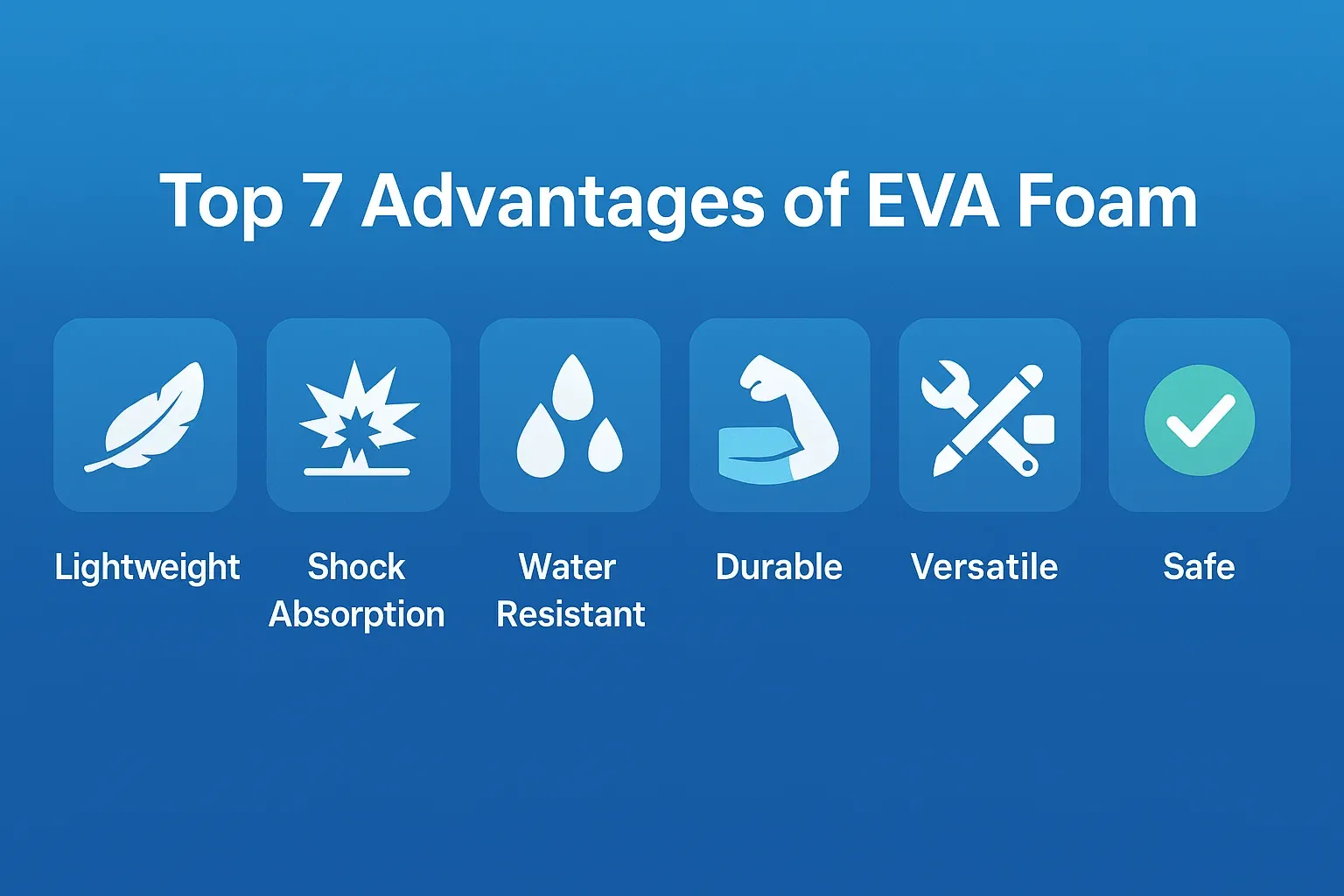
7 Key Advantages of EVA Foam for Industrial Manufacturing

7 Key Advantages of EVA Foam for Industrial Manufacturing

7 Key Advantages of EVA Foam for Industrial Manufacturing Ethylene-Vinyl Acetate (EVA) foam has established itself as a critical material in the global manufacturing supply chain. Its unique combin

Read More
Veterinary shoulder length Gloves

Veterinary shoulder length Gloves

Introduction Shoulder length plastic gloves, a staple in various industries such as veterinary medicine, food service, and industrial settings, have seen a surge in popularity. These gloves are de

Read More
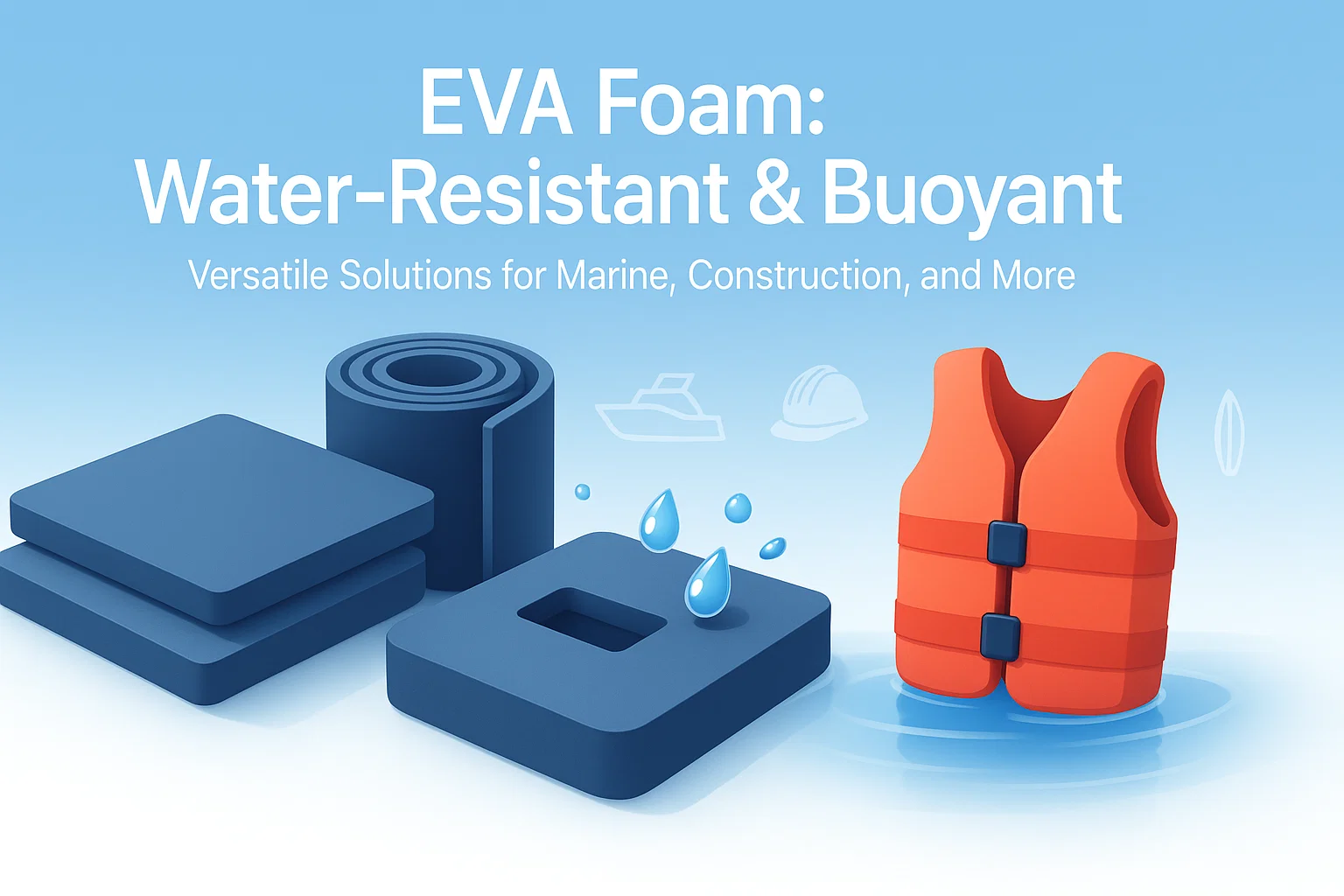
Water Resistance and Buoyancy of EVA Foam: Properties and Applications

Water Resistance and Buoyancy of EVA Foam: Properties and Applications

EVA foam, or Ethylene-Vinyl Acetate foam, is a versatile, lightweight, and durable material widely used across industries for its exceptional water resistance and buoyancy. Whether you're a manufactur

Read More
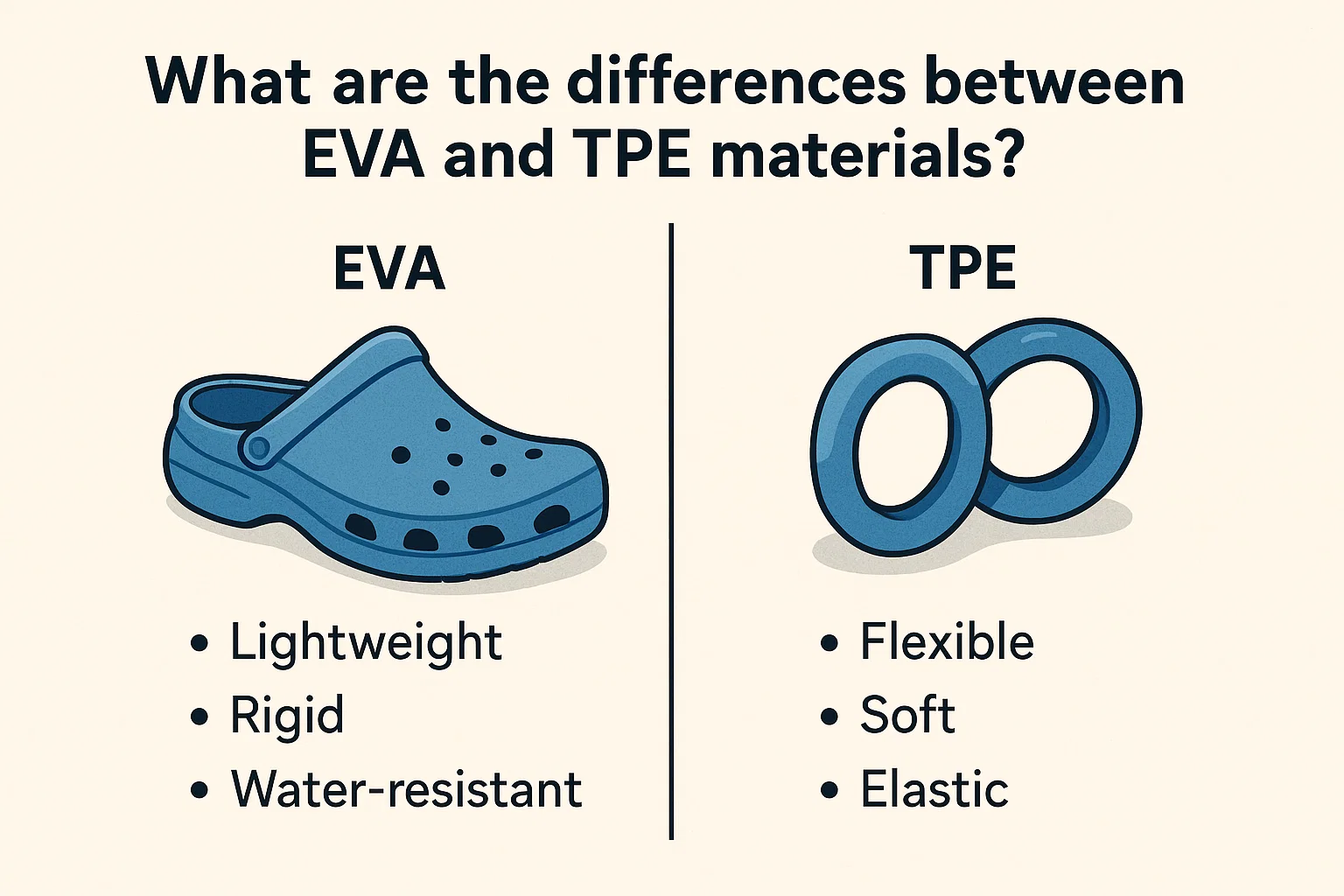
What are the differences between EVA and TPE materials?

What are the differences between EVA and TPE materials?

EVA vs. TPE: Which Material is Best for Your Next Project? Choosing the right material can make or break your product's performance, durability, and market appeal. In the world of polymers, **EVA (

Read More
What is EVA Foam? Properties, Manufacturing, and Industrial Applications

What is EVA Foam? Properties, Manufacturing, and Industrial Applications

What is EVA Foam? Technical Properties and Manufacturing Guide Ethylene-Vinyl Acetate (EVA) foam is a closed-cell elastomeric polymer known for its exceptional stress-crack resistance, low-temperat

Read More
What is a Disposable Plastic Gloves Machine?

What is a Disposable Plastic Gloves Machine?

In sectors where hygiene and safety are paramount, such as healthcare, food service, and cleanroom environments, disposable gloves are an indispensable part of daily operations. But have you ever paus

Read More
What is EVA Foam? Complete Technical Materials Guide

What is EVA Foam? Complete Technical Materials Guide

What is EVA Foam? Complete Technical Materials Guide Industrial manufacturers frequently struggle to source structural materials that combine heavy shock absorption with absolute waterproofing. Thi

Read More
What is EVA Foam Padding? Material Definition and Guide

What is EVA Foam Padding? Material Definition and Guide

What is EVA Foam Padding? Material Definition and Guide Manufacturers struggle to find lightweight padding that blocks heavy kinetic impacts without absorbing water. This guide explains exactly wha

Read More
Yoga Roller

Yoga Roller

[vc_row][vc_column width="1/1"][vc_column_text]A yoga roller, also known as a foam roller, is a cylindrical tool made from high-density foam used for self-massage, muscle recovery and improv

Read More