Specifying Marine EVA Foam: A Procurement Guide for Boat Owners and Manufacturers
- Damao Tech
- EVA Foam
- 19 Oct, 2025
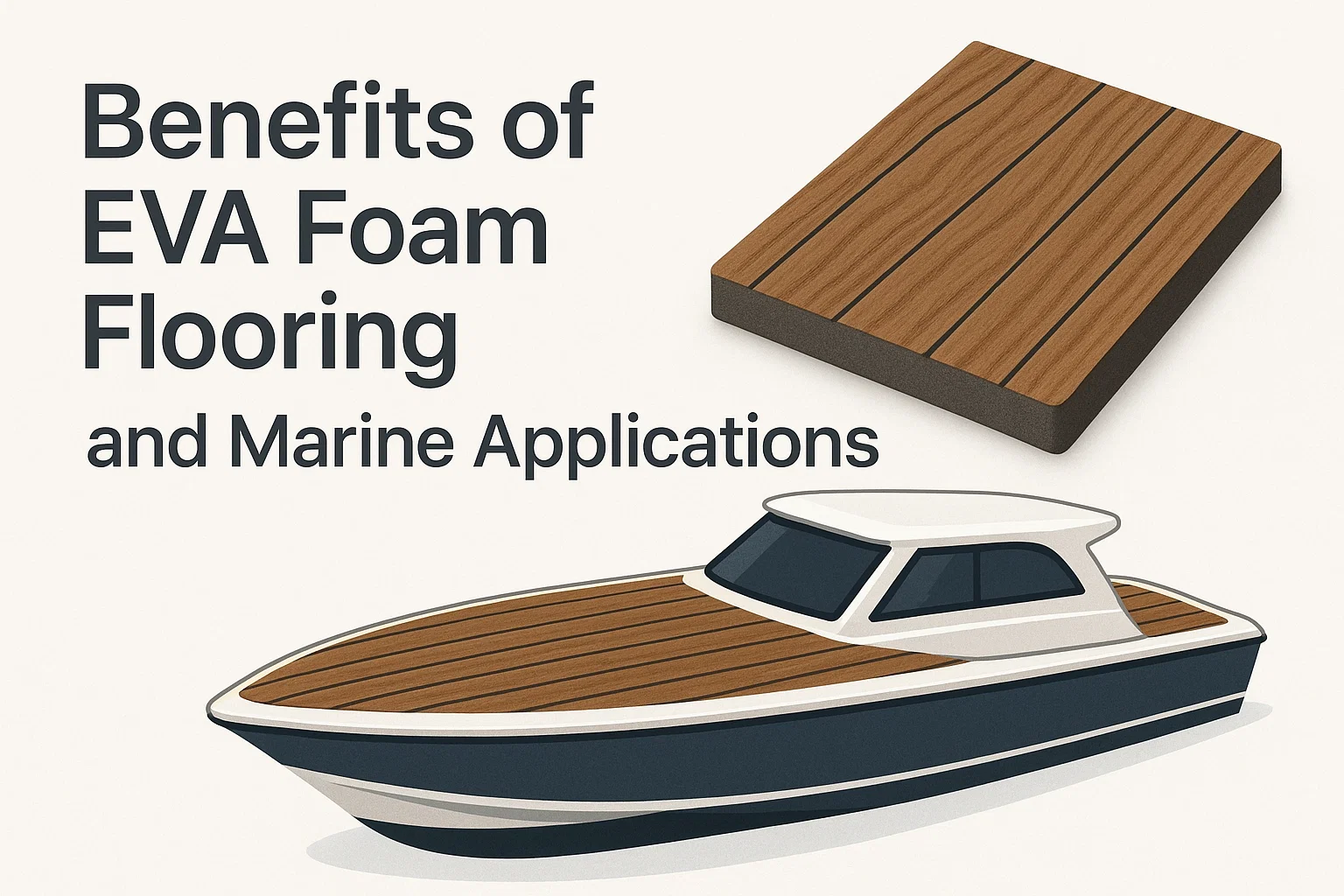
Selecting the right marine decking material involves more than just choosing a color. For boat manufacturers and commercial vessel operators, the foam must meet rigorous performance standards to ensure safety, durability, and long-term adhesion in harsh saltwater environments. This guide details the technical specifications required to procure high-quality marine-grade Ethylene-Vinyl Acetate (EVA) foam.
1. Selecting the Correct Shore C Hardness
The hardness of marine EVA foam determines both its comfort and its resistance to indentation from heavy equipment or high-heeled footwear.
- Soft Decking (45° – 50° Shore C): Provides maximum cushioning and comfort, ideal for leisure yachts and swim platforms where bare-foot traffic is primary.
- Industrial/Fishing Decking (55° – 65° Shore C): The industry standard for commercial and high-traffic vessels. This hardness level provides the best balance of traction and resistance to mechanical wear and compression set.
2. Density and Material Weight
Density directly impacts the foam’s structural integrity and its ability to resist tearing. For marine applications, a density of 150 kg/m³ to 180 kg/m³ is typically specified. High-density foam ensures that the textured surface (brushed or embossed) remains sharp and provides consistent anti-slip performance over years of use.
3. UV Resistance and Color Stability
Exposure to direct sunlight is the leading cause of polymer degradation in marine settings.
- ASTM G154 Testing: Professional-grade marine EVA should be tested according to ASTM G154 standards. Procurement managers should look for materials rated for 3,000+ hours of UV exposure without significant chalking or color shift.
- Dual-Layer Contrast: Many modern decks use a dual-layer design (e.g., a 3mm top layer over a 3mm base layer). Ensure both layers share identical UV resistance ratings to prevent uneven delamination or fading.
4. Adhesive Selection: The Critical Bond
The failure of marine decking is most often a result of adhesive breakdown rather than material wear.
- PSA (Pressure Sensitive Adhesive): Specify high-performance acrylic adhesives, such as 3M 9448A or 3M VHB, which are engineered for high-surface-energy (HSE) plastics and fiberglass.
- Temperature Range: The adhesive must maintain its bond strength at surface temperatures exceeding 80°C (176°F), which dark-colored decks can easily reach in tropical climates.
5. Texture and Traction Standards
The anti-slip properties of EVA foam are enhanced through surface processing:
- Brushed Finish: Provides a soft, teak-like aesthetic with excellent micro-traction.
- Embossed/Grooved: Offers deeper channels for water drainage, essential for self-bailing cockpits and high-wash areas.
- CNC Patterning: Allows for custom branding and precise drainage channels tailored to the vessel’s deck layout.
Summary
Successful procurement of marine EVA foam requires a balance of Shore hardness, UV stability, and high-performance adhesion. By specifying these technical parameters, boat manufacturers can ensure their decking provides a safe, durable, and premium experience for the end-user. Contact Damao Tech today to request technical data sheets and material samples for your next marine project.