Shoulder Length Plastic Gloves with Elastic Band Cuff
- Damao Tech
- Gloves , Veterinary
- 31 Jan, 2024
Shoulder-length plastic gloves, frequently referred to in the industry as veterinary OB (obstetric) gloves, have become an essential piece of personal protective equipment (PPE) across various demanding industries, from veterinary medicine and agriculture to food service and heavy-duty industrial settings. Designed to provide extended barrier protection that covers the entire arm up to the shoulder, these specialized gloves shield the wearer from hazardous fluids, contaminants, and harsh environments.
In this comprehensive guide, we will explore the advantages of long-arm plastic gloves, the specific benefits of EVA-infused veterinary gloves, and why they might be the perfect fit for your operational needs.
Why Choose Shoulder-Length Protection?
The primary advantage of shoulder-length plastic gloves is the extended arm coverage. Standard disposable gloves only protect the hands and wrists, leaving the forearms exposed. In many professions, this simply isn’t enough:
- Veterinary & Agricultural Use: Veterinarians and livestock handlers frequently perform deep examinations, pregnancy checks (palpation), artificial insemination, and calving or other birthing assistance. Long arm gloves prevent exposure to animal blood, bodily fluids, and zoonotic diseases. You can learn more about this in our guide to disposable veterinary long-arm exam gloves.
- Food Service & Processing: Workers handling hot liquids, deep fryers, or bulk food processing require protection against severe burns, frostbite, and cross-contamination.
- Field Dressing & Industrial Applications: Hunters often rely on these gloves for hygienic field dressing, while industrial environments involving chemical splashing, deep-vat cleaning, or handling hazardous materials require full-arm fluid barriers.
Beyond extended protection, these gloves are lightweight, easy to don and doff, and highly cost-effective, making them ideal for high-volume tasks requiring frequent changes.
The Role of EVA in Veterinary Long Gloves
When it comes to specialized applications like large animal examinations, standard plastic gloves can sometimes feel too rigid or tear too easily. This is where EVA (Ethylene-Vinyl Acetate) comes in.
If you are unfamiliar with this material, EVA foam and plastics are renowned for their incredible flexibility, softness, and tear resistance.
EVA-Infused Veterinary Gloves are designed specifically for customers who demand gloves that are simultaneously strong and soft.
- Optimal Thickness: To ensure durability when used internally on large animals (like cattle or horses), these gloves are manufactured with a strategic thickness (e.g., 0.04mm double thickness) to prevent accidental ruptures.
- Enhanced Tactile Sensitivity: Despite its strength, the EVA infusion ensures the material remains soft and pliable. This allows veterinarians to maintain the crucial tactile sensitivity required during delicate examinations or palpation.
- Broad Application: They are widely used in nursing, examination, farm management, and the livestock industry to protect against animal blood, water, oil, and dust. (Note: While excellent for examinations and insemination, they are not intended for sterile surgical procedures).
Key Features of Our Shoulder-Length Gloves
Our high-quality shoulder-length gloves are engineered for maximum performance and user comfort:
- Premium Durability: Made with a high-quality soft plastic formula infused with EVA, offering a comfortable, skin-like feel without compromising strength.
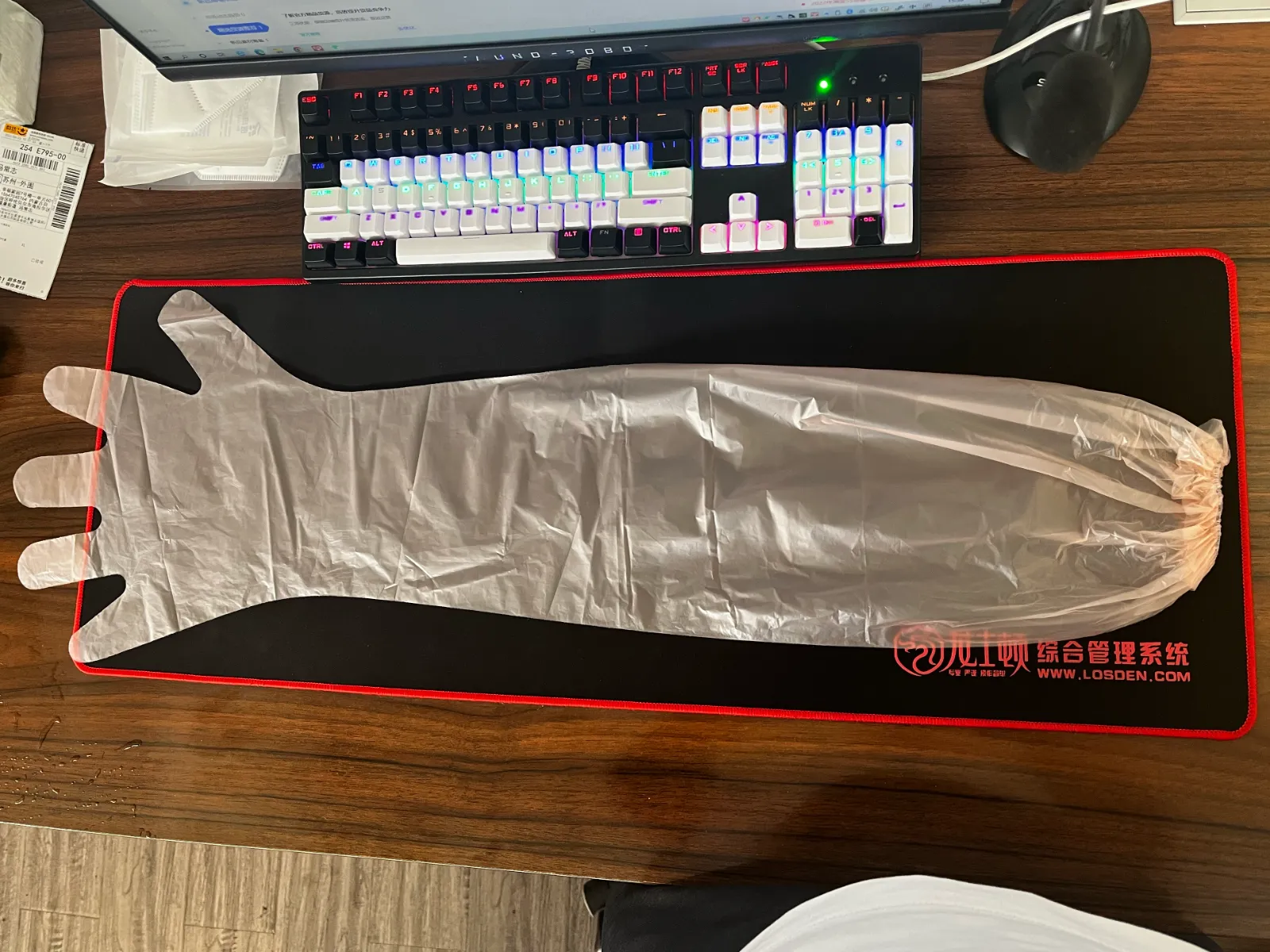
- Extended Coverage: Measuring 35 inches (90cm) in length, they easily cover the entire arm. The “One Size Fits Most” design provides ample room to wear standard examination gloves or thermal sleeves underneath.
- Elastic Band Cuff: The secure elastic cuff at the shoulder prevents the glove from sliding down during vigorous tasks, effectively solving the perforation and slippage problems common in cheaper alternatives.
- Multi-Purpose Utility: Perfect for cattle, buffalo, and equine artificial insemination, as well as industrial handling, deep cleaning, and painting.
Pro-Tip for Maximum Durability: For tasks requiring extreme durability without sacrificing sensitivity, many professionals recommend wearing a standard, tighter-fitting nitrile glove over the fingers of the veterinary OB glove. This prevents tearing at the fingertips while maintaining precision.
Standard Quality
- AQL 2.0: Meets rigorous acceptable quality limit standards for barrier integrity.
Packing Information
- 100 pieces per box
- 10 boxes per carton
OEM & Custom Manufacturing Services
We understand that different businesses have unique needs. We offer comprehensive OEM services including:
- Product design and material development
- Flexible and timely mass manufacturing
- Strict quality control and regulatory compliance
- Cost-effective solutions with product assurance
- Custom packaging and global shipment
- Dedicated technical support
Contact us for mass customization: info@damao-tech.com
P.S. We can fully customize the packaging dimensions and branding according to your exact requirements.