7 Key Advantages of EVA Foam for Industrial Manufacturing
- Damao Tech
- EVA Foam
- 14 May, 2025
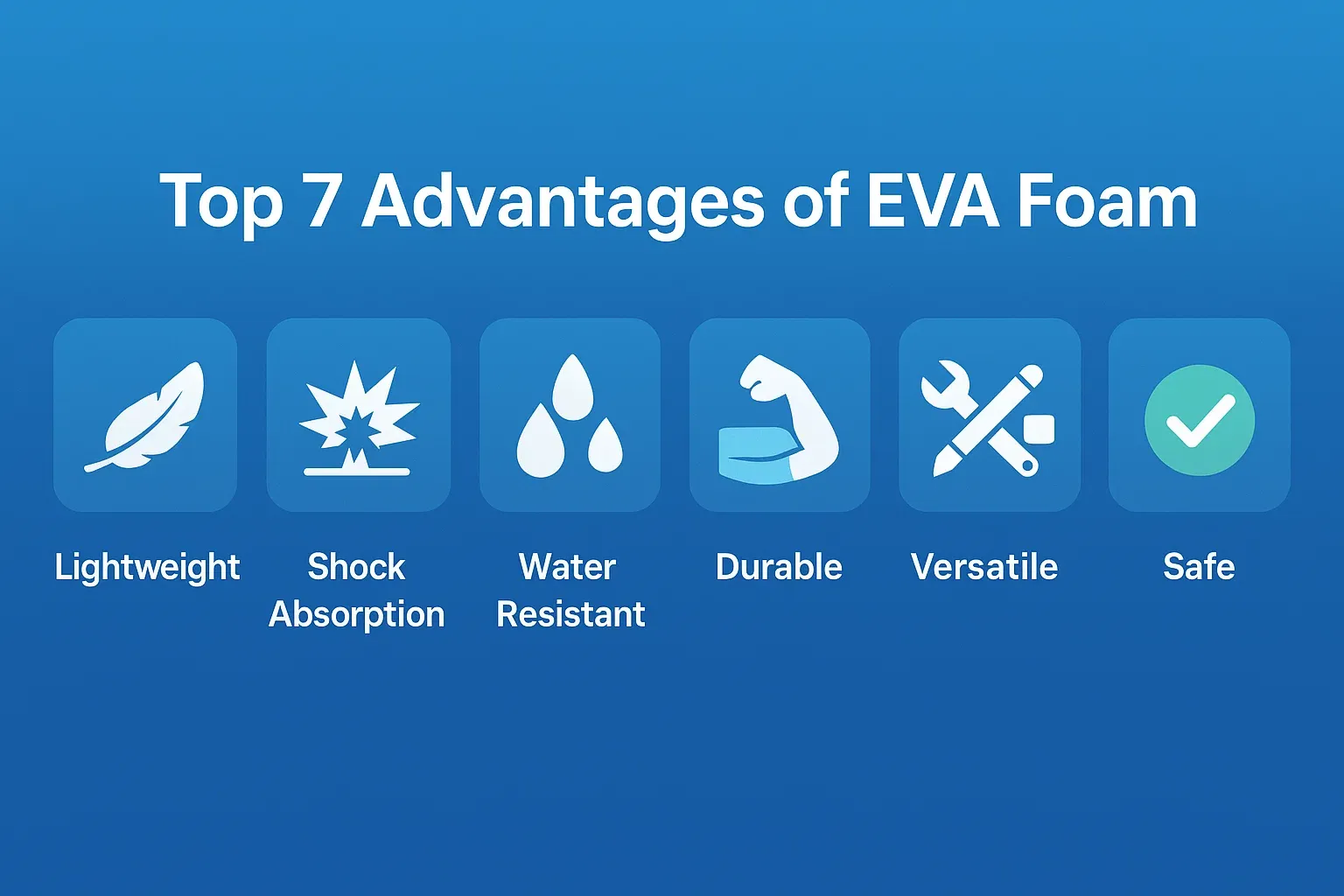
Ethylene-Vinyl Acetate (EVA) foam has established itself as a critical material in the global manufacturing supply chain. Its unique combination of elastomeric properties and thermoplastic processability allows it to outperform traditional rubbers and plastics in demanding environments. This article details the seven primary technical advantages that make EVA foam the preferred selection for industrial, automotive, and medical applications.
1. Superior Shock Absorption and Energy Return
EVA foam is an exceptional energy absorber. Its closed-cell structure consists of millions of microscopic, gas-filled pockets that compress under load to dissipate kinetic energy. This property is vital for protective equipment, high-performance footwear midsoles, and industrial vibration-dampening pads. Unlike open-cell foams, EVA provides consistent rebound and long-term resilience, maintaining its protective properties even after repeated impacts.
2. High Buoyancy and Low Water Absorption
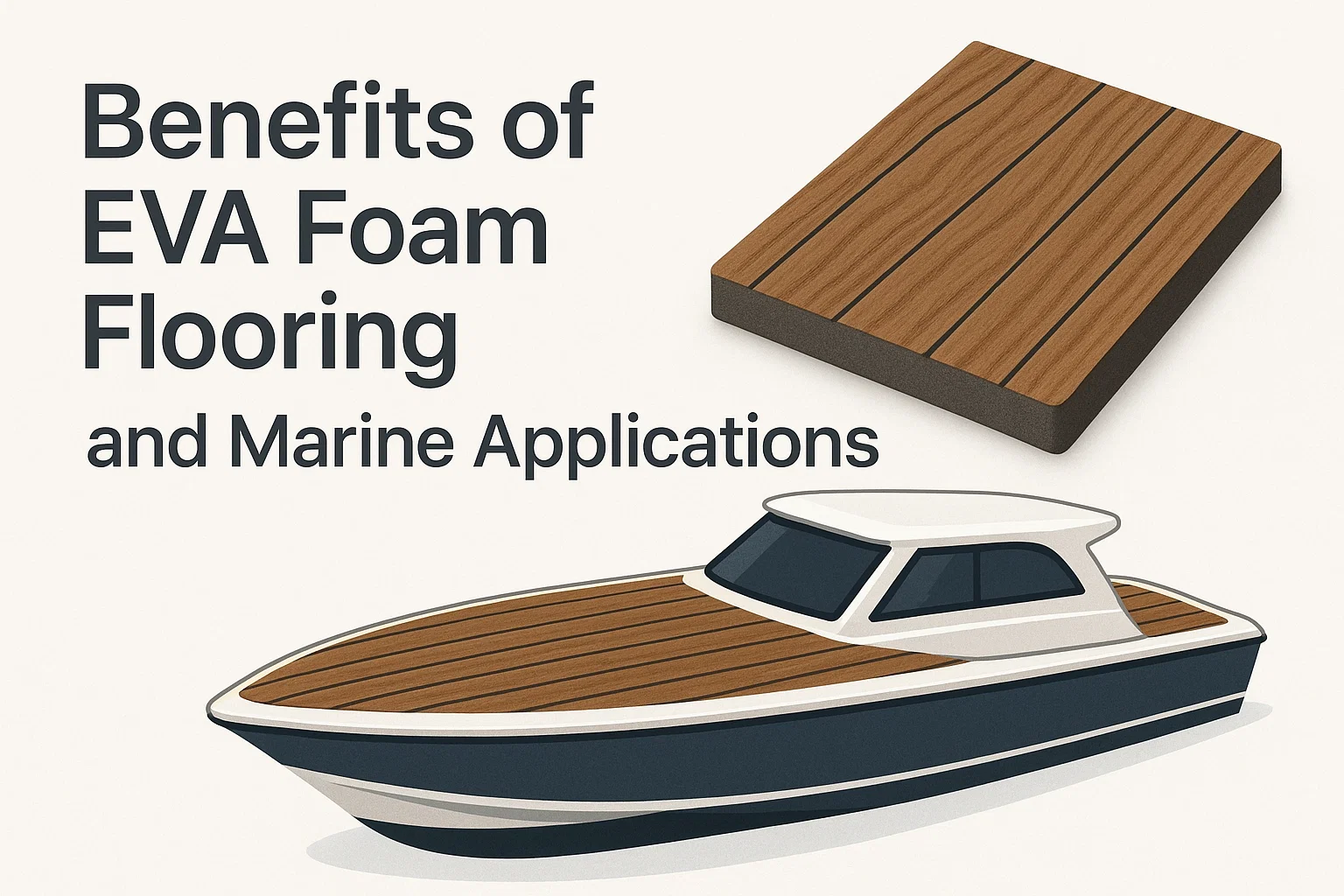
As a closed-cell material, EVA is inherently waterproof. It does not absorb moisture, which prevents the growth of mold, mildew, and bacteria. This moisture resistance, combined with its low density, provides excellent buoyancy. Consequently, EVA is the industry standard for marine fenders, life vests, and boat decking where reliable performance in wet environments is non-negotiable.
3. Exceptional Low-Temperature Flexibility
One of the most significant advantages of EVA foam over other polymers is its low-temperature toughness. While many materials become brittle and prone to cracking as temperatures drop, EVA maintains its flexibility and impact resistance at temperatures as low as -70°C (-94°F). This makes it ideal for cold-chain logistics packaging and outdoor equipment used in extreme climates.
4. Broad Chemical Stability and Stress-Crack Resistance
Industrial-grade EVA foam is resistant to a wide range of chemicals, including oils, greases, and many organic solvents. Furthermore, it exhibits high resistance to environmental stress-cracking, ensuring that gaskets, seals, and protective liners remain intact when exposed to harsh industrial fluids or repetitive mechanical strain.
5. Precise Customizability (Density and Hardness)
EVA foam can be engineered to meet exact physical specifications. By adjusting the vinyl acetate (VA) ratio and the foaming process, manufacturers can produce foam across a wide spectrum:
- Hardness: Ranging from 15° to 80° Shore C.
- Density: Custom formulations from 30 kg/m³ for lightweight packaging to 300 kg/m³ for high-durability floor mats. This level of precision allows product designers to optimize the material for specific load-bearing or ergonomic requirements.
6. Biocompatibility and Non-Toxicity
EVA is a non-toxic, odorless material that does not contain plasticizers (such as phthalates) or heavy metals. It is generally recognized as safe for direct skin contact and is widely used in the medical and orthopedic sectors for prosthetic liners, surgical positioning pads, and orthopedic insoles. Its biocompatible nature ensures compliance with strict consumer safety regulations.
7. Ease of Fabrication and Processing
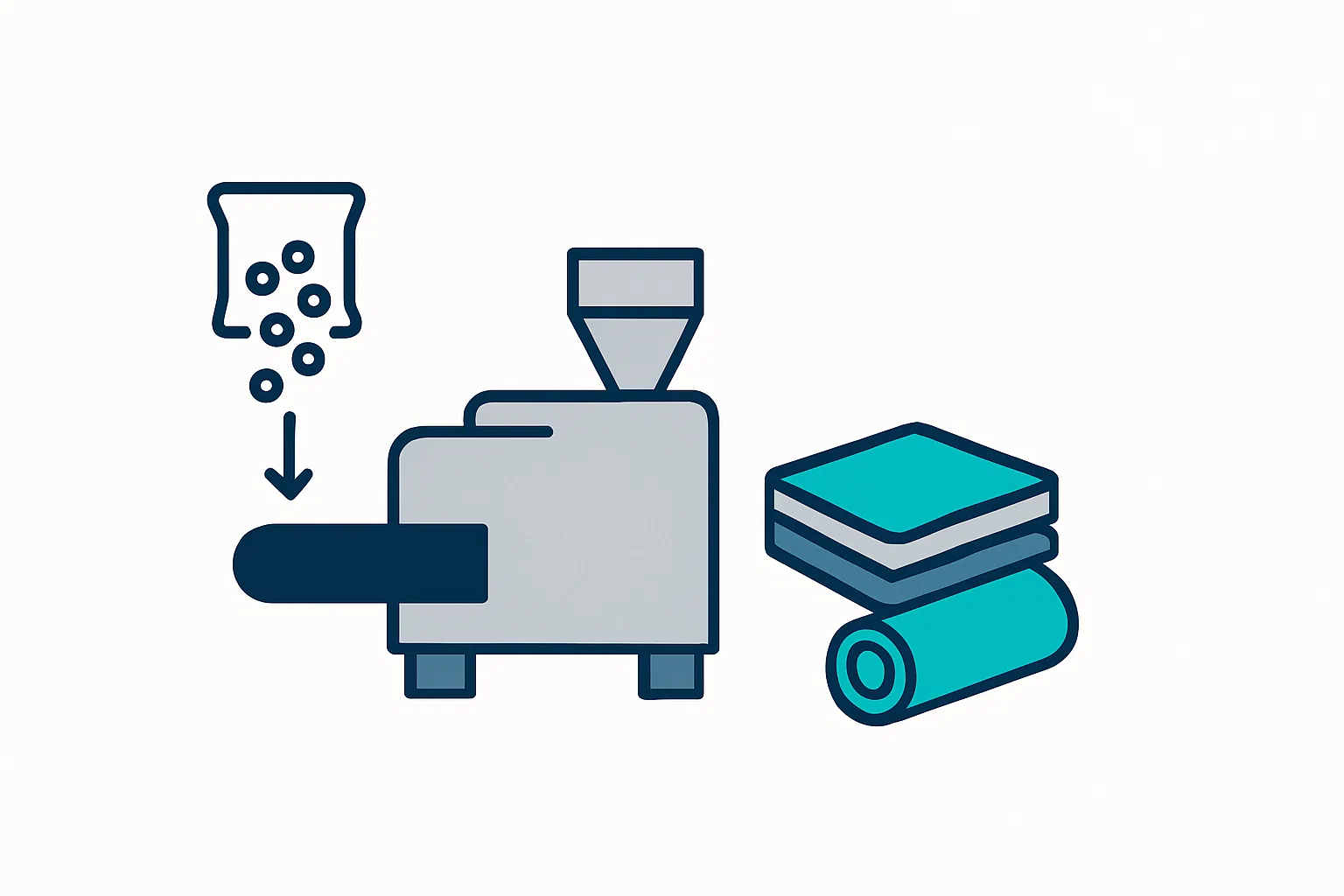
For manufacturers, EVA foam offers unmatched processing versatility. It can be easily die-cut, skived, and thermoformed into complex three-dimensional shapes. Additionally, EVA is highly compatible with various industrial adhesives and can be heat-welded or laminated with fabrics and films, streamlining the assembly process for complex finished goods.
Summary
The technical advantages of EVA foam—ranging from its thermal stability to its precise engineering tolerances—make it a versatile solution for modern product design. At Damao Tech, we leverage these properties to provide high-quality EVA sheets and custom fabrication services tailored to your industrial needs. Explore our custom EVA foam inserts to see how these advantages translate into superior product protection.