Custom EVA Foam Inserts Guide: Design and Tool Box Organization
- Damao Tech
- EVA Foam
- 09 Feb, 2026
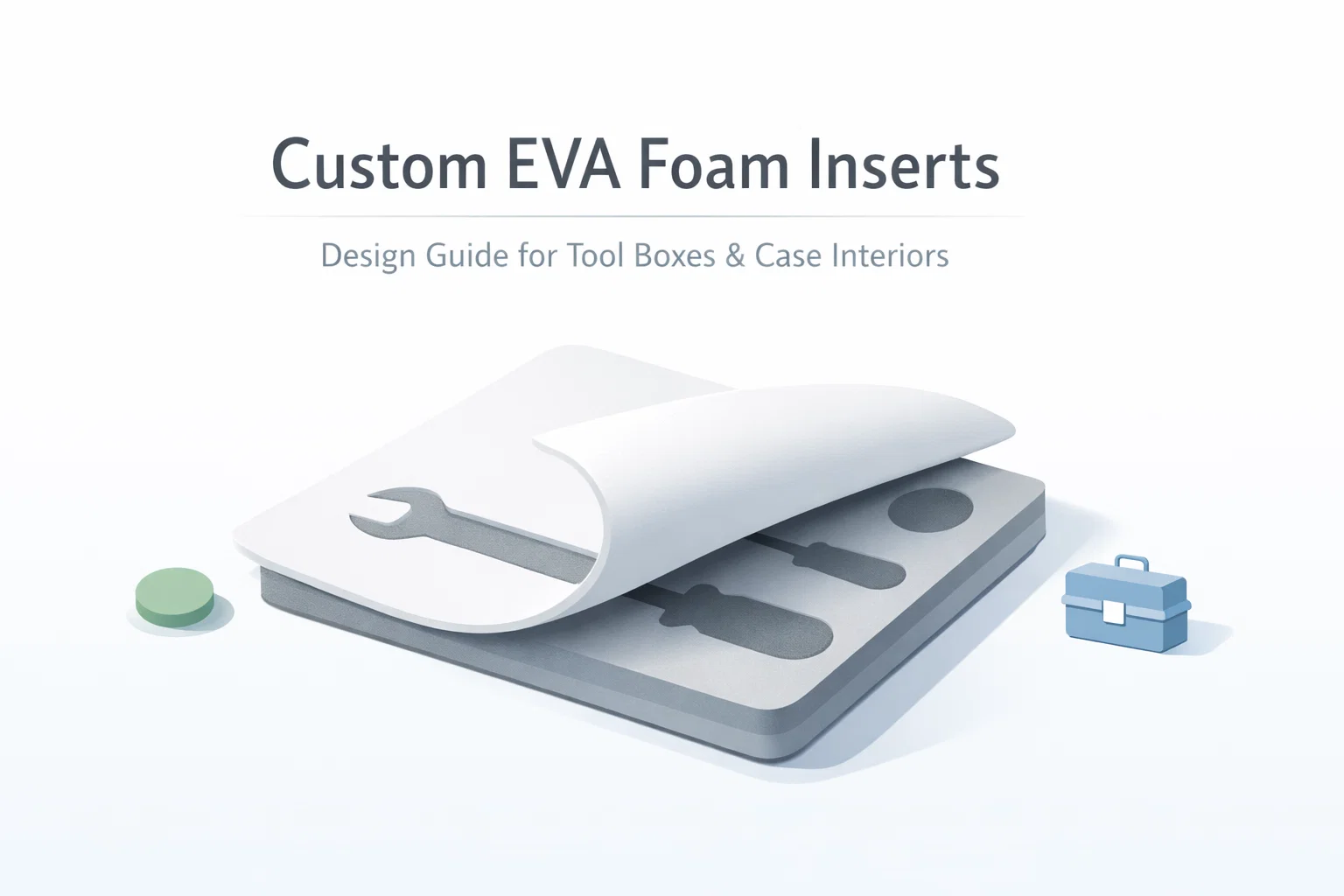
Custom EVA foam inserts are precision CNC-routed closed-cell foam layers that lock specific tools, devices, or products into shaped pockets inside a transport case. They prevent impact damage during shipping, keep contents organized at a glance, and are commonly used in tool boxes (DeWalt, Milwaukee, Pelican), medical kits, firearm cases, electronics packaging, and B2B product presentation.
This guide covers everything needed to specify a custom EVA foam insert that actually performs: choosing density (60–150 kg/m³ for most cases), thickness, perimeter spacing, finger-pull design, and how to send a layout file to a foam manufacturer.
What Are Custom EVA Foam Inserts?
Custom EVA foam inserts are protective, precision-cut internal layers made from ethylene-vinyl acetate designed to secure objects within an outer case. Because EVA is a resilient, closed-cell material, it absorbs direct physical impacts without absorbing water or oil. Manufacturers cut these inserts into exact silhouettes matching the enclosed tools. Today, professionals use these custom layouts to organize toolboxes, medical kits, and heavy-duty transport units.
Key Design Principles for Foam Inserts
Proper insert architecture manages kinetic energy and prevents the foam from tearing under stress. In our experience building protective packaging, following precise physical spacing rules separates a successful layout from one that fails quickly.
The Two-Inch Perimeter Rule
Never place heavy items directly against the outer case wall. According to standard packaging guidelines, you must maintain at least 2 inches (50mm) of solid foam between the tool and the exterior edge. This critical crush space absorbs the physical shock if the case drops onto hard concrete.
Spacing Between Individual Items
Maintain a minimum 1-inch (25mm) solid bridge of foam between adjacent pockets. If the walls are too thin, the daily friction of removing and replacing tools will eventually tear the dividers. This spacing ensures each pocket maintains its structural integrity over time.
Finger Pulls and Extraction Clearance
Design dedicated finger notches around items that sit flush. You must add small, semi-circular cutouts to allow fingertips to safely grab the targeted tool. Without these cutouts, users will pry objects out, ripping the surrounding pocket edges.
How to Select the Right Foam Specs
Real performance depends on selecting the exact material grade for the structural load. A heavier tool requires a higher foam density to prevent it from bottoming out during a sudden drop.
Understand Density Requirements
- Low Density (33–80 kg/m³): Best for lightweight, fragile items that require gentle, soft cushioning.
- Medium Density (80–150 kg/m³): A balanced option providing solid structural support for standard diagnostic equipment or cameras.
- High Density (150–280 kg/m³): Required for heavy industrial parts. High-density foam retains its rigid shape under the constant physical pressure of heavy steel tools.
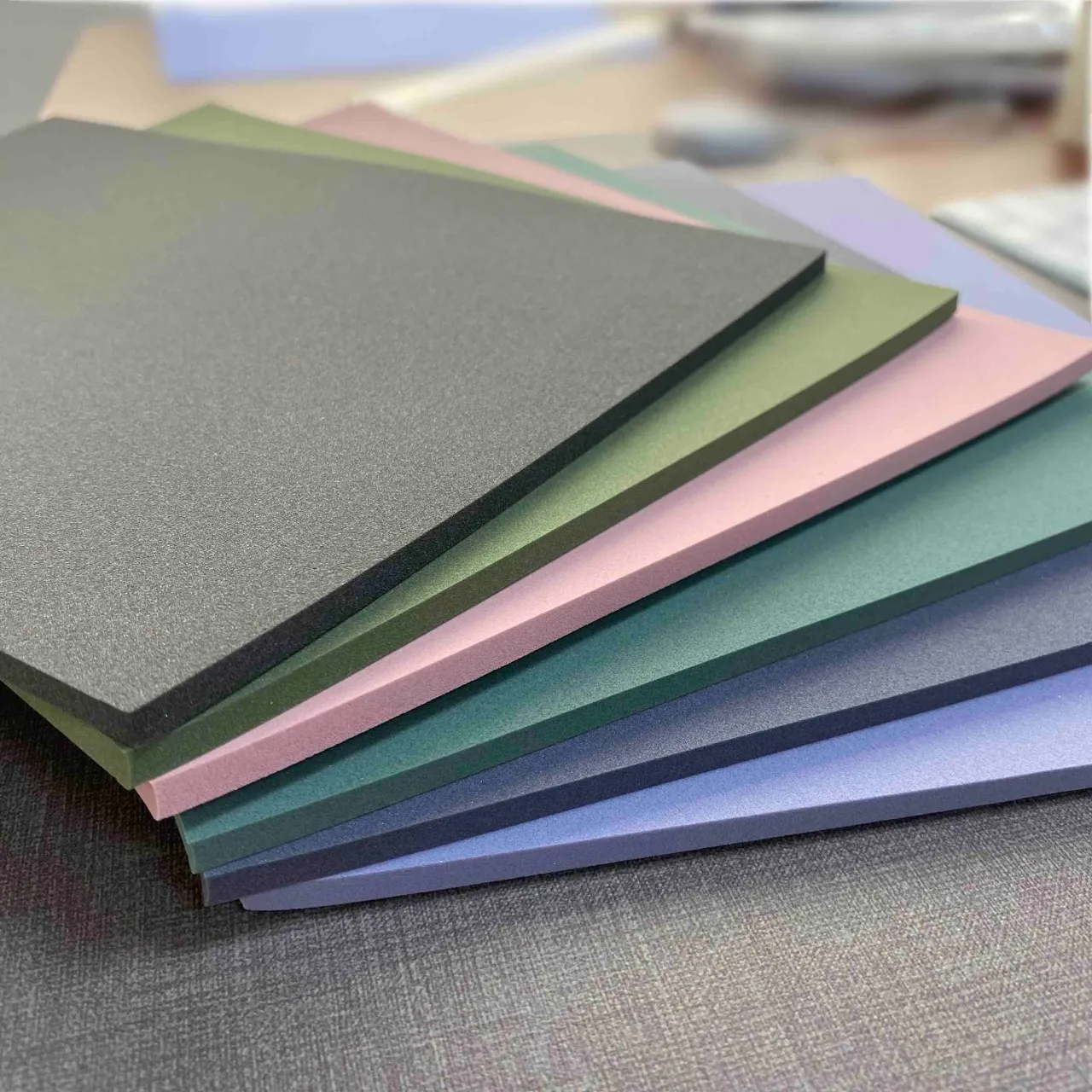
Two-Tone Shadow Foam
Two-tone EVA foam inserts make missing tools instantly obvious. By laminating a bright color beneath a dark top layer, the empty pocket highlights exactly what piece of equipment the technician forgot to repack. This prevents expensive losses in field service operations.
Fabrication Methods Explained
Manufacturers use different production techniques depending on the volume and visual complexity of the insert design.
- CNC Routing: Choose CNC routing when you need exact depth steps for 3D shapes or if you are prototyping a single unit. It cuts exact geometric depths precisely.
- Die Cutting: Choose die cutting when mass-producing thousands of identical flat inserts. It operates extremely fast but works best for simple 2D cut-through profiles.
Summary and Next Steps
Custom EVA foam inserts deliver exact physical control, preventing expensive tools from colliding inside transport cases. When designing your layout, follow the perimeter spacing rules and select a high-density grade for heavy industrial gear. Request a quote from Damao Tech to start building a custom, professional foam insert for your specific workflow.