Is EVA Foam Waterproof? Water Absorption & Buoyancy Explained
- Damao Tech
- EVA Foam
- 12 Jul, 2026
One of the most frequent questions we receive from product designers and B2B buyers is: “Is EVA foam waterproof, and does it absorb water over time?”
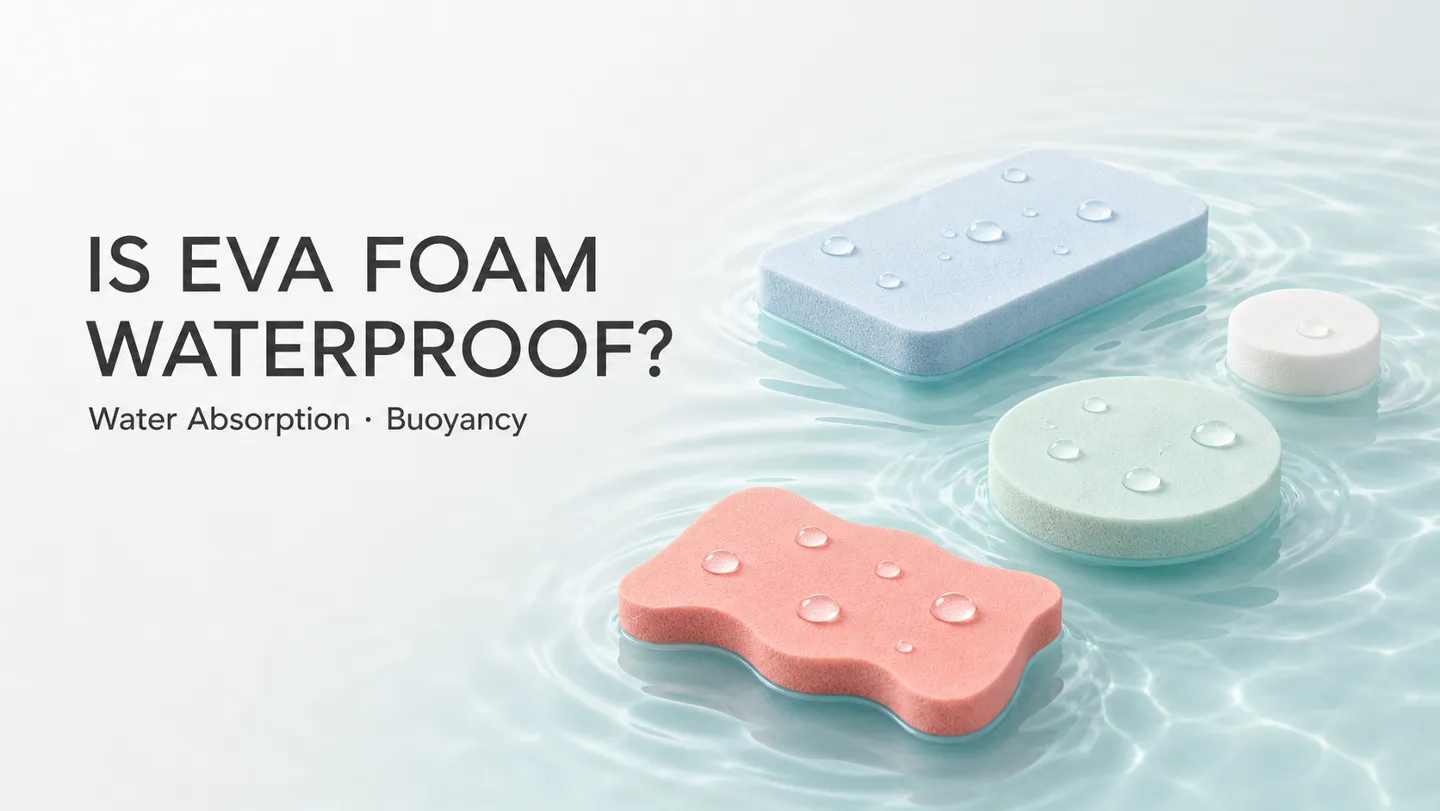
The short answer is yes, standard EVA (Ethylene-Vinyl Acetate) foam is 100% waterproof and does not absorb water.
Unlike sponges or open-cell polyurethane (PU) foams that soak up moisture like a wick, EVA foam features a tightly bonded, closed-cell structure. This microscopic architecture completely blocks water penetration, making it an industry-standard material for marine, outdoor, and water-sports applications.
In this guide, we will explain the science behind EVA’s water resistance, test its absorption rates, and highlight the best waterproof applications.
Why Is EVA Foam Waterproof? (The Closed-Cell Advantage)
To understand why EVA foam repels water, we have to look at how it is manufactured.
Foams are generally classified into two categories:
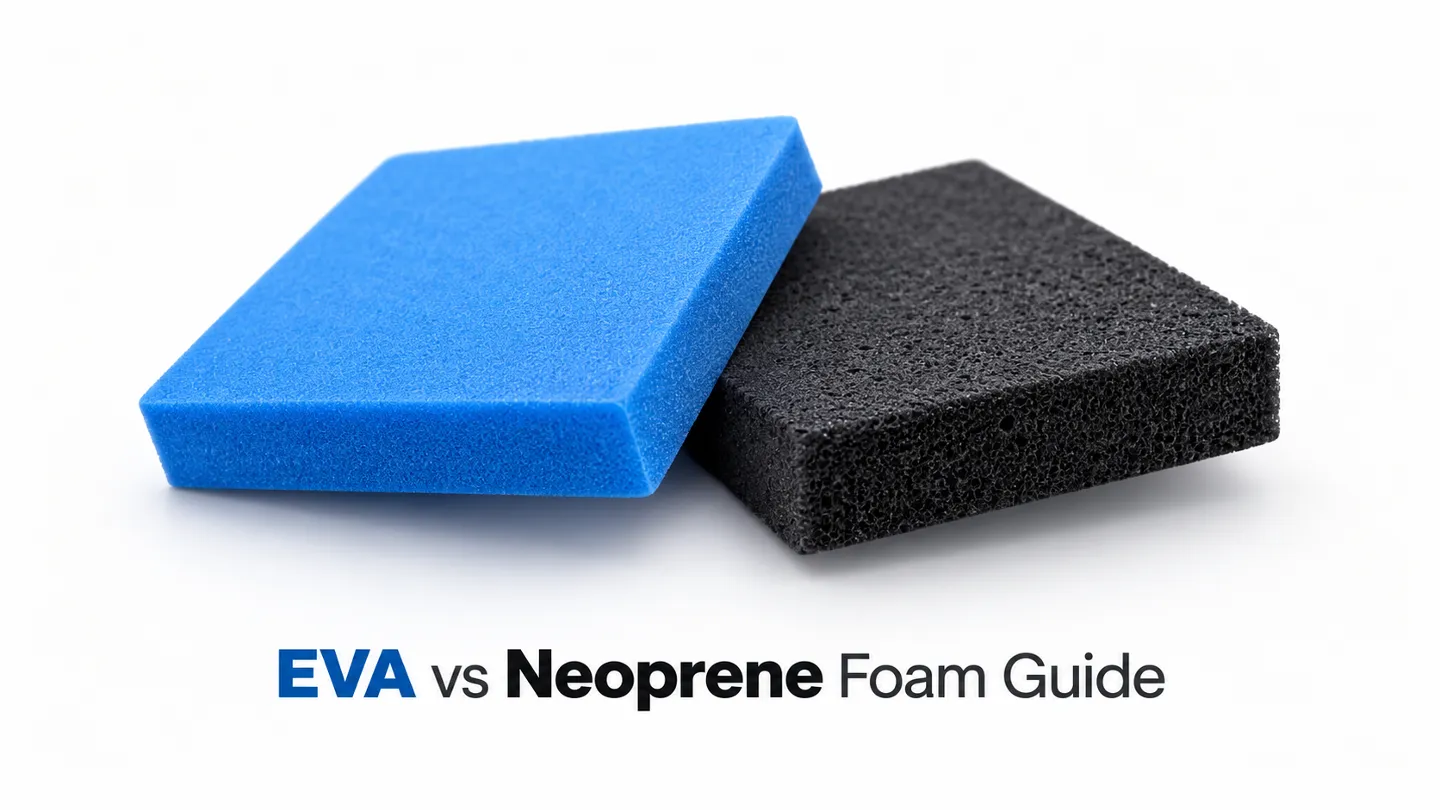
- Open-Cell Foam: The gas pockets (cells) inside the foam are interconnected and open. If you submerge an open-cell PU foam (like a kitchen sponge or a standard mattress), water instantly rushes into these open tunnels, saturating the material.
- Closed-Cell Foam (EVA): During the foaming process of EVA, millions of tiny gas bubbles are trapped inside the polymer matrix. These bubbles are completely sealed off from one another. Because there are no interconnected tunnels, water simply has nowhere to enter.
Furthermore, the base material—Ethylene-Vinyl Acetate copolymer—is inherently hydrophobic (water-repelling). The combination of a hydrophobic polymer and a closed-cell physical structure creates an impenetrable barrier against moisture, rain, and humidity.
Does EVA Foam Absorb Water Over Time?
In practical applications, EVA foam exhibits near-zero water absorption.
When tested under the ASTM D2842 standard (Water Absorption of Rigid Cellular Plastics), high-quality closed-cell EVA foam typically shows a water absorption rate of less than 0.1% by volume even after 96 hours of complete submersion.
Exceptions to the Rule:
While the foam core is waterproof, there are two scenarios where EVA foam might appear to hold water:
- Cut Edges: When you slice a block of EVA foam, you cut through the very top layer of cells, leaving microscopic “cups” on the surface. These half-cells can hold tiny droplets of surface water, but the water cannot penetrate any deeper into the foam sheet.
- Thermoformed Perforations: Some athletic shoes or backpacks feature EVA foam that has been deliberately punctured with holes for breathability. Water can pass through the holes, but it does not soak into the foam itself.
Buoyancy: Does EVA Foam Float?
Because EVA foam is waterproof and filled with trapped gas, it is exceptionally buoyant. In fact, EVA foam is one of the most reliable flotation materials available.
- High displacement: A standard block of low-to-medium density EVA foam (e.g., 30–80 kg/m³) is significantly lighter than water.
- Fail-safe flotation: Unlike inflatable PVC tubes that lose all buoyancy if punctured, an EVA foam block remains buoyant even if it is cut, torn, or damaged, because each individual microscopic cell remains sealed.
This fail-safe buoyancy is why EVA is heavily mandated for Coast Guard-approved life jackets, marine buoys, and swim kickboards.
Top Waterproof Applications for EVA Foam
Because it is completely impervious to water, sweat, and humidity, EVA foam is the material of choice for:
1. Marine Boat Decking
High-density EVA foam (often blended with PE) is used as non-skid traction mats on boat decks. It withstands constant seawater exposure without rotting, prevents slipping, and can be washed down easily.
2. Swim & Water Sports Gear
From kickboards and pool noodles to surf-board traction pads (deck pads), EVA foam provides lightweight, non-water-logging performance.
3. Hot Tub and Spa Insulation
EVA foam sheets are frequently used as protective mats underneath inflatable hot tubs. Because the foam does not absorb water, it prevents mold and mildew from growing between the tub and the ground.
4. Outdoor Packaging & Hard Case Inserts
When transporting sensitive electronics (like drones or camera gear) in Pelican cases, closed-cell EVA foam ensures that if the case is opened in a humid or rainy environment, the foam won’t absorb moisture that could later corrode the equipment.
Are There Alternatives? (EVA vs. Open-Cell PU)
If you are designing a product and aren’t sure whether you need EVA or PU foam, ask yourself this question: Does the product need to breathe, or does it need to block water?
- Use Open-Cell PU Foam if you need breathability, air circulation, or liquid absorption (e.g., acoustic dampening, mattress toppers, dish sponges).
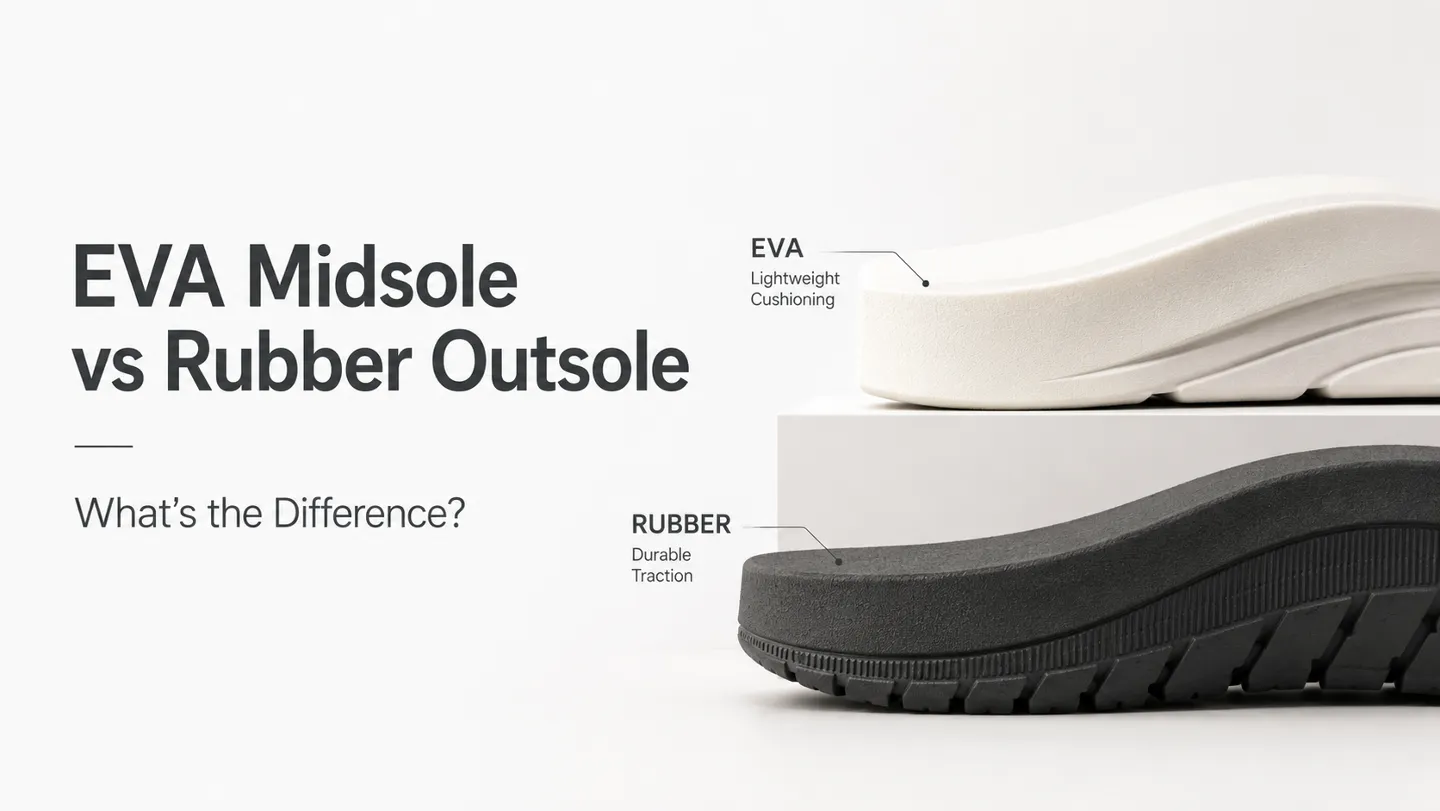
- Use Closed-Cell EVA Foam if you need waterproofing, buoyancy, shock absorption, and weather resistance (e.g., shoe soles, marine pads, outdoor seals).
Need Waterproof EVA Foam for Your Project?
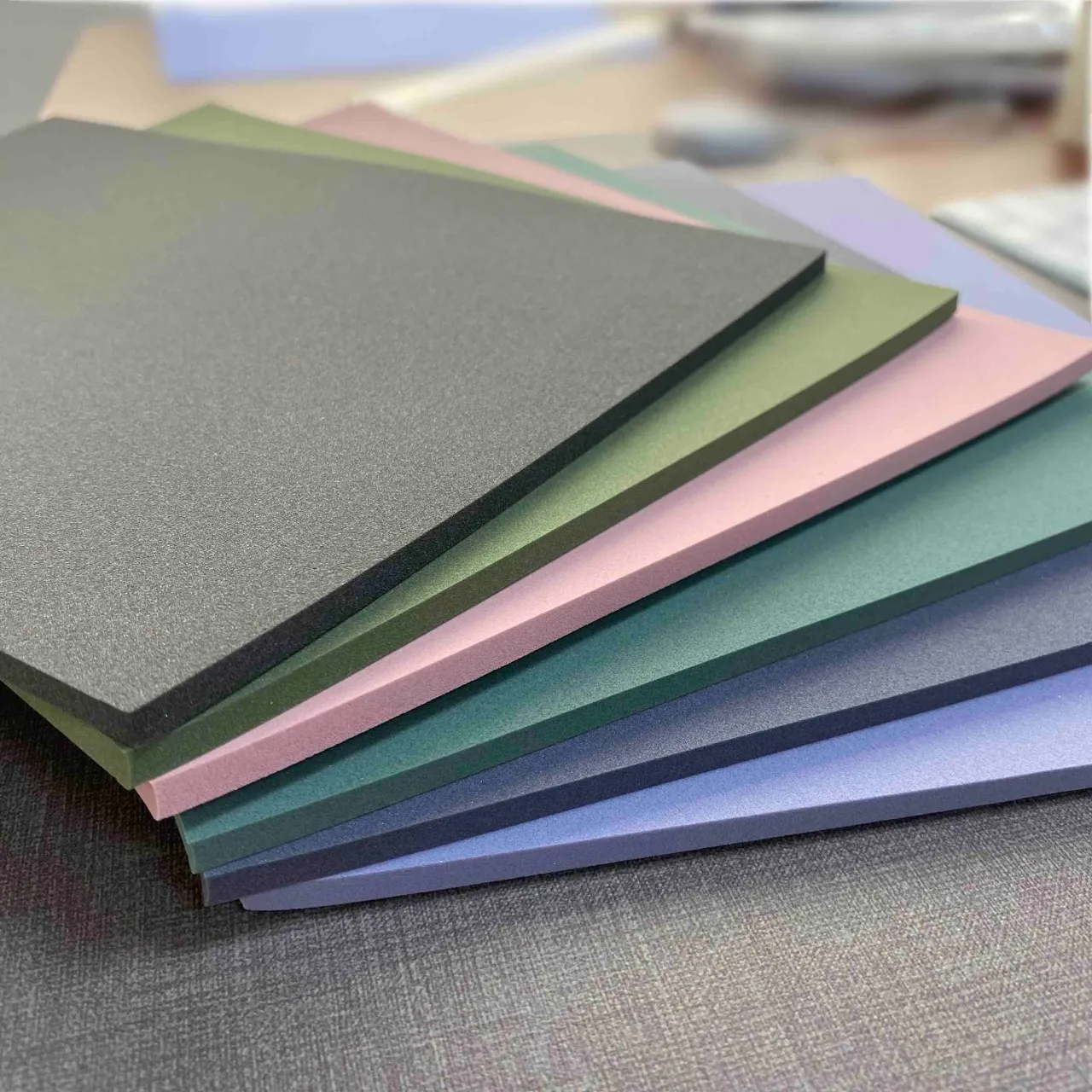
At Damao Tech, we manufacture premium closed-cell EVA foam sheets and custom-cut parts designed for extreme marine and outdoor environments. Our engineers can adjust the density and hardness to meet your exact buoyancy and water-resistance requirements.
Contact us today for technical data sheets or material samples.