EVA Foam Mats: Interlocking Tiles, Uses, Safety & Custom Options
- Damao Tech
- EVA Foam
- 03 Jul, 2026
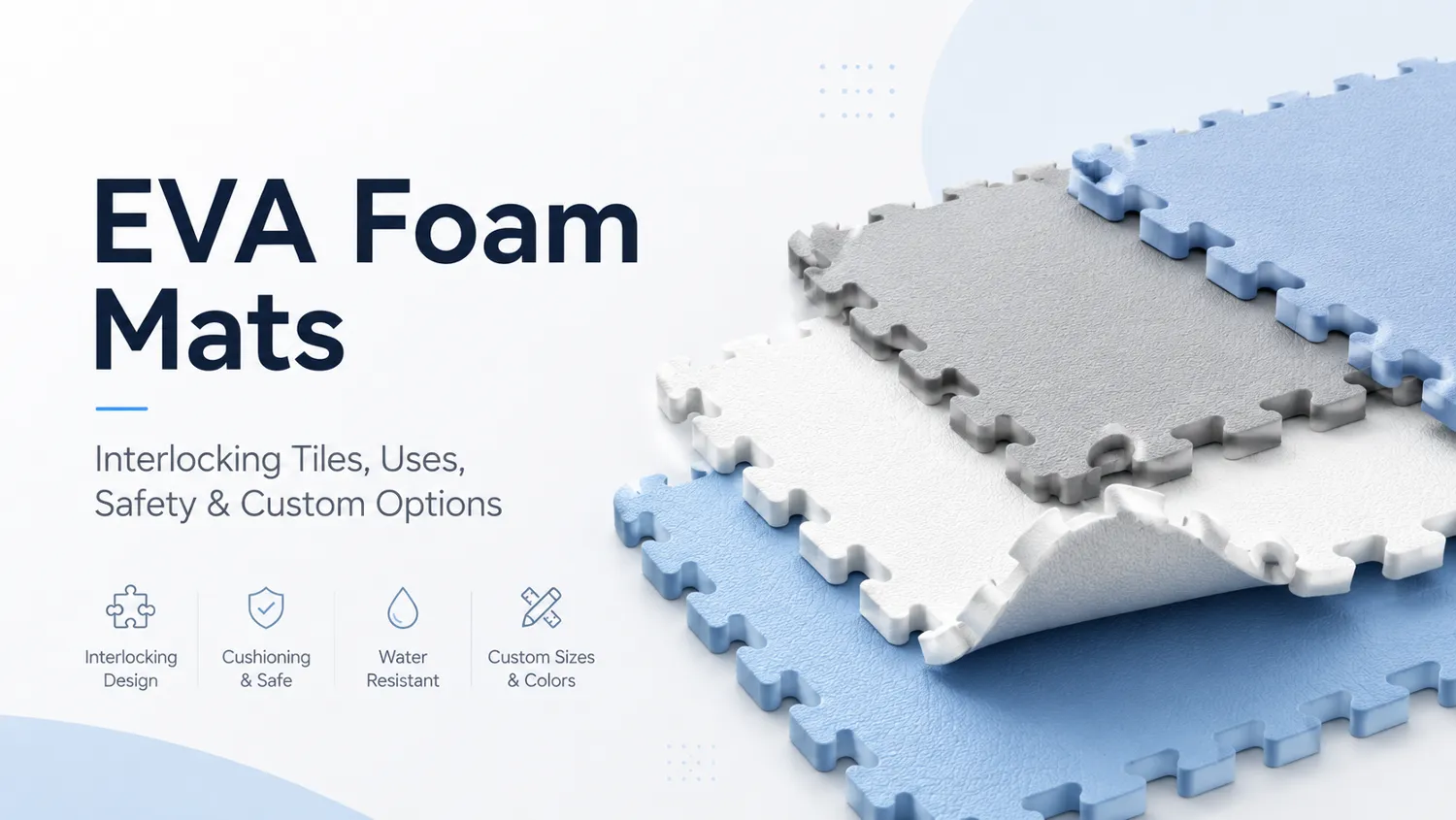
EVA foam mats are closed-cell foam floor tiles and rollout pads made from ethylene-vinyl acetate, valued for their cushioning, water resistance, and light weight. They are the standard surface for home gyms, kids’ play areas, martial-arts studios, garages, and trade-show booths — sold as interlocking puzzle tiles, continuous rolls, or die-cut custom shapes.
This guide covers the main types of EVA foam mats, how to choose the right density and thickness, whether they are safe (the formamide question), and what to specify when ordering custom mats. If you are sourcing the base material, see our custom EVA foam page.
Types of EVA Foam Mats
EVA foam is converted into several mat formats, each suited to a different use:
- Interlocking tiles (puzzle mats): Square tiles with jigsaw edges that lock together without adhesive. Easy to install, remove, and reconfigure — the most common format for home gyms and playrooms.
- Rollout mats: Continuous mats supplied in rolls for fast coverage of large areas such as commercial gyms and event flooring.
- Tatami / textured mats: Firmer, textured-surface tiles used for martial arts and judo, offering grip and controlled fall absorption.
- Anti-fatigue mats: Thicker, higher-density pads for standing workstations, kitchens, and garages.
- Play mats: Soft, colorful tiles (often with letters or numbers) for nurseries and children’s rooms.
Common Applications
Because density and thickness can be tuned, the same base material serves very different jobs:
- Home and commercial gyms: Protects floors and equipment, dampens noise, and cushions dropped weights.
- Children’s play areas: Provides a soft, wipe-clean surface for crawling and early motor development.
- Martial arts and fitness studios: Absorbs impact from falls and throws.
- Garages and workshops: Anti-fatigue standing comfort plus oil and moisture resistance.
- Exhibitions and events: Lightweight, quick-install temporary flooring.
How to Choose: Density and Thickness
Two specifications determine how an EVA foam mat performs:
- Density controls firmness and durability. Low-density mats feel soft but compress faster; higher-density mats resist flattening under heavy equipment and foot traffic. See our EVA foam density guide for the full breakdown.
- Thickness controls cushioning and fall protection. Thin mats (8–12 mm) suit general floor protection; thicker mats (20–40 mm) are used where impact absorption matters, such as gyms and play areas.
As a starting point, home gyms typically use medium-density mats around 12–20 mm, while children’s play mats prioritize thicker, softer tiles for fall safety.
Are EVA Foam Mats Safe?
Yes — fully cured, regulation-compliant EVA foam mats are non-toxic, BPA-free, and latex-free. The concern that appears in searches like “are EVA foam mats banned” traces back to formamide, a processing aid once found at high levels in some cheap import mats, which led to restrictions in a few EU markets. Compliant manufacturers keep formamide well below the EU limit of 200 ppm, and reputable mats pass EN-71 and CPSIA testing.
New mats may give off a mild temporary odor (VOC off-gassing) that airs out quickly and is harmless. For a full breakdown of EVA safety, formamide, and child-safety standards, see our guide on whether EVA foam is safe and non-toxic.
Custom EVA Foam Mats
For B2B and private-label orders, EVA foam mats can be manufactured to specification:
- Size and shape: Standard tiles, custom dimensions, or die-cut profiles.
- Thickness and density: Matched to the application and load.
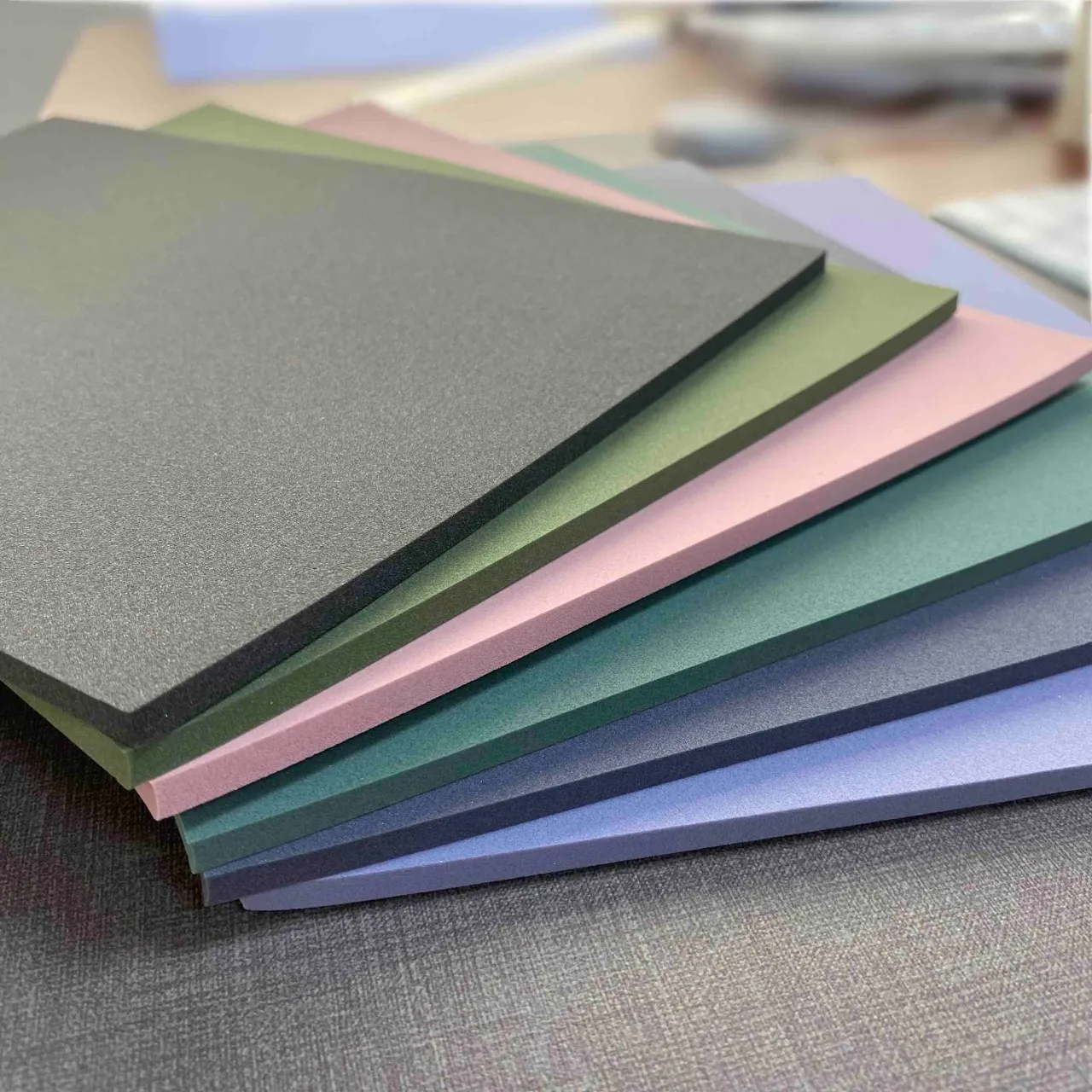
- Color and print: Custom colors, dual-color tiles, or printed logos and graphics.
- Surface texture: Smooth, tatami, or anti-slip finishes.
- Edge type: Interlocking, straight-edge, or with border strips.
For material grades and fabrication options, see our custom EVA foam page, and for supplier selection read our EVA foam manufacturer and supplier guide. If your project is a branded yoga or fitness product, see our custom yoga mat.
Frequently Asked Questions
Are EVA foam mats waterproof? Yes. EVA is a closed-cell foam, so it does not absorb water and resists mold and mildew, making it suitable for gyms, bathrooms, and outdoor events.
What thickness is best for a home gym? Medium-density mats of 12–20 mm balance floor protection, comfort, and stability for most home gym equipment. Use thicker, denser mats under heavy racks or for weightlifting platforms.
Do EVA foam mats smell? New mats can have a mild temporary odor that dissipates within a few days of airing. Low-odor, compliant material minimizes this.
Can EVA foam mats be recycled? Post-industrial EVA scrap is widely recycled into aggregate for new mats and fillers. Ask your supplier about recycled-content options.
Get Custom EVA Foam Mats from Damao Tech
Damao Tech manufactures custom EVA foam mats, tiles, and rolls in the density, thickness, color, and format your application requires. Send your size, thickness, and quantity requirements to request a quote and material samples.