EVAフォーム密度チャート:10〜40 Shore Cシート、PCFとkg/m³
- Damao Tech
- EVAフォーム
- 03 Oct, 2026
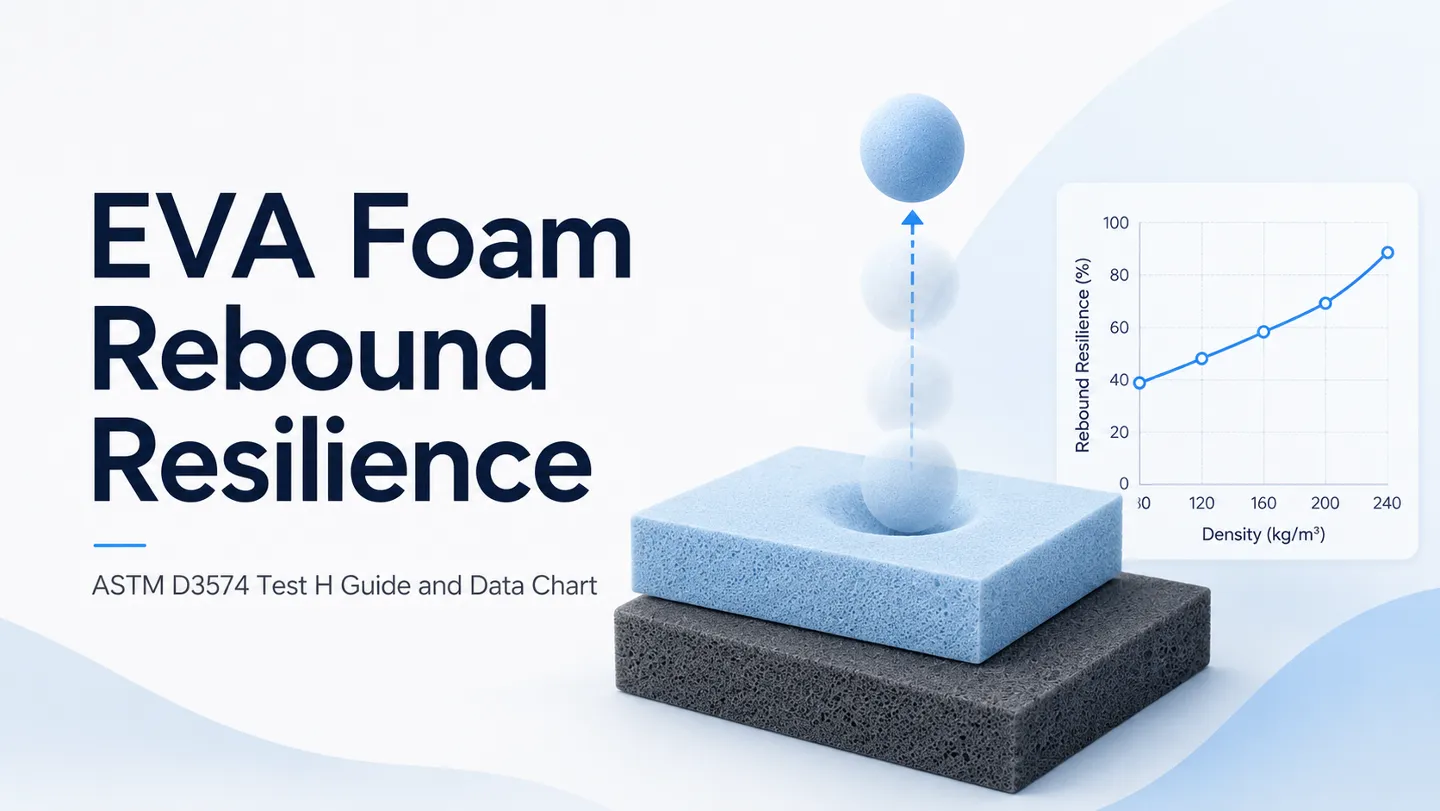
EVAフォームの密度はkg/m³またはPCFで測定され、通常は33〜280 kg/m³(2.0〜17.5 PCF)の範囲です。 10 Shore Cフォームシートは柔らかく低密度の側(クッション材、ヨガブロック、軽量インサート)です。40 Shore Cフォームシートは中硬度の包装・ライナー用グレードです。さらに硬いシートはShore Aの領域に入り、ガスケットや荷重支持部品に使われます。
以下のチャートで密度をShore C / Shore Aに換算すれば、硬度と質量を混同せずにシートを仕様設定できます。
EVAフォームの密度とは?
EVAフォームの密度とは、構造ポリマーの実質的な質量を全体体積で割ったものです。国際取引ではこの物理量はkg/m³で表され、米国のメーカーはしばしばPCF(ポンド/立方フィート)で指定します。
密度はフォームの微細な気泡壁に注入される原材料ポリマーの総量を測るため、フォームが圧力にどう応答するかを直接決めます。
- 低密度(< 60 kg/m³ / < 3.7 PCF):ガスとポリマーの比率が高い。極めて軽量で圧縮性が高く柔らかい感触のフォームになりますが、重い荷重の下では沈み込みます(ボトムアウト)。
- 高密度(> 150 kg/m³ / > 9.3 PCF):ガスとポリマーの比率が低い。潰れることなく深刻な荷重に耐えられる、ソリッドで重いブロックになります。切断面はきれいに仕上がりますが、材料コストは高くなります。
EVAフォームの密度と硬度の技術チャート
密度範囲を誤ると、即座に構造的な機能不全や不要な材料コストを招くことがあります。この標準的なメートル法・ヤードポンド法チャートを参照して、物理的な評価値を正確な性能要件に対応付けてください。
(注:1 kg/m³ = 0.0624 lb/ft³)
| 密度区分 | 密度(kg/m³) | 密度(lb/ft³ / PCF) | Shore硬度範囲 | 一般的なB2B用途 |
|---|---|---|---|---|
| 超低密度 | 33 – 60 | 2.0 – 3.7 | 15 – 25 Shore 00 | ヨガブロック、ソフト包装、小売インサート |
| 低中密度 | 60 – 100 | 3.7 – 6.2 | 25 – 40 Shore C | 一般包装インサート、保護クッション |
| 中高密度 | 100 – 150 | 6.2 – 9.3 | 40 – 55 Shore C | 装具、ケースライナー、マリン用バッキング |
| 高密度 | 150 – 220 | 9.3 – 13.7 | 30 – 45 Shore A | 工具トレイ、産業用ガスケット、ヘビーパッド |
| 超高密度 | 220 – 280 | 13.7 – 17.5 | 45 – 60 Shore A | 機械用ガスケット、構造スペーサー、ホイール |
密度と硬度の混同を解く
エンジニアやバイヤーは、密度と硬度を混同しがちです。
- 硬度(Shore A、C、00ゲージで測定)は、表面の押し込みに対する抵抗(押したときの感触)を厳密に決定します。
- 密度は、内部の質量分布の絶対量(実際にどれだけの材料があるか)を決定します。
同一のEVAフォーム2片がどちらもちょうど45 Shore Cを示しても、より重く高密度な方が長期圧縮の下で10倍長持ちします。密度と硬度は化学配合と発泡倍率によって独立に調整できます。だからこそ、低めのShore硬度を持つ高密度フォームは極めて耐久性がありながら快適で、高級自動車内装や保護スポーツギアに理想的なのです。
Shore 00、Shore A、Shore Cスケール
Shoreスケールは、ポリマーの硬度を定量化するための標準化された体系です。Shore Aは固体ゴムの世界的な標準ですが、フォーム業界では多孔質材料の測定精度を高めるためにShore CとShore 00が頻繁に使われます。
| スケール | 押し針の形状 | 材料タイプ | 一般的な用途 |
|---|---|---|---|
| Shore 00 | 大きな球 | 超軟質 | 医療用クッション、ゲル状パッド |
| Shore C | ドーム状 | フォーム/スポンジ | スポーツシューズ、産業用マット |
| Shore A | 鈍先円錐 | 硬質エラストマー | マリンデッキ、硬質ガスケット |
ASTM D2240規格では、Shore Cスケールのドーム状押し針はShore Aの円錐ほど気泡壁を突き破りにくいため、EVAフォームに対してより高い分解能を与え、生産ロットを横断してより安定した再現性のある測定値が得られます。
圧縮永久歪み:真の耐用寿命指標
**圧縮永久歪み(compression set)**とは、フォームを一定期間荷重下に置いた後(通常はASTM D3574またはASTM D395規格下)に残る永久変形の割合で、ガスケット、シール、靴の中底の耐用寿命にとって最も重要な単一の指標です。
高密度のEVA配合は一般に圧縮永久歪みにはるかに強く耐えるため、繰り返し荷重(繰り返し衝撃)用途では、材料データシートに低い圧縮永久歪み値が記載されていることを確認してください。
密度+硬度 用途選択マトリクス
一般的な産業用途に基づく初期仕様のベースラインとして、このマトリクスをご利用ください。
| 用途 | 目標密度 | 目標硬度 | 主な性能 |
|---|---|---|---|
| 靴の中底 | 80〜120 kg/m³ | 20〜35 Shore C | エネルギーリターン/反発 |
| マリンデッキ | 180〜220 kg/m³ | 55〜65 Shore C | UV安定性/トラクション |
| 医療用クッション | 35〜50 kg/m³ | 15〜20 Shore 00 | 肌への適合性 |
| 産業用ガスケット | 200〜250 kg/m³ | 40〜50 Shore A | シール完全性 |
密度と加工品質
選択した密度は、EVAフォームの切断、ルーター加工、ラミネート、組立の成否に大きく影響します。
- 型抜き: 密度は、ブレードが押し通った後のエッジの復元と寸法安定性に影響します。
- CNCルーター加工: 高密度の方がきれいなポケット壁とより良いディテールが得られます。低密度フォームは引裂けたり毛羽立ったエッジになったりします。
- ラミネート: 密度は、意図しない反りを起こさずに追加層を支えられるものであるべきです。
- 接着裏打ち: 硬めのフォームの方が組立中の取り扱いが安定します。
部品に複雑なポケット、狭い壁、きつい嵌め合い要件がある場合は、仕様確定前に特注カットEVAフォームガイドをご確認ください。
10 Shore Cと40 Shore Cフォームシートの比較
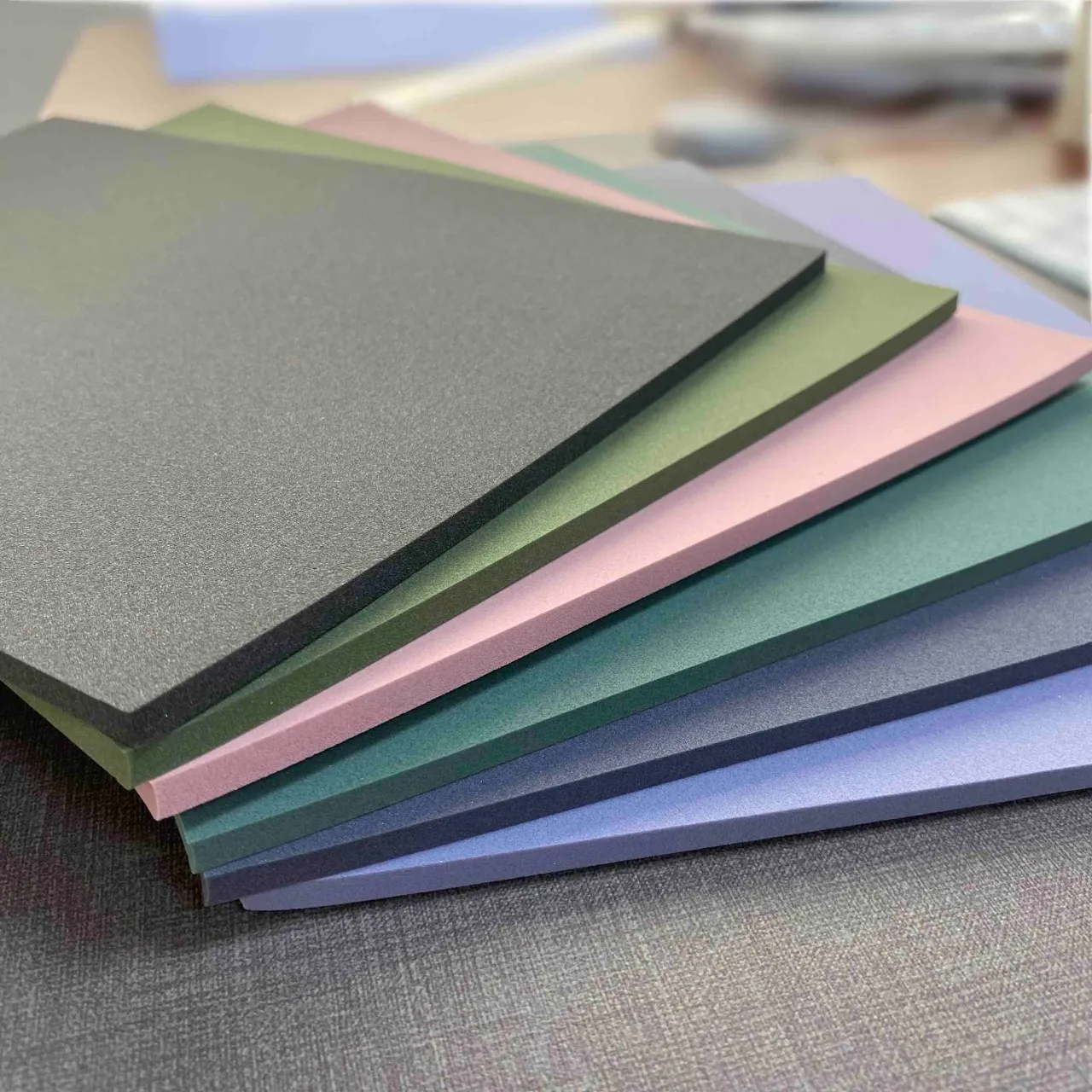
10 Shore Cフォームラバーシートを探しているバイヤーは通常、柔らかく圧縮性のあるパッドを求めています。当社チャートでは超低密度〜低中密度の帯域(約33〜80 kg/m³、Shore 00〜低Shore C)に位置します。クッション性は高いものの、持続荷重の下では沈み込みます。
40 Shore Cフォームシートは標準的な産業用インサートです。約80〜150 kg/m³、配合により25〜55 Shore Cです。型抜きのエッジを保ち、接着裏打ちにも対応し、それでも適度な弾力性を持ちます。部品が工具トレイ、ガスケット、ホイールなら、40 Shore Cを超えてShore Aへ移行してください。
密度とShore Cは同じ数値ではありません。同じ40 Shore Cのシートでもkg/m³は異なることがあり、重い方が圧縮下で長持ちします。データシートでは両方の値を要求してください。
RFQ用に10〜40 Shore Cのフォームラバーシートを比較しているなら、その範囲は柔らかい包装パッドから硬めのケースライナーまでをカバーしています。上記のチャートで選定し、発注前にサプライヤーのデータシートでkg/m³単位の密度を確認してください。標準・特注サイズの在庫については、カスタムEVAフォームシート製造ページをご覧ください。
RFQでEVAフォームの密度を指定する方法
質の高いRFQには以下を含めてください。
- 製品詳細: 重量、サイズ、写真。
- 寸法: 必要なフォームの厚みと完成部品の寸法。
- 用途: 包装、ガスケット、パッド、工具インサート、構造部品のいずれか。
- 求める感触: 柔らかいクッション、バランスの取れた支持、硬い構造のいずれか。
- 加工方法: 型抜き、CNCルーター加工など。
お見積り依頼の前に、特注EVAフォーム要件ガイドを使って技術詳細を整理することもできます。
よくある質問
10 Shore Cフォームシートとは何ですか?
10 Shore Cフォームシートは、柔らかいEVA(または類似の独立気泡)シートです。容易に圧縮されるため、軽いクッションや低価格インサートに適しています。何ヶ月も荷重がかかり続ける部品には不向きです。
40 Shore Cフォームシートとは何ですか?
40 Shore Cフォームシートは、包装インサート、ケースライナー、多くの靴・装具部品に使われる中硬度のEVAシートです。B2BのRFQで「標準EVAシート」と言われる際のグレードです。
Shore CはEVAフォームの密度と同じですか?
いいえ。Shore Cは表面硬度です。密度は単位体積あたりの質量(kg/m³またはPCF)です。厚みと圧縮永久歪みも含めて、両方を指定してください。
EVAフォームの密度はどのくらいですか?
EVAフォームの密度は通常、33〜280 kg/m³(2.0〜17.5 PCF)の範囲です。軽いクッションには33〜60 kg/m³、標準的な包装インサートには80〜150 kg/m³、ガスケットや構造部品には150〜280 kg/m³が必要です。データシートでは密度と硬度の両方を必ず確認してください。これらは独立した値です。
標準的なフォームラバーシートのShore C範囲は?
ほとんどのB2Bフォームラバーシートは10〜40 Shore Cの範囲に入ります。10 Shore C側は柔らかいクッション、40 Shore Cは包装インサートやケースライナーの中硬度の標準です。40 Shore Cを超えると、バイヤーは通常、ガスケットや荷重支持部品向けにShore Aスケールへ切り替えます。
まとめ
最適なEVAフォーム密度とは、最終用途においてクッション性、支持性、加工品質、コストを数学的かつ実務的にバランスさせるものです。低密度EVAフォームは軽量製品やシンプルなライナーに適し、中密度は一般包装インサートに最適で、高密度フォームは工具インサート、ガスケット、ヘビーデューティー部品に不可欠です。
Damao Techは、B2Bプロジェクト向けに特注EVAフォーム材料と加工部品を供給しています。製品詳細、図面、または参考サンプルをお送りいただければ、密度と加工性のレビューを開始します。