TPU Recycling: Shredding, Pelletizing, and Reuse Guide
- Damao Tech
- TPU Products
- 04 May, 2026
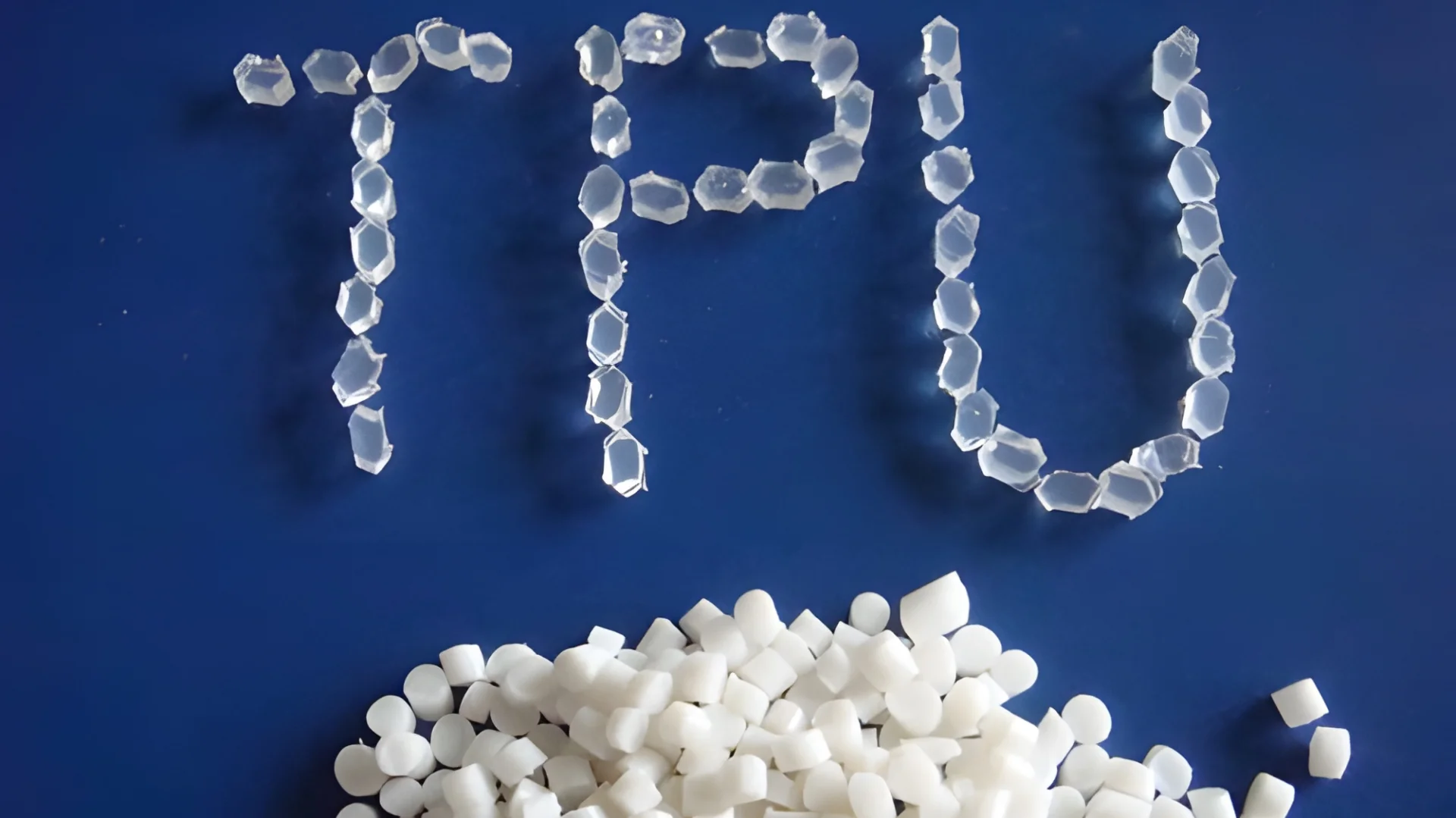
Thermoplastic Polyurethane (TPU) is valued for flexibility, abrasion resistance, oil resistance, and elastic recovery. It appears in footwear components, protective cases, cable jackets, wearable device bands, automotive parts, industrial belts, medical accessories, and many other durable products.
As TPU use grows, so does the need to recover post-industrial scrap and selected post-consumer waste. TPU recycling through shredding, extrusion, filtration, and pelletizing can turn clean waste streams into reusable pellets, reducing landfill disposal and lowering dependence on virgin TPU.
This guide explains how TPU recycling works, which waste streams are suitable, what equipment stages matter, and how buyers should evaluate recycled TPU pellets before using them in production.
Why TPU Recycling Matters
TPU is a high-value engineering thermoplastic. Unlike many thermoset rubbers, TPU can be remelted and reprocessed when the waste stream is clean and the polymer grade is properly controlled. That makes it a strong candidate for mechanical recycling.
For manufacturers, TPU recycling can support:
- Lower raw-material cost when recycled pellets replace part of virgin TPU
- Reduced disposal cost for production scrap and off-spec parts
- Better sustainability reporting and circular-economy positioning
- More stable use of internal scrap from cutting, trimming, molding, or extrusion
- New recycled-content product lines for customers with ESG requirements
For a broader material background, see our guide to how TPU compares with other plastics.
Suitable TPU Waste Streams
Not every TPU waste stream is equally easy to recycle. The best results usually come from clean, sorted, single-material sources.
Common recyclable TPU sources include:
- Footwear production scrap, including midsoles, outsoles, trim waste, and rejected parts
- Film, sheet, and extrusion scrap from manufacturing lines
- Cable jacket scrap and selected flexible industrial components
- Injection-molding runners, sprues, and off-spec molded parts
- Clean post-industrial TPU from electronics, sports goods, or protective accessories
More difficult streams include heavily contaminated post-consumer products, mixed TPU/PVC/EVA waste, coated fabrics, multi-layer composites, and materials with unknown additives or fillers.
The TPU Recycling Process
TPU recycling is usually a multi-stage mechanical process. Each step affects pellet quality, melt stability, color, odor, and final performance.
1. Sorting and Pre-Inspection
The first step is to separate TPU from non-TPU materials. Sorting may involve manual inspection, density checks, supplier documentation, or more advanced polymer identification methods.
Important checks include:
- TPU grade and hardness range
- Color consistency
- Presence of PVC, EVA, rubber, metal, fabric, foam, or adhesives
- Moisture, dust, oil, and surface contamination
- Whether the stream is post-industrial or post-consumer
Good sorting prevents downstream problems. Even small amounts of incompatible polymers can create gels, black spots, poor bonding, odor, or unstable extrusion.
2. Shredding and Grinding
Large or flexible TPU scrap must be reduced into smaller pieces before extrusion. Industrial shredders, granulators, or a combination of both are used depending on the waste form.
TPU is tough and elastic, so size reduction needs careful setup. Low-speed, high-torque shredders can help prevent wrapping, while granulators can produce more uniform flakes for feeding.
Key considerations include:
- Feedstock shape: film, sheet, molded parts, cable jacket, footwear scrap, or mixed pieces
- Target flake size for consistent extruder feeding
- Knife condition and screen size
- Dust control and fines removal
- Cooling or anti-wrapping measures for flexible materials
3. Cleaning and Drying
Clean post-industrial TPU scrap may need only basic dust removal. Dirtier streams may require washing, rinsing, and drying before extrusion.
Moisture control is especially important. TPU is sensitive to hydrolysis at processing temperatures, and excessive moisture can reduce molecular weight, create bubbles, and weaken the final pellet quality.
Before extrusion, many processors dry TPU flakes according to grade-specific recommendations. The exact drying temperature and time should follow the supplier’s technical data sheet.
4. Extrusion and Melt Filtration
Once shredded and dried, TPU flakes are fed into an extruder. The material is melted, homogenized, degassed if needed, and pushed through a filtration system to remove remaining contaminants.
For recycled TPU, filtration is critical because contaminants can damage downstream product quality. Screen changers, melt filters, and controlled temperature zones help stabilize the process.
Buyers should evaluate:
- Screw design and temperature control
- Degassing capability
- Melt pressure stability
- Filtration fineness
- Throughput consistency
- Color and odor management
5. Pelletizing
After filtration, the molten TPU is converted into pellets. The most common systems are strand pelletizing and underwater pelletizing.
| Pelletizing Method | Best Fit | Notes |
|---|---|---|
| Strand pelletizing | Small to medium output, easier material changes | Lower equipment complexity, but strand stability must be managed |
| Water-ring pelletizing | Many flexible thermoplastics | Compact system, commonly used for polyolefins and selected elastomers |
| Underwater pelletizing | Higher output and more uniform pellet shape | Better for large-scale production, but higher equipment cost |
The right method depends on TPU hardness, melt behavior, throughput, pellet-size requirement, and budget.
6. Cooling, Drying, and Packaging
Fresh pellets must be cooled, dried, screened, and packed without absorbing excess moisture or contamination. Finished recycled TPU pellets are typically packed in moisture-resistant bags, cartons, or bulk bags.
Batch labeling should include material source, color, hardness range, processing date, lot number, and test results. For B2B buyers, traceability is part of the product value.
Quality Checks for Recycled TPU Pellets
Recycled TPU pellets should be evaluated before full production use. Common quality checks include:
- Shore hardness
- Melt flow index or melt viscosity
- Tensile strength and elongation
- Abrasion resistance
- Moisture content
- Ash or filler content
- Color consistency
- Odor
- Contamination and black-spot inspection
- Trial molding, extrusion, or film testing
The most important test depends on the final application. A footwear outsole, cable jacket, phone case, and industrial wheel may require very different TPU performance.
Applications for Recycled TPU
When processed correctly, recycled TPU can be used in many applications where full virgin performance is not required or where recycled content is part of the product value.
Common applications include:
- Footwear: outsoles, midsoles, cushioning elements, heel components, and non-critical trims
- Automotive: flexible seals, mats, interior parts, anti-vibration components, and protective covers
- Electronics: protective cases, wearable bands, cable jackets, and soft-touch accessories
- Industrial products: belts, wheels, rollers, grips, hoses, and abrasion-resistant parts
- Sports and consumer goods: flexible accessories, protective shells, and molded components
Some high-spec applications may require blending recycled TPU with virgin TPU to balance cost, sustainability, and mechanical performance.
Buyer Checklist for Recycled TPU Projects
Before purchasing recycled TPU pellets or setting up a TPU recycling workflow, clarify the following:
- What TPU grade, hardness, and color do you need?
- Is the material post-industrial or post-consumer?
- Is the waste stream single-material and traceable?
- What level of contamination is acceptable?
- Do you need natural, black, or custom-color pellets?
- What processing method will be used: injection molding, extrusion, film, sheet, or compounding?
- What test data is required by your customer?
- Can the supplier provide sample lots before bulk production?
If your product uses TPU alongside other flexible materials, compare material behavior carefully. Our guide on TPU applications across automotive, footwear, and medical uses can help with application-level thinking.
Common Problems in TPU Recycling
TPU recycling is practical, but it is not automatic. Common problems include:
- Poor sorting that mixes TPU with PVC, EVA, rubber, or other elastomers
- Excess moisture that causes bubbles, odor, or property loss
- Overheating during extrusion, leading to degradation
- Inconsistent hardness from mixed grades
- Color instability from mixed feedstock
- Contamination from fabric, glue, labels, dust, or metal
- Weak final parts when recycled content is too high for the application
The best results come from controlled feedstock, careful drying, stable processing temperatures, and realistic recycled-content targets.
FAQ
Can TPU be recycled?
Yes. TPU is a thermoplastic polyurethane, which means it can be mechanically recycled when the waste stream is clean, sorted, and processed under suitable conditions.
Is recycled TPU as strong as virgin TPU?
It depends on the feedstock, processing history, contamination level, and final application. High-quality recycled TPU can perform well in many products, but demanding applications may require blending with virgin TPU or tighter quality control.
What is the biggest challenge in TPU recycling?
Sorting and moisture control are usually the biggest challenges. Mixed polymers and wet TPU flakes can both cause serious processing and performance problems.
Can TPU recycling equipment process other plastics?
Some shredding, extrusion, and pelletizing systems can be configured for other thermoplastics, but TPU has specific melt and elasticity behavior. Process settings should be optimized for the material being recycled.
Final Takeaway
TPU recycling through shredding and pelletizing can turn valuable waste into reusable raw material, but quality depends on feedstock control, drying, filtration, pelletizing stability, and testing.
For manufacturers, recycled TPU is not just a waste-reduction option. It can become a material strategy for lowering cost, improving sustainability claims, and developing products with recycled content.
If you are evaluating TPU materials, flexible polymer sourcing, or recycled-content requirements, contact Damao Tech with your application, hardness target, color requirement, processing method, and expected monthly volume.