PLA Biodegradable Lunch Boxes: A Sustainable Solution for Modern Food Service
- Damao Tech
- TPU Products
- 13 Jun, 2024
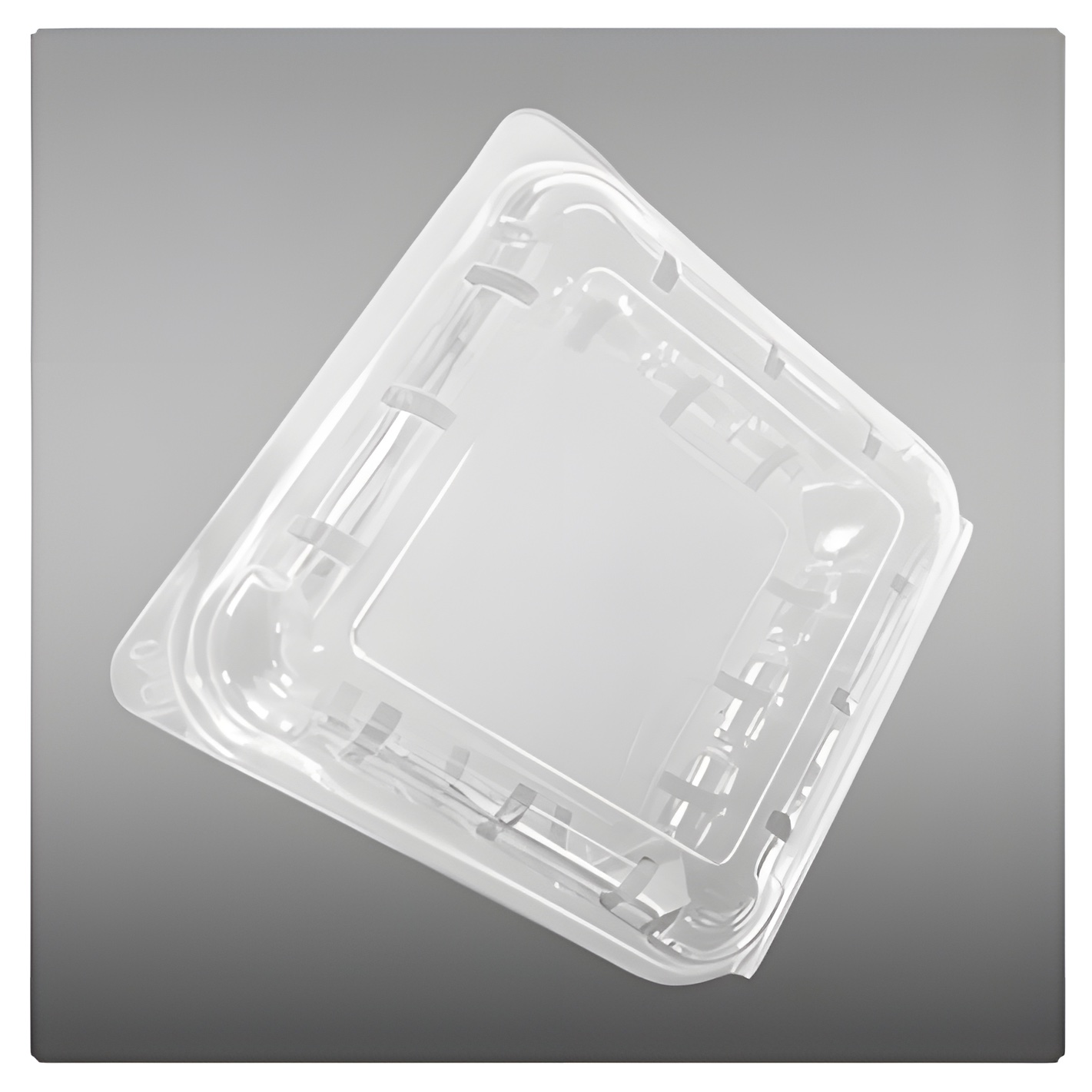
Polylactic Acid (PLA) is a biopolymer that has revolutionized the sustainable packaging industry. Derived from fermented plant starch (typically corn or sugarcane), PLA offers a transparent, sturdy, and 100% biodegradable alternative to petroleum-based plastics like PET and Polystyrene. This guide details the material properties, environmental impact, and practical considerations of adopting PLA lunch boxes in food service operations.
What is PLA? Material Science and Origin
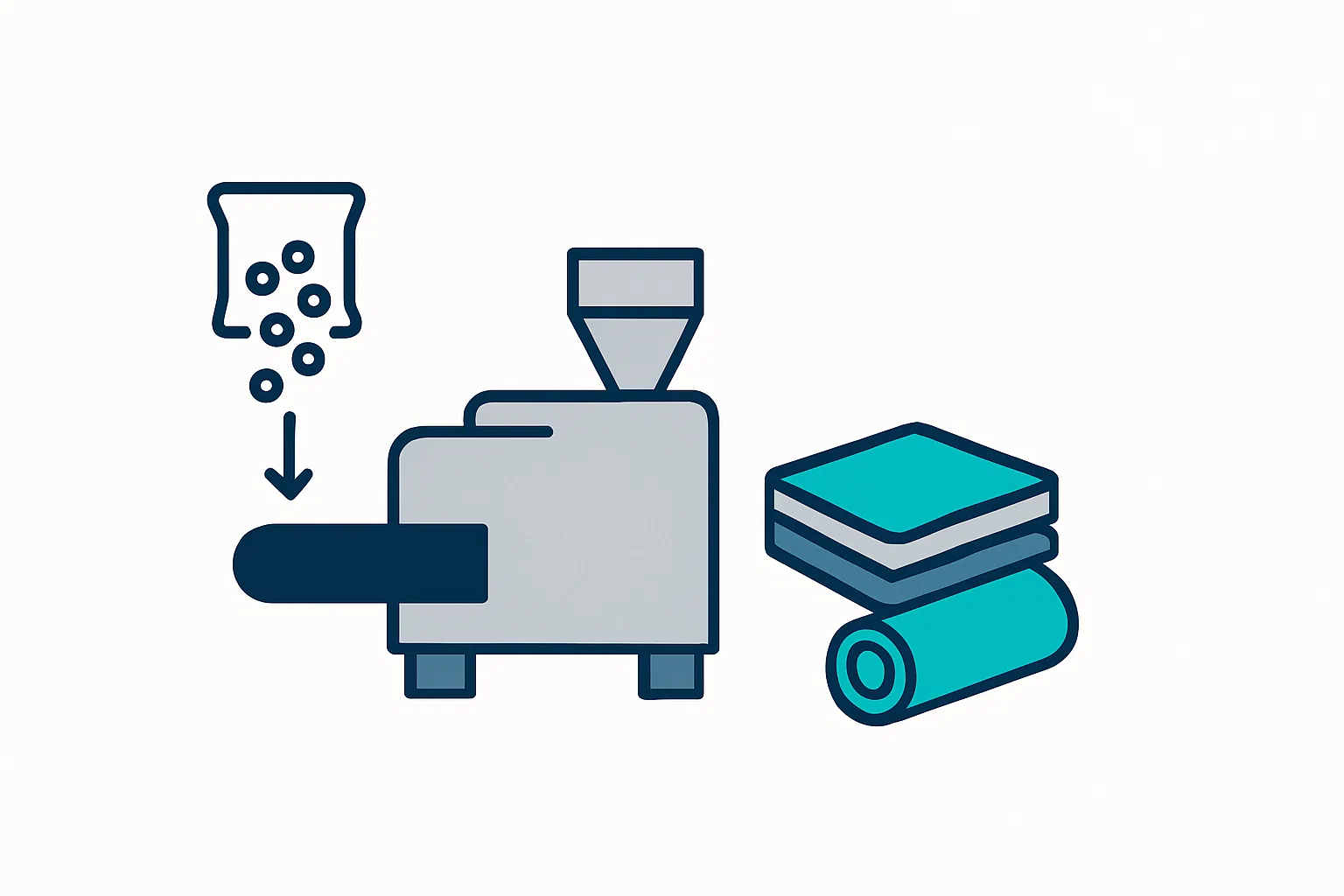
PLA is a thermoplastic aliphatic polyester. Unlike conventional plastics made from crude oil, PLA is synthesized from renewable biomass. The production process involves fermenting plant sugars into lactic acid, which is then polymerized. This process results in a material that maintains high clarity and structural rigidity, making it ideal for cold food containers, salad bowls, and deli packaging.
Key Benefits of PLA Packaging
1. Reduced Carbon Footprint
The manufacturing of PLA resin consumes significantly less energy than traditional plastics. Studies indicate that PLA production generates up to 60-80% fewer greenhouse gas emissions compared to oil-based polymers, supporting corporate sustainability goals and ESG compliance.
2. Verified Compostability
Under industrial composting conditions (controlled temperature and humidity), PLA lunch boxes break down into carbon dioxide, water, and biomass within 60 to 90 days. This cycle prevents long-term plastic pollution in landfills and oceans.
3. Food Safety and Biocompatibility
PLA is generally recognized as safe (GRAS) for food contact. It is naturally BPA-free and does not leach phthalates or other harmful endocrine disruptors into food products, ensuring consumer safety during consumption.
Technical Considerations: PLA vs. CPLA
A common technical limitation of standard PLA is its low glass transition temperature (Tg), typically around 45°C to 55°C (113°F to 131°F). This makes it unsuitable for high-heat applications like microwave use or boiling liquids.
To address this, manufacturers use CPLA (Crystallized Polylactic Acid) for hot food containers. By adding chalk as a catalyst and subjecting the material to high heat during processing, the resulting CPLA can withstand temperatures up to 85°C (185°F) while maintaining its biodegradable properties.
Composting Requirements: A Critical Note
It is essential for food service providers to understand that PLA is industrially compostable, not home compostable. To decompose efficiently, it requires the high heat (58°C+) and microbial activity found in municipal composting facilities. Clear disposal labeling is necessary to ensure these products are directed to the correct waste stream rather than contaminating traditional plastic recycling lines.
The Future of Eco-Friendly Packaging
The adoption of PLA biodegradable lunch boxes is a strategic move for businesses looking to eliminate single-use plastic waste. As biopolymer technology advances, we expect further improvements in heat resistance and barrier properties, making PLA the global standard for responsible food packaging. View our range of biodegradable tableware to learn more about integrating sustainable solutions into your supply chain.